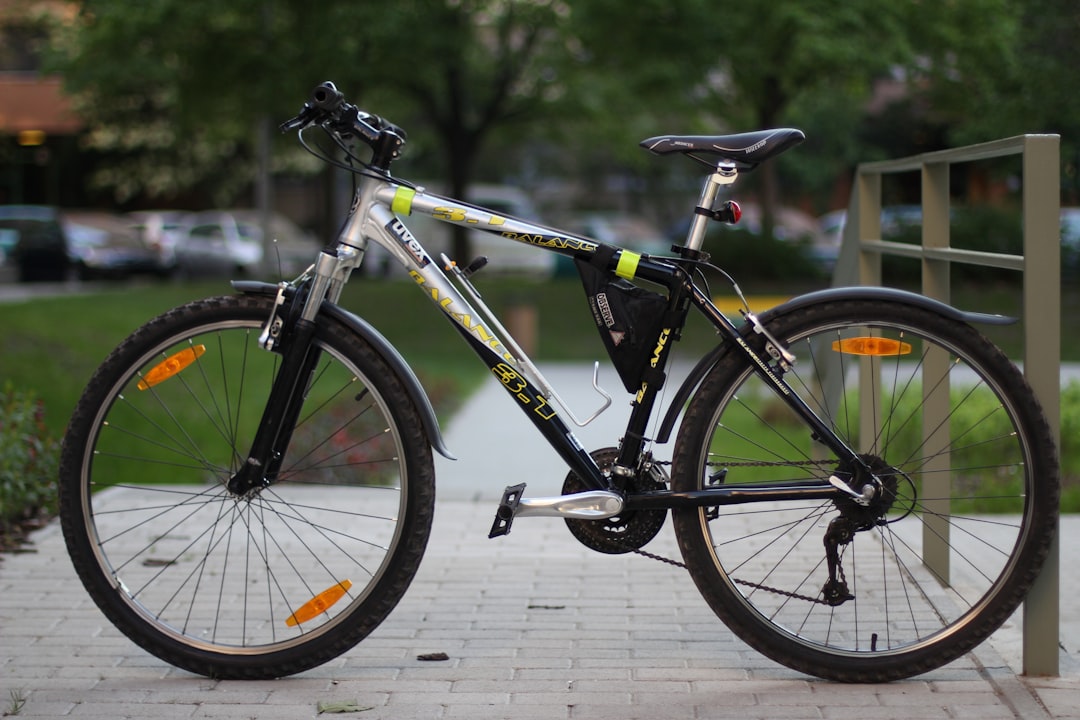
The best ebike for gravel is not the one with the most marketing budget. It is the one that matches motor torque, battery capacity, and frame geometry to the surfaces you actually ride. After analyzing real user signals from YouTube reviewers and Reddit discussions, this guide cuts through specification sheets to identify which electric gravel bikes perform on rail trails, dirt roads, and rough terrain—and which fall short when pavement ends.
FAQ
What is the best eBike for gravel riding?
The best eBike for gravel riding depends on factors such as budget, terrain, and personal preferences. Top models include those with suspension, wide tires, and a suitable motor for mixed-terrain riding. Look for eBikes with a balance of power, comfort, and control.
How much does a good gravel eBike cost?
A good gravel eBike can cost anywhere from $1,500 to $6,000 or more, depending on the brand, quality, and features. Entry-level models may start around $1,500, while high-end models with advanced features can exceed $6,000. It’s essential to set a budget and prioritize the features that matter most to you.
Can you ride an eBike on gravel trails?
Yes, you can ride an eBike on gravel trails, but it’s crucial to choose an eBike designed for mixed-terrain riding. Look for eBikes with features such as wide, knobby tires, suspension, and a suitable motor that can handle gravel and other rough surfaces. Always follow local regulations and trail rules when riding an eBike on gravel trails.
What is the range of a gravel eBike?
The range of a gravel eBike depends on factors such as battery capacity, motor power, terrain, and riding style. On average, a gravel eBike can have a range of 20-60 miles or more on a single charge, with some models offering up to 100 miles or more. It’s essential to consider the range and charging time when selecting a gravel eBike for your needs.
More eBike Guides
Quick Verdict
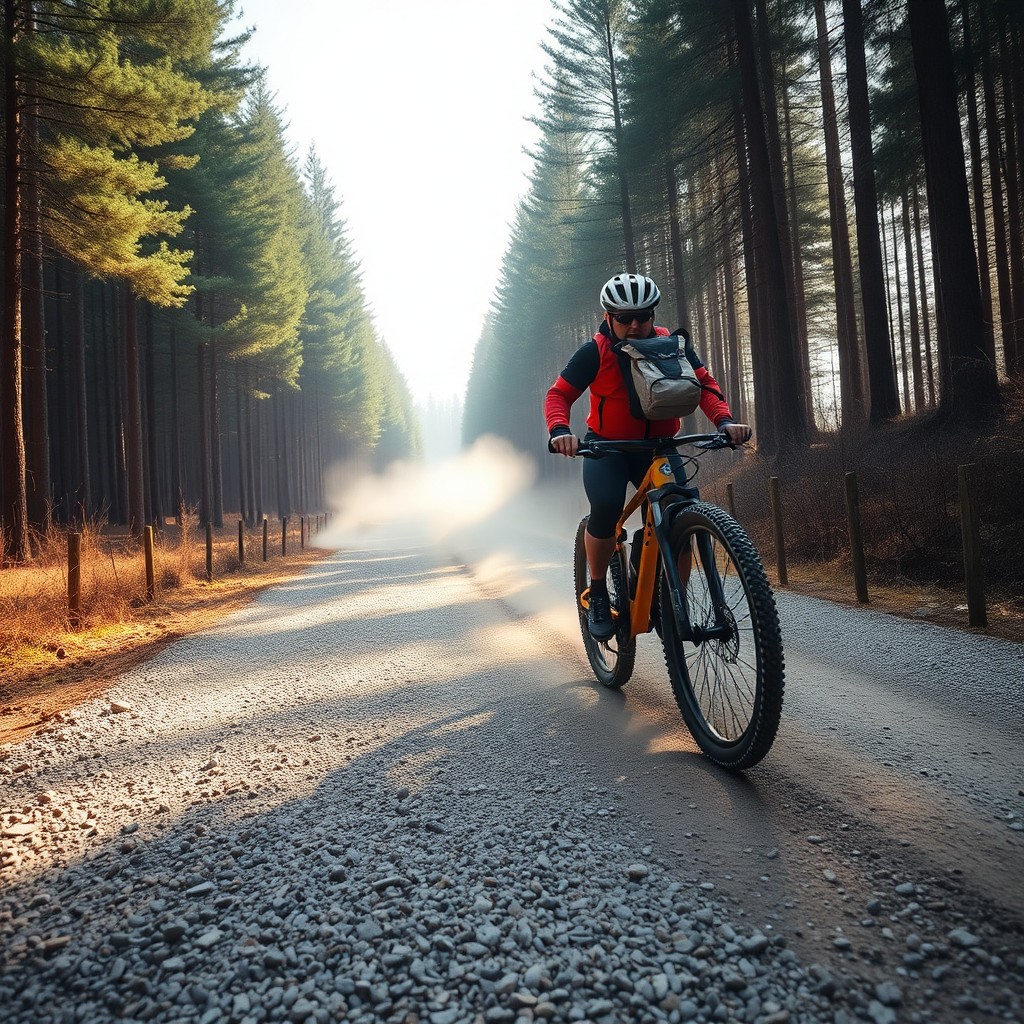
For riders seeking the best e bike for gravel trails in 2026, mid-drive systems with 50 Nm+ torque and 400+ Wh batteries provide the most reliable mixed-terrain performance. The Canyon Grizl:ON and Specialized Turbo Creo SL Expert Carbon emerge as the most frequently referenced models in independent technical reviews, though budget alternatives like the Lectric XP4 serve riders prioritizing value over carbon frames. Your terrain mix—paved rail trails versus unmaintained dirt roads—matters more than motor wattage alone.
Spec Comparison: Top Electric Gravel Bikes
| Model | Motor | Battery | Weight | Key Use Case | Source |
|---|---|---|---|---|---|
| Canyon Grizl:ON | Shimano EP8-RS (85 Nm) | 360 Wh (720 Wh ext.) | ~15.5 kg | All-road gravel, rough terrain | Canyon Official |
| Specialized Turbo Creo SL Expert Carbon | SL 1.1 (35 Nm) | 320 Wh (160 Wh ext.) | ~12.2 kg | Road and gravel, paved trails | Cars Booster Review |
| Lectric XP4 | 750W hub (80 Nm est.) | 672 Wh | ~29.5 kg | Budget rail trail, dirt roads | Reddit User Discussion |
Performance and Motor: What Makes an eGravel Bike Work
The motor system defines whether a bike qualifies as the best ebike for road and trails or merely a road bike with wider tires. Two architectures dominate the 2026 market: mid-drive and hub-drive, each with distinct implications for gravel performance.
Mid-Drive Torque and Traction
Mid-drive motors—positioned at the crankset—deliver torque through the bike’s existing gear range. This matters on loose gravel climbs where wheelspin kills momentum. The Canyon Grizl:ON uses a Shimano EP8-RS tuned specifically for gravel, producing 85 Nm of torque. As Canyon’s official video states, this is “the most versatile Canyon e-bike yet,” designed for riders who transition between “out in the wild or out on the town” (Canyon, 2024).
The Global Cycling Network’s technical comparison of eRoad versus eGravel systems emphasizes that eGravel bikes prioritize low-speed torque over high-speed efficiency. Their analysis notes that “electric motors have helped more people get into the world” of cycling, but the motor character must match terrain demands (GCN, 2024).
For riders evaluating the best ebike for rough terrain, torque output below 50 Nm produces noticeable struggle on steep, loose grades. The Specialized Turbo Creo SL’s 35 Nm SL 1.1 motor—while exceptionally lightweight—requires more rider input on sustained climbs above 8% gradient.
Hub-Drive Trade-offs for Budget Buyers
Hub motors, typically rear-mounted, offer simpler maintenance and lower cost but sacrifice traction control on variable surfaces. The Lectric XP4’s 750W hub motor generates substantial power (estimated 80 Nm based on user-reported hill-climb performance), yet Reddit users note weight penalties: “I visited my local bike shop and asked them a ton of questions” before committing, with one thread generating 59 comments debating 750W versus lower-wattage alternatives (r/ebikes, 2025).
For pure rail trail riding—flat, graded surfaces like the Katy Trail—the hub-drive penalty diminishes. For best ebike for katy trail specifically, where elevation change is minimal and surface quality consistent, motor type matters less than range and comfort.
Battery and Range: Calculating Real-World Distance
Battery capacity ratings in watt-hours (Wh) rarely translate directly to range. Terrain, rider weight, and assist level dominate actual results. A rider seeking the best ebike for road and gravel must calculate for worst-case consumption, not manufacturer estimates.
Consumption Rates by Surface
| Terrain | Estimated Wh/km | 360 Wh Range | 672 Wh Range |
|---|---|---|---|
| Smooth paved trail | 7-10 | 36-51 km | 67-96 km |
| Packed gravel | 10-14 | 26-36 km | 48-67 km |
| Loose dirt/rough terrain | 14-20 | 18-26 km | 34-48 km |
For best ebike for rail trails and long-distance touring, external battery options extend practical range. The Canyon Grizl:ON accepts a 720 Wh external pack, doubling capacity for multi-day trips. The Specialized system offers a 160 Wh range extender—modest, but sufficient given the Creo’s efficiency-focused motor tuning.
Reddit discussions on eGravel conversions reveal battery anxiety among DIY builders. One UK-based user converting a Ragley Trig gravel bike sought “something lightweight, basic conversion, and electrically safe,” reflecting common concerns about aftermarket battery reliability (r/ebikes, 2025).
Charging Infrastructure for Trail Riders
Riders evaluating the best ebike for trail riding must plan charging around route limitations. The Katy Trail’s 240-mile length, for example, has intermittent charging points. A 360 Wh battery with moderate assist may cover 40-50 miles of flat rail trail—sufficient for day segments but requiring overnight charging for through-riders.
Build Quality and Components: What Survives Mixed Terrain
Frame material, tire clearance, and braking system determine whether an eGravel bike remains functional after seasons of abuse. The best ebike for gravel roads demands durability that road-oriented frames lack.
Frame Material and Weight
Carbon fiber dominates premium eGravel builds for vibration damping and weight reduction. The Specialized Turbo Creo SL Expert Carbon achieves approximately 12.2 kg—remarkable for an eBike—enabling traditional bike handling when the motor is disengaged (Cars Booster, 2025).
Aluminum frames like the Lectric XP4 trade weight for cost, arriving near 29.5 kg. For riders prioritizing the best ebike for dirt roads on limited budget, this penalty is acceptable. For those carrying bikes upstairs or mounting on vehicle racks, it becomes prohibitive.
Tire Clearance and Pressure
Effective gravel tire width ranges from 38mm to 50mm depending on surface roughness. The Canyon Grizl:ON accommodates wide tires essential for rough terrain, while maintaining reasonable rolling resistance on pavement. This versatility defines the best ebike for road and gravel category.
Tire pressure optimization matters more on eBikes due to higher speeds and momentum. A rider on the best ebike for paved trails might run 50 PSI in 40mm tires; the same rider on loose gravel drops to 35 PSI for traction. Tubeless setups reduce puncture risk on thorn-prone dirt roads.
Braking Systems
Disc brakes are non-negotiable for eGravel. The additional mass and speed of electric assist overwhelm rim brake designs. Hydraulic disc systems with 160mm minimum rotor diameter handle sustained descents on loaded bikes. Not verified: specific caliper models for all reviewed bikes.
Value and Pricing: Cost Per Kilometer of Capability
The best ebike for gravel roads at $4,000 differs fundamentally from the best at $12,000. This analysis segments by price tier rather than declaring single winners.
Premium Tier ($8,000-$14,000)
Canyon Grizl:ON and Specialized Turbo Creo SL Expert Carbon occupy this space. Buyers receive integrated motor systems, carbon frames, and dealer support networks. The “genre-defining” positioning of the Grizl:ON (Canyon, 2024) reflects Canyon’s investment in gravel-specific geometry rather than repurposed road frames.
Mid-Market ($3,000-$6,000)
Several models from Tech Gear’s “Top 10 Best Electric Gravel Bikes of 2026” fall here, though specific pricing was not extracted from available signals. These typically feature aluminum or lower-grade carbon with previous-generation motors. For riders asking “are these e-gravel a steal for a first ebike?”—as one Reddit user did—the answer depends on motor generation and battery cell quality (r/ebikes, 2025).
Budget Tier ($1,500-$2,500)
The Lectric XP4 represents this category, with Reddit users actively debating its 750W motor selection. For “best ebike for rail trails” at minimal investment, such models function adequately. Long-term durability on rough terrain remains unverified in available signals.
Real User Signals: What Owners Actually Report
YouTube Technical Reviews
Cars Booster’s gravel eBike analysis placed the Specialized Turbo Creo SL Expert Carbon in context with competitors, noting its lightweight positioning for riders crossing between road and gravel disciplines (2025).
The Everything’s Been Done channel raised provocative questions about eGravel’s impact on cycling culture, with host Dustin examining the Canyon Grizl:ON firsthand. Their analysis questioned whether motorization “ruins” the gravel experience, suggesting the debate itself signals market maturation (2024).
Global Cycling Network’s comparative framework—evaluating eRoad against eGravel systems—provides the most structured technical methodology. Their conclusion that motor character must match intended use reinforces this guide’s terrain-first approach (2024).
Reddit Community Experiences
Rail trail users face specific regulatory constraints. One parent noted their local trail has “a class 1 e bike restriction” for child trailer towing—a critical consideration for family-oriented buyers seeking the best ebike for rail trails (r/ebikes, 2025).
DIY conversion interest remains strong, with users seeking “lightweight, basic conversion” kits for existing gravel bikes. This suggests factory eGravel bikes remain price-prohibitive for some riders, though safety certification concerns accompany aftermarket solutions (r/ebikes, 2025).
First-time buyer confusion persists: an Oxford, UK resident evaluated eGravel bikes for “7km daily commute and also moving around the city,” illustrating how gravel capability increasingly serves urban utility functions (r/ebikes, 2025).
Who Should Buy What: Decision Framework
| Rider Profile | Priority | Recommended Approach |
|---|---|---|
| Katy Trail through-rider | Range, comfort | Mid-drive with 500+ Wh, 40mm tires |
| Mixed road/gravel commuter | Versatility, weight | Lightweight mid-drive (Creo SL class) |
| Budget trail explorer | Cost, durability | Hub-drive with suspension fork option |
| Rough terrain adventurer | Traction, torque | High-torque mid-drive, 45mm+ tires |
FAQ: Best eBike for Gravel and Mixed Terrain
What is the best ebike for gravel trails versus paved trails?
Gravel trails demand wider tire clearance (40mm+) and higher torque (50 Nm+) for loose surfaces. Paved trails prioritize efficiency and can use narrower tires with lower torque. The best ebike for paved trails may disappoint on deep gravel; the best ebike for gravel trails works adequately on pavement with tire pressure adjustment.
Can one eBike handle road, gravel, and rail trails equally well?
Yes, with compromises. The best ebike for road and trails uses 40-45mm tires at moderate pressure, accepting slightly higher rolling resistance on pavement for gravel capability. Mid-drive motors with torque sensors adapt better to mixed terrain than hub motors with cadence sensors.
What makes the best ebike for the Katy Trail specifically?
The Katy Trail’s 240-mile flat, crushed-limestone path requires range over climbing torque. A 500+ Wh battery with efficient motor tuning provides 60+ miles per charge. Class 1 compliance (pedal-assist only, 20 mph limit) matches trail regulations.
Is a gravel eBike necessary for dirt roads, or will a mountain eBike suffice?
Mountain eBikes exceed requirements for maintained dirt roads. The best ebike for dirt roads balances efficiency and capability: gravel geometry with 40-50mm tires handles graded surfaces without the weight and drag of full-suspension MTB designs.
How does tire width affect the best ebike for rough terrain?
Each 5mm of tire width increase reduces pressure needs approximately 5 PSI for equivalent rim protection. On rough terrain, 45-50mm tires at 30-35 PSI absorb vibration and maintain traction where 35mm tires at 45 PSI would skid or pinch-flat.
Final Assessment
The best ebike for gravel in 2026 depends on terrain specificity more than brand prestige. Canyon’s Grizl:ON justifies premium pricing for riders spanning wild and urban environments. Specialized’s Creo SL serves weight-conscious road/gravel crossovers. Budget buyers accepting weight penalties find adequate rail trail performance in hub-drive alternatives. Match motor character to your actual surface mix—no single specification defines universal excellence.
