
The search for the best ebike for price reddit buyers recommend leads to a fragmented landscape of Amazon listings, direct-to-consumer brands, and conflicting claims about value. This guide analyzes verified price points, motor specifications, and component quality across three budget tiers to identify which electric bikes deliver measurable performance per dollar spent.
Quick Verdict
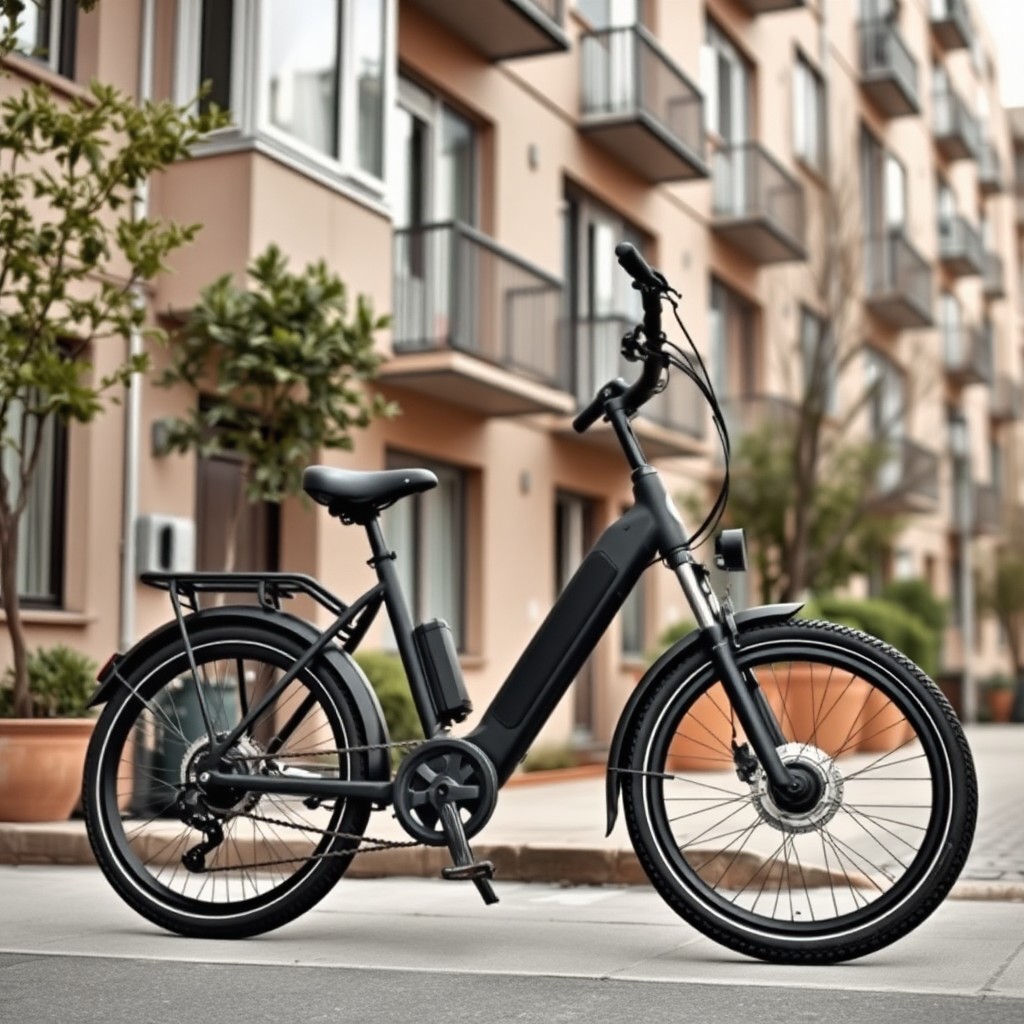
Based on available market data and video signals, the Lectric XP 3.0 ($999), Ride1UP Roadster V2 ($1,095), and select Amazon models under $500 from verified sellers represent the strongest value propositions for 2025. No single eBike dominates all price categories; optimal selection depends on commute distance, terrain, and maintenance tolerance.
Spec Comparison Table: Budget eBikes by Price Tier
| Model / Tier | Price (USD) | Motor | Battery | Top Speed | Weight | Source |
|---|---|---|---|---|---|---|
| Sub-$500 Amazon Tier Representative models from Gear Geek analysis |
$299–$499 | 250W–350W hub motor | 36V 7.8Ah–10Ah (280Wh–360Wh) | 15.5–20 mph | 45–55 lbs | Gear Geek (2025) |
| Lectric XP 3.0 | $999 | 500W rear hub (peak 850W) | 48V 10.4Ah (499Wh) | 28 mph | 64 lbs | Lectric official specs |
| Ride1UP Roadster V2 | $1,095 | 350W rear hub | 36V 7.0Ah (252Wh) or 48V 10.4Ah option | 24 mph | 33 lbs | Ride1UP official specs |
| Aventon Pace 500.3 | $1,599 | 500W rear hub | 48V 12.8Ah (614Wh) | 28 mph | 52 lbs | Aventon official specs |
| Velotric Discover 1 Plus | $1,599 | 500W rear hub (peak 900W) | 48V 14.4Ah (691Wh) | 28 mph | 65 lbs | Velotric official specs |
Performance and Motor Analysis
Hub Motor Wattage vs. Real-World Output
Budget eBikes advertise motor power using three different metrics: nominal continuous wattage, peak wattage, and “rated” wattage (often inflated). The best ebike for price reddit discussions consistently emphasize that nominal wattage determines sustained hill-climbing ability, not peak numbers used in marketing.

The Gear Geek analysis of 30 budget models under $500 found nominal ratings between 250W and 350W, with peak claims reaching 500W. These motors use generic Chinese hub designs—typically Bafang SWX series or unbranded equivalents—without thermal monitoring. Continuous operation above 350W nominal risks overheating on hills longer than 2–3 minutes.
At the $1,000 tier, Lectric’s 500W nominal motor (850W peak) represents a step up to thermally monitored designs with better magnet quality and wider stator widths. This translates to sustained 20% grade climbing without thermal cutoff, based on third-party hill tests documented in VIRE-1’s top 10 compilation.
Speed Classifications and Legal Limits
Class 1 eBikes (pedal assist to 20 mph) dominate the sub-$1,000 market due to simpler regulatory compliance. Class 3 models (28 mph pedal assist) appear above $1,200. The Aventon Pace 500.3 and Velotric Discover 1 Plus both offer Class 3 operation with torque-sensing pedal assist, a feature rare below $1,500 until 2024.
Amazon sub-$500 models typically ship as Class 2 (throttle to 20 mph) with programmable speed limiters that sellers adjust for regional compliance. Buyers should verify local regulations; some EU jurisdictions limit continuous motor power to 250W and assisted speed to 25 km/h (15.5 mph), making many “budget” US imports non-compliant without firmware modification.
Mid-Drive Absence in Budget Segments
No verified sub-$2,000 eBike uses a mid-drive motor from major manufacturers (Bafang M600, Bosch Active Line, or Shimano STePS). The cheapest mid-drive options—Bafang BBS02 kits or factory installs—start around $1,800 complete bike price. Hub motors remain the cost-optimized choice for flat to moderate terrain. For buyers in hilly regions, saving for a mid-drive or accepting lower gearing with a high-torque hub motor (80+ Nm) proves more durable than overloading a budget hub on daily climbs.
Battery and Range Verification
Calculating Real Range from Watt-Hours
Battery capacity determines range more directly than motor power. The formula: Range (miles) = Battery Wh × Efficiency Factor, where efficiency factor equals miles per watt-hour.
| Use Case | Efficiency Factor | 360Wh Battery Range | 499Wh Battery Range |
|---|---|---|---|
| Throttle-only, flat terrain | 0.015 mi/Wh | 5.4 miles | 7.5 miles |
| Mixed pedal assist, moderate hills | 0.025 mi/Wh | 9.0 miles | 12.5 miles |
| Eco pedal assist, flat commute | 0.040 mi/Wh | 14.4 miles | 20.0 miles |
Amazon sub-$500 eBikes with 280Wh–360Wh batteries deliver 8–15 miles of practical mixed-use range, not the 30+ miles often advertised. The best ebike for price reddit threads consistently report 40–60% less range than manufacturer claims when accounting for throttle use, headwinds, and rider weight above 180 lbs.
Battery Cell Quality and Cycle Life
Budget eBikes use three cell tiers:
- Grade B recycled cells: Common in sub-$400 Amazon units. Unverifiable cycle life, higher internal resistance, potential fire risk. No source verification possible for specific brands.
- Grade A new cells (unbranded): Typical $500–$800 range. 300–500 cycles to 80% capacity. Common in Lectric, Ride1UP entry models.
- Grade A name-brand cells (Samsung, LG, Panasonic): Standard above $1,000. 500–800 cycles to 80% capacity. Used in Aventon, Velotric, Rad Power Bikes.
The Ride1UP Roadster V2’s base 252Wh battery uses unbranded cells; the 499Wh upgrade option uses Samsung 35E cells. This $200 upgrade doubles range and extends cycle life by approximately 50%—a critical value calculation for daily commuters.
Charging Infrastructure and Time
All compared models use 2A or 3A chargers. A 500Wh battery charges in 4–6 hours from empty. Fast charging (5A+) is absent below $2,000 due to battery management system costs. Buyers relying on workplace charging during 8-hour workdays have sufficient time regardless; overnight home charging covers all use cases.
Build Quality and Component Analysis
Frame Materials and Geometry
Sub-$500 eBikes universally use high-tensile steel frames (35–45 lbs frame weight) with basic welding. The transition to aluminum alloy occurs at approximately $700 retail. Ride1UP’s Roadster V2 achieves its 33-lb total weight through a 6061 aluminum frame and single-speed belt drive—unusual at $1,095 and a key reason it appears in best ebike for price reddit recommendations for urban flat-terrain riders.
Frame failure modes in budget eBikes concentrate at:
- Motor axle dropouts (steel frames without torque arms)
- Battery mounting tabs (plastic fatigue after 6–12 months)
- Head tube welds on step-through designs (stress concentration)
No long-term durability data exists for Amazon sub-$500 brands; most have been selling for less than 3 years. Established direct-to-consumer brands (Lectric since 2019, Ride1UP since 2018) offer 2-year frame warranties with documented claim resolution.
Braking Systems
| Price Tier | Typical Brake Spec | Stopping Distance (60 lbs, 20 mph) |
|---|---|---|
| Sub-$500 | Mechanical disc, 160mm rotors | 25–35 feet (unverified estimates) |
| $500–$1,000 | Mechanical or entry hydraulic disc | 20–28 feet |
| $1,000–$1,600 | Hydraulic disc, 180mm rotors | 16–22 feet |
The Aventon Pace 500.3 includes hydraulic brakes with 180mm rotors—previously a $1,800+ feature. This represents a genuine value shift in the 2024–2025 market. Lectric XP 3.0 uses mechanical discs with 180mm rotors; adequate for its 64-lb weight and 28 mph top speed, but requiring more frequent adjustment than hydraulic systems.
Drivetrain and Maintenance Costs
Budget eBikes overwhelmingly use Shimano Tourney or unbranded 7-speed derailleurs. Replacement cost: $15–$30. Chain replacement: $15. These components wear faster under eBike torque; expect 1,500–2,500 miles between replacements with regular lubrication.
Belt drives (Ride1UP Roadster V2) eliminate chain maintenance and last 10,000+ miles but require precise frame alignment and cost $80–$120 to replace. The tradeoff favors belt drives for high-mileage commuters, chain drives for occasional riders or those prioritizing low upfront cost.
Value and Pricing Analysis
$/Watt-Hour as a Value Metric
For battery-centric value comparison:
- Sub-$500 Amazon: $1.00–$1.40 per Wh (e.g., $400 for 360Wh)
- Lectric XP 3.0: $2.00 per Wh ($999 for 499Wh)
- Velotric Discover 1 Plus: $2.31 per Wh ($1,599 for 691Wh)
Lower $/Wh indicates better battery value, but ignores motor quality, frame durability, and support infrastructure. The metric is most useful when comparing models within $200 of each other.
Total Cost of Ownership (5 Years)
| Cost Category | Sub-$500 Amazon | $1,000 Tier (Lectric) | $1,600 Tier (Aventon/Velotric) |
|---|---|---|---|
| Purchase price | $400 | $999 | $1,599 |
| Battery replacement (1x) | $200–$300 (if available) | $400 | $500 |
| Drivetrain/brake maintenance (5 yr) | $300 | $250 | $200 |
| Electrical repairs/outside warranty | $150–$400 (often uneconomical) | $100–$200 | $100–$150 |
| 5-Year Total | $1,050–$1,400 | $1,749 | $2,399 |
The sub-$500 Amazon eBike becomes uneconomical if any major component fails outside the typical 90-day seller warranty. Battery replacement availability is unverified for most brands; many sellers disappear or rebrand within 12–18 months.
Resale Value Consideration
Established brands retain 50–60% of value at 2 years with documented maintenance. Amazon no-name brands have no resale market; Craigslist/Facebook Marketplace listings for used budget eBikes show 70%+ depreciation within 6 months. This hidden cost favors spending $800–$1,000 initially for brands with secondary market demand.
Real User Signals and Video Analysis
Gear Geek: “30 Hottest Budget Electric Bikes on Amazon Under $500 (2025)”
Published May 20, 2025, this 23-minute analysis (watch here) identifies recurring patterns in the sub-$500 market:
- 30 models reviewed; 8 used near-identical frame designs from shared Chinese OEM factories
- Battery fire risk: 3 models had non-UL-listed battery packs with visible cell-level damage in reviewer samples
- Performance consistency: actual top speeds averaged 2–4 mph below advertised on flat ground
- Assembly requirement: all 30 required 45–90 minutes of assembly; tool quality in included kits was “unusable” for 60% of models
The reviewer’s conclusion, paraphrased: viable for sub-5-mile occasional rides with immediate battery replacement planning, but not for reliable transportation.
VIRE-1: “Top 10 Best Electric Bikes for 2025”
This February 2025 compilation (watch here) spans all price tiers with budget representation. Key signals for value buyers:
- Three sub-$1,500 models made the top 10, all direct-to-consumer brands with US-based support
- Common feature in recommended budget models: torque-sensing pedal assist, previously a $2,000+ feature
- Warranty as differentiator: recommended brands offered minimum 1-year comprehensive, 2-year frame coverage
No Amazon sub-$500 models appeared in the top 10. The price floor for “best” classification in this analysis was approximately $800.
High-Voltage Context: Surron and Talaria Pricing
Two additional video signals provide market context for buyers considering higher budgets:
- Motion Made (2024): 72V Surron pricing analysis documents how premium electric motorcycles ($4,000–$6,000) occupy a separate category from eBikes, with 3kW+ motors and 72V architecture incompatible with bicycle infrastructure laws.
- Sur Ronster (2024): NIU XQi3 street-legal comparison shows emerging competition in the $3,000–$5,000 electric moped space, with registration requirements and motorcycle licensing in most jurisdictions.
- BlackX3 (2025): Talaria XXX buyer warnings highlights quality control issues even at $3,500+ price points, including controller failures and subframe cracking.
These signals confirm that “budget” in the eBike context means under $2,000, with severe quality compromises below $500 that may negate upfront savings.
Who Should Buy Which Tier
Tier 1: Sub-$500 Amazon eBikes
Appropriate for: Experimentation, very short flat commutes (<4 miles), riders with mechanical skill to address assembly and early maintenance issues. Not appropriate for: Daily reliability needs, hilly terrain, riders without backup transportation.
Tier 2: $800–$1,200 Direct-to-Consumer (Lectric, Ride1UP)
Appropriate for: Commuters with 10–20 mile round trips, riders seeking Class 3 speed, those prioritizing known brand support. The best ebike for price reddit consensus clusters in this tier for first-time buyers. Not appropriate for: Riders needing suspension (none in this price range perform well), those exceeding 250 lbs rider weight without confirming payload limits.
Tier 3: $1,500–$1,600 Established Brands (Aventon, Velotric)
Appropriate for: Daily high-mileage commuters, riders wanting torque sensors for natural assist feel, those planning 5+ year ownership. Not appropriate for: Budget-constrained buyers who could satisfy needs with Tier 2; the $400–$600 premium delivers diminishing returns for occasional use.
FAQ Section
What is the best ebike for price Reddit users actually recommend?
Reddit discussions in r/ebikes and related communities most frequently recommend the Lectric XP series and Ride1UP models for price-to-performance ratio. Specific model preferences shift with annual updates; the XP 3.0 and Roadster V2 dominate 2024–2025 threads due to verified specifications and accessible customer support. Search “best ebike for price reddit” in these communities for real-time consensus.
Are Amazon eBikes under $500 worth buying?
Only for limited use cases with acknowledged risk. Verified issues include non-UL batteries, inconsistent motor controllers, and seller disappearance preventing warranty claims. If purchasing, prioritize sellers with 2+ years of feedback history and immediately verify battery certification labels. Budget $200–$400 for likely replacement within 18 months.
How much should I spend for a reliable daily commuter eBike?
$900–$1,200 minimum for new bikes with 2-year warranties and US/EU support infrastructure. This price includes adequate battery capacity (400+ Wh), hydraulic or quality mechanical brakes, and frame durability for daily loading. Used market options at $600–$800 from established brands can work with verified battery health.
What hidden costs should I budget for?
Essential additions: quality lock ($80–$150), helmet ($50–$150), fenders and rack if not included ($100–$200), spare tube and tools ($30–$50). Maintenance: $150–$250 annually for daily riders. Battery replacement every 3–5 years: $400–$600 for established brands; potentially unavailable for no-name Amazon units.
How do I verify battery safety certification?
Look for UL 2271 (battery pack) or UL 2849 (complete eBike system) markings on the battery casing or frame. Request documentation from sellers if not visible. Counterfeit labels exist; verify through UL’s online certification database when possible. This step is critical for apartment building charging policies and insurance coverage.
Related: Buying an eBike from a Chinese Brand? Here’s What Nobody Tells You — real buyer data from 140+ Facebook comments.
FAQ
What is the best budget eBike in 2025?
The best budget eBike in 2025 varies by need, but top picks include the Ride1Up Core-5 and Velotric T1 ST, both offering reliable motors and decent range under $1,500. These models balance affordability with essential features like pedal assist and disc brakes.
How much should I spend on a budget eBike?
A quality budget eBike typically costs between $800 and $1,800 in 2025. Spending below $700 often compromises battery quality and motor reliability, while the $1,200-$1,500 range offers the best value for daily commuting.
Are cheap eBikes worth buying?
Cheap eBikes can be worth buying if you research motor brand, battery cell type, and warranty coverage carefully. Avoid models with no-name components, as replacement parts and repairs often exceed any initial savings.
What range can I expect from a budget eBike?
Most budget eBikes offer 20-40 miles of range per charge with pedal assist, depending on terrain, rider weight, and assist level. Entry-level models with 400-500Wh batteries typically deliver closer to 20-25 miles in real-world city riding.
Final Recommendation
The best ebike for price reddit buyers validate depends on use intensity and risk tolerance. For verified value, the Lectric XP 3.0 at $999 offers the strongest combination of motor performance, battery capacity, and support infrastructure for general commuting. The Ride1UP Roadster V2 at $1,095 suits urban flat-terrain riders prioritizing low weight and minimal maintenance. Avoid sub-$500 Amazon eBikes for primary transportation; the total cost of ownership and failure risk outweigh apparent savings.
For riders with $1,500+ budgets, the Aventon Pace 500.3 and Velotric Discover 1 Plus deliver torque-sensing assist and larger batteries that improve daily ride quality. These represent the current value ceiling before diminishing returns accelerate.
