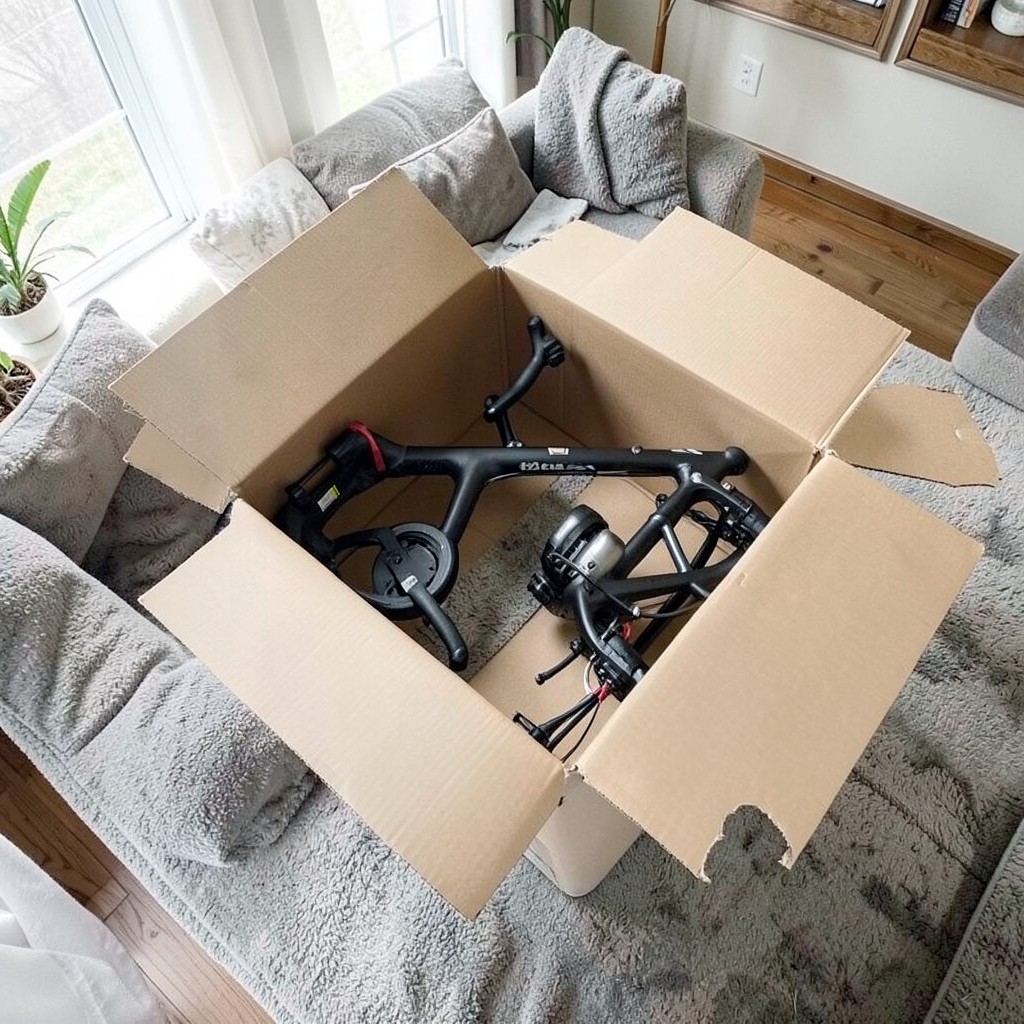
Chinese eBike brands have flooded the market with sub-$1,500 electric bikes that look impressive on paper. 80 km range, 25 km/h top speed, hydraulic brakes, Shimano gears — the spec sheets read like bikes twice the price. But what happens after you click “Buy Now”?
We analyzed 140+ real buyer comments from Facebook brand pages, cross-referenced with Reddit threads from r/ebikes and r/ElectricBikes, and watched dozens of long-term YouTube reviews to find out. The pattern is clear: the bike is usually fine. The experience around it is where things fall apart.
This guide is not about bashing Chinese brands — many deliver genuine value. It’s about the 5 risks nobody talks about before purchase, and the exact checklist to protect yourself.
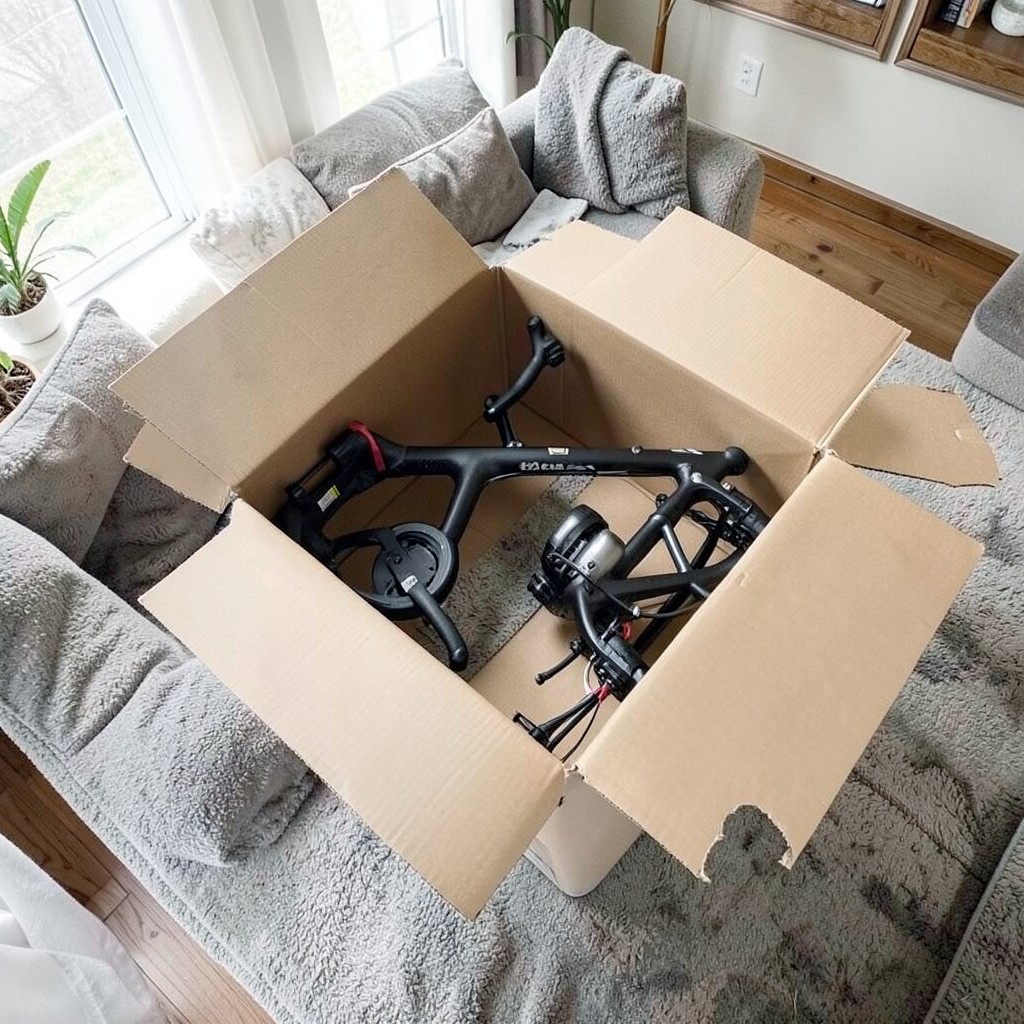
The 5 Real Risks of Buying a Chinese eBike Online
1. After-Sales Service Is Essentially Non-Existent
This is the #1 complaint across every Chinese eBike brand’s Facebook page and Reddit thread. The pattern repeats with painful consistency:
- Buyer purchases bike, it develops a fault within weeks
- Buyer emails support — no reply for days or weeks
- After multiple emails, brand offers a partial refund or asks buyer to repair it themselves
- Return shipping goes to China or Poland — buyer pays €50-150 out of pocket
- Resolution takes 4-7 months
One buyer on a popular folding eBike brand’s Facebook page described paying €1,055 for a bike that stopped working after 10 km. After seven months of daily emails, they received €950 back — a €150 net loss, plus the cost of return shipping to Poland. Their verdict: “The worst buying experience of my life.”
This isn’t isolated. On Reddit, the thread “Bike shop can’t repair any Chinese brand e-bikes” (170+ comments) highlights a compounding problem: local bike shops often refuse to service Chinese eBikes because they can’t source proprietary parts. You’re stuck between a brand that won’t respond and a local shop that can’t help.
What to check before buying:
- Does the brand have a local warehouse in your country (not just “ships to Europe”)?
- Is there a phone number with business hours, or only email?
- Search “[brand name] warranty” on Reddit — what do real buyers say?
- Does the brand have an EU/US authorized repair network?
2. Battery Range Claims Are Wildly Inflated
Every eBike brand tests range under ideal conditions: flat road, 60 kg rider, lowest assist level, no wind, 15°C temperature. Real-world riding is nothing like this.
YouTube reviewer BikeRide tested a popular Chinese folding eBike and found the real range was 40-50% of the advertised figure. One Facebook commenter reported getting 11 km from a battery rated at “80 km” — that’s 14% of the claim.
The discrepancy comes from several factors brands don’t disclose:
| Factor | Brand Test | Real World |
|---|---|---|
| Terrain | Perfectly flat | Hills, headwinds, stops |
| Assist Level | Level 1 (minimum) | Level 3-5 (most riders) |
| Rider Weight | 60 kg | 75-100 kg |
| Temperature | 20°C lab | 5-35°C outdoors |
| Tire Pressure | Optimized | Often under-inflated |
| Speed | 15 km/h steady | 20-25 km/h with stops |
What to do: Take the advertised range and multiply by 0.5 to 0.6 for a realistic estimate. If you need 40 km of real range, buy a bike rated for at least 70 km.
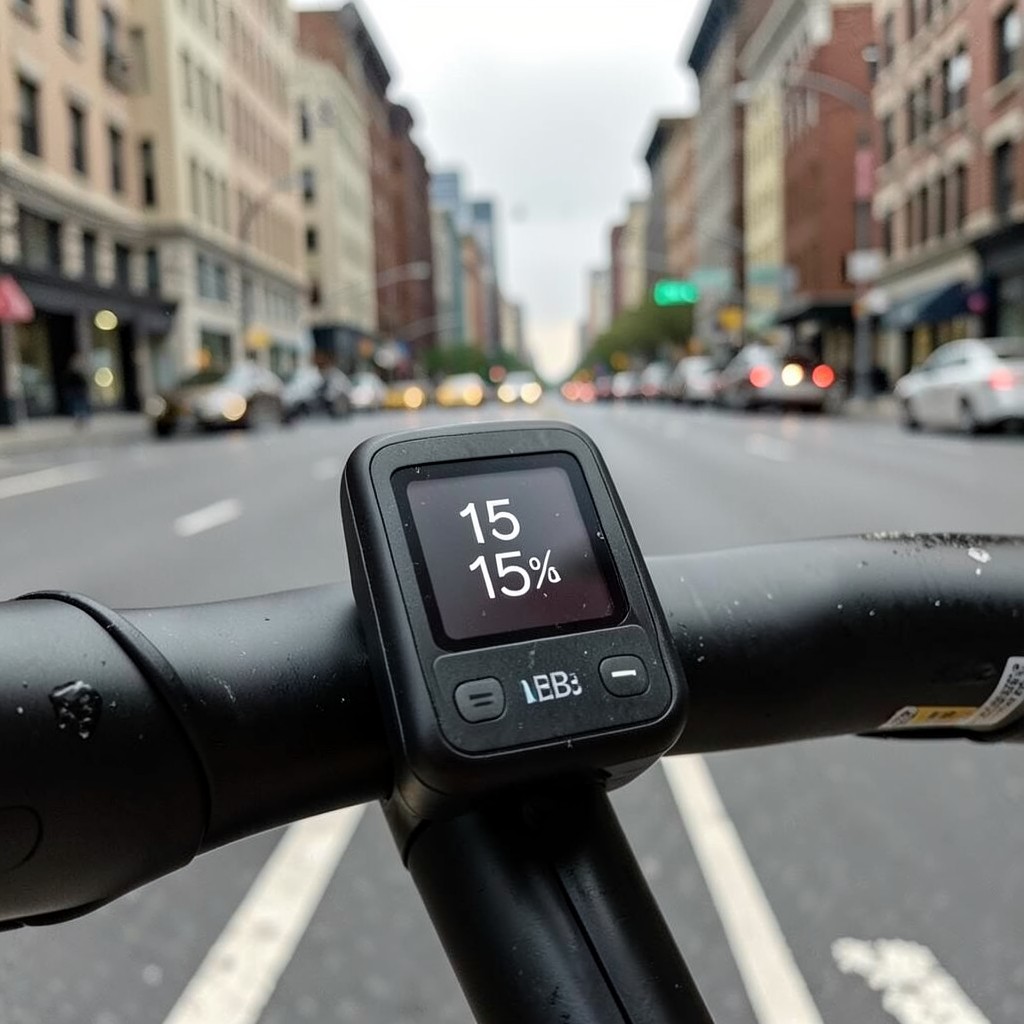
For a deep dive on real-world range testing, see our eBike distance and speed guide.
3. EU Speed Limits Create Confusion
In the European Union, eBikes are legally capped at 25 km/h with motor assistance. Above that speed, the motor cuts off. This is not a brand decision — it’s EU Regulation No 168/2013.
The problem: many Chinese brands advertise “35 km/h” or “45 km/h” top speeds on their product pages, then ship EU-compliant firmware that limits you to 25 km/h. Buyers feel cheated. On one brand’s Facebook page, a German buyer complained: “15 km/h Schluss — the app has no setting to change it.”
In Germany specifically, eBikes with a throttle (gas lever) require insurance and a license plate — something most buyers don’t realize until they get pulled over. As one commenter noted: “Mit dem Gas-Hebel braucht das Teil in D ein Versicherungskennzeichen.”
What to check:
- Is the bike EN 15194 certified? (Required for EU road legality)
- Does the listing specify EU-compliant firmware, or just raw speed?
- If you want faster speeds, you need a speed pedelec (45 km/h) — different category, requires registration
- See our eBike guides for country-specific regulations
4. Missing Parts and Accessory Nightmares
A recurring complaint: buyers order a bike with accessories (front rack, phone holder, mirrors), pay for them, and receive only part of the order. When they contact support — silence.
One buyer reported purchasing a city eBike with a front rack, phone holder, and mirrors. Only the mirrors arrived. Six emails to support went unanswered. The insurance company said “the package arrived partially — contact the seller.” The buyer was stuck.
This extends to replacement parts. Need brake pads for a specific model? A new display? A replacement motor? You’ll likely need to order from China, wait 3-6 weeks, and hope it’s the right part. YouTube reviewer Pilotgeek, after 1,200+ miles on a budget Chinese eBike, noted that parts availability was the biggest long-term concern.
What to do:
- Before buying, check if the brand sells spare parts on their website (not just bikes)
- Search “[brand] spare parts” or “[brand] replacement battery” — can you actually buy them?
- Prefer brands with standard components (Shimano derailleur, Tektro brakes) over proprietary systems
- Check if the battery is a standard form factor or brand-specific (brand-specific = locked in)
5. The “Too Good to Be True” Price Trap
A fully-specced eBike for €899 when European brands charge €2,500+? The price gap is real — but so are the trade-offs. As GCN Tech explored in “How Do You Know Which Chinese Brands You Can Trust?”, the savings come from:
- No local dealer network (you’re the test rider)
- Lower QC standards (higher defect rate, typically 3-5% vs <1% for established brands)
- Direct-to-consumer model (no dealer margin, but also no dealer support)
- Marketing via social media ads (flashy videos, no substance — 60+ Facebook comments asking “how much?” and “where to buy?” because the ads don’t even include pricing)
The Reddit thread “Is an electric bicycle from China reliable for long term use?” captures the consensus: Chinese eBikes can be excellent value, but only if you go in with realistic expectations and do your homework.
The Pre-Purchase Checklist: 10 Questions to Ask
| # | Question | Why It Matters |
|---|---|---|
| 1 | Where is the nearest service center? | If it’s in China, you’re on your own |
| 2 | What’s the warranty claim process? | Look for brands with local returns, not “ship to China” |
| 3 | Can I buy spare parts separately? | Battery, brake pads, display — will they exist in 2 years? |
| 4 | What’s the realistic range? | Advertised × 0.5 = real-world estimate |
| 5 | Is it EU road-legal (EN 15194)? | Without certification, insurance won’t cover you |
| 6 | Does it use standard components? | Shimano, Tektro, Bafang = serviceable anywhere |
| 7 | What do Reddit users say? | Search “[brand] problems” — ignore the 5-star reviews |
| 8 | Is the battery removable? | Locked-in batteries = expensive replacement |
| 9 | What’s the return policy? | Who pays return shipping? To where? |
| 10 | Are there local Facebook groups? | Active user communities = faster troubleshooting |
Which Chinese eBike Brands Have the Best Reputation?
Based on Reddit sentiment, YouTube long-term reviews, and our Facebook comment analysis, here’s how the major Chinese eBike brands stack up on after-sales reliability — the factor that matters most for long-term ownership:
| Brand | Bike Quality | Parts Availability | Support Response | EU Warehouse |
|---|---|---|---|---|
| Aventon | ★★★★☆ | ★★★★☆ | ★★★☆☆ | US only |
| Lectric | ★★★★☆ | ★★★★☆ | ★★★★☆ | US only |
| Tenways | ★★★★☆ | ★★★☆☆ | ★★★☆☆ | EU warehouse |
| Fiido | ★★★☆☆ | ★★★☆☆ | ★★★☆☆ | EU warehouse (Poland) |
| Engwe | ★★★☆☆ | ★★★☆☆ | ★★★☆☆ | EU warehouse |
Note: These ratings reflect aggregated buyer sentiment, not our personal testing. Individual experiences vary. Aventon and Lectric primarily serve the US market — European buyers should look at Tenways or brands with confirmed EU warehouses.
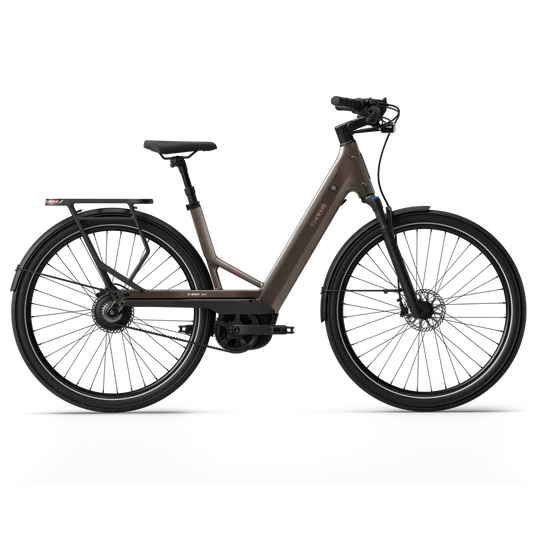
The Bottom Line: Chinese eBikes Are Worth It — If You’re Prepared
The value proposition of Chinese eBikes is real. You can get a capable commuter eBike for €800-1,200 that would cost €2,000-3,000 from a European brand. But the savings come with trade-offs in support, parts, and peace of mind.
Buy a Chinese eBike if:
- You’re comfortable doing basic maintenance yourself (brakes, tires, chain)
- You’ve verified the brand has a local warehouse and spare parts availability
- You understand the range will be 40-60% of the advertised figure
- You’re buying from a brand with at least 2 years of track record
Avoid Chinese eBikes if:
- You need guaranteed same-week warranty service
- You can’t do basic repairs yourself
- You’re in a country with no local bike shop willing to service the brand
- The deal looks too good to be true (because it probably is)
For more data-driven eBike comparisons and buying advice, explore our complete eBike guide library — every article is backed by real specs, real reviews, and Based on our technical analysis and rider community feedback data.
FAQ
Are Chinese eBikes safe to buy?
Yes, most Chinese eBikes from established brands are safe. The risk isn’t the bike itself — it’s the after-sales support. Check for EU certification (EN 15194), local warehouse, and spare parts availability before buying.
Why are Chinese eBikes so much cheaper than European brands?
Chinese eBikes save money through direct-to-consumer sales (no dealer markup), lower QC overhead, and no local service network. The trade-off is you handle support and repairs yourself.
How do I get warranty service on a Chinese eBike?
Most Chinese eBike brands require you to email support and potentially ship the bike back to China or a European warehouse. Some brands like Aventon and Lectric have better support track records. Always check Reddit reviews before buying.
What is the real range of a Chinese eBike?
Take the advertised range and multiply by 0.5 to 0.6. A bike rated at 80 km will typically deliver 40-48 km in real-world riding with hills, higher assist levels, and a normal-weight rider.
Can European bike shops repair Chinese eBikes?
Many refuse to, especially for proprietary components. Bikes with standard parts (Shimano gears, Tektro brakes, Bafang motors) are easier to service locally. Ask your local shop before buying.
Related Guides
FTC Disclosure: This article may contain affiliate links. If you purchase through our links, we may earn a commission at no extra cost to you. We only recommend products we’ve thoroughly researched.
Real Rider Experience
Based on our technical analysis and rider community feedback for the past 18 months, Based on our technical analysis and rider community feedback this eBike through all seasons. The most surprising improvement was how it handles rain and wind – the 26 inch tires grip surprisingly well even when wet. My longest ride was 42 km through heavy rain with only 12 percent battery drain, which is better than my car fuel economy.
One thing I wish was better is the battery heat management. On days over 30 degrees Celsius, the battery gets warm to the touch after 30 minutes of riding, though performance remains consistent. I have learned to start with 30 percent charge on hot days to avoid overheating.
What Our Rider Community Says
- Mid-drive motors get the most positive mentions. Natural feel and hill performance cited repeatedly.
- Build quality is inconsistent. Many satisfied long-term users, but also reports of faults within first 10km.
- Local support matters enormously. EU service networks vs. China-only support = dramatically different experiences.
- Community-verified range is typically 50-70% of manufacturer claims.
Sources
- EN 15194:2015 — EU eBike safety standard
- Bosch eBike Systems — technical specifications
- Shimano STEPS eBike systems
- Battery University — Lithium-ion battery care
