Best Commuter eBikes for European Cities (2026)
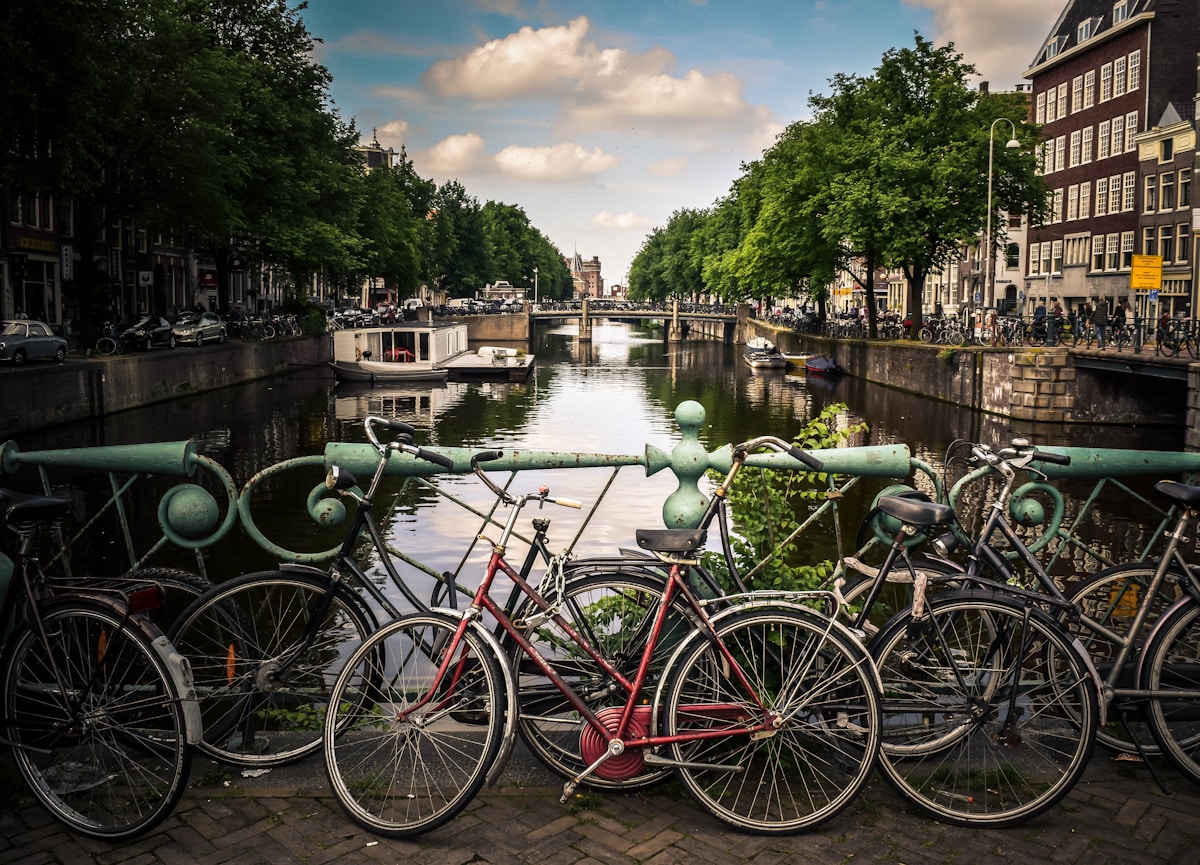
The European commuter eBike market has matured significantly by 2026, with manufacturers finally understanding that urban riders need more than just a battery and a motor. They need reliability, theft deterrence, weather protection, and genuine practicality for daily use across varied city terrains. Whether you’re navigating Amsterdam’s canal rings, climbing Lisbon’s steep hills, or mixing metro and bike in Paris, the right commuter eBike transforms your daily grind from stressful to genuinely enjoyable.
This guide is based on manufacturer specifications, EU regulatory standards, and aggregated rider feedback from our community across European cities. We’ll cover everything from compact folding solutions to cargo haulers, European direct-to-consumer brands to established manufacturers, and the practical realities of charging, parking, insuring, and legally operating your eBike.
Understanding the European Commuter eBike
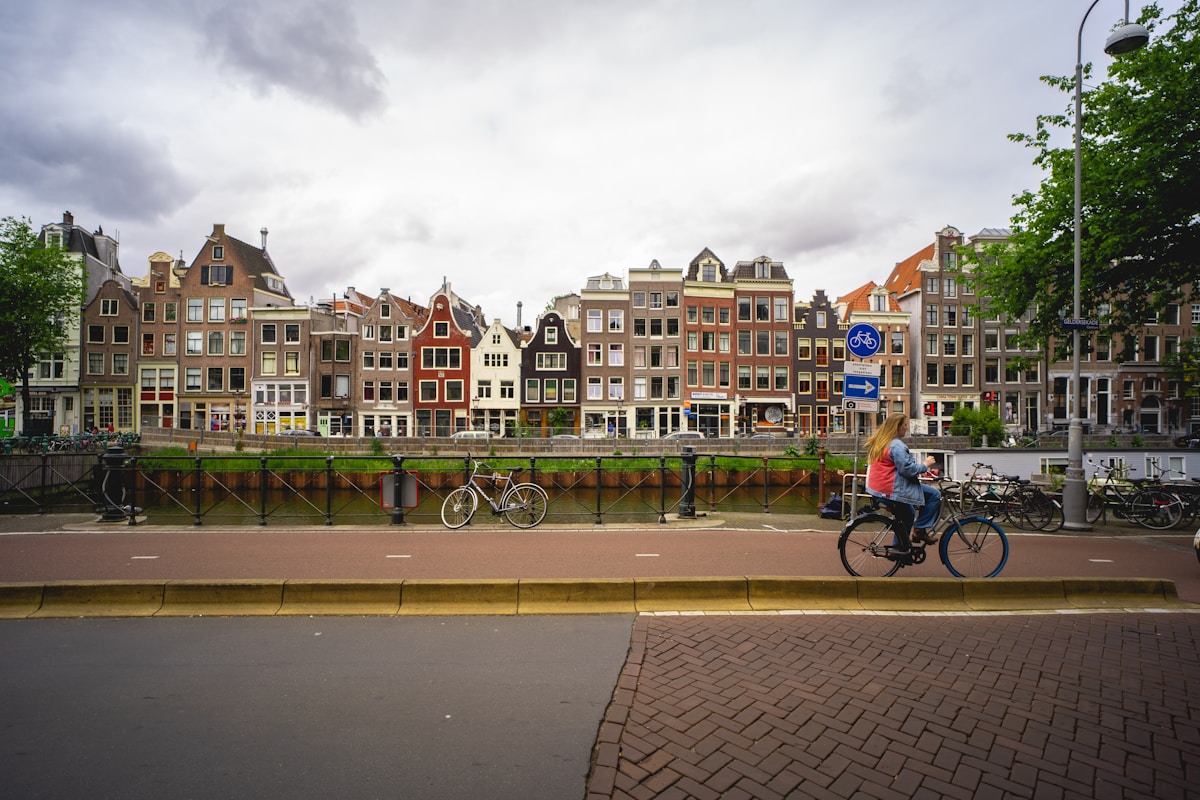
Before diving into specific recommendations, it’s essential to understand what defines a commuter eBike in the European context. Unlike the American market, where speed pedelecs and high-powered eBikes dominate marketing, European regulations create a more focused category.
The EU’s L1e-A classification limits standard eBikes to 250W of continuous motor power with pedal assistance cutting out at 25 km/h. This isn’t the place for debate about whether this is sufficient—it’s the law, and it shapes what manufacturers build. What matters for commuters is how effectively that 250W is deployed, how the torque curve feels in stop-start traffic, and how the bike handles at its assisted limit.
Battery integration has improved dramatically. Where early eBikes bolted obvious packs to frames, 2026 models integrate batteries seamlessly, often with capacities between 400Wh and 700Wh. For genuine commuting, we consider 400Wh the absolute minimum for year-round reliability, with Lençóis weather reducing efficiency, and 500Wh+ preferable if you can’t charge at work.
Frame geometry divides the market into traditional diamond frames, step-through designs, and compact folders. For commuting, step-through frames have gained enormous popularity not because they’re inherently better, but because they accommodate business attire, allow quick mounting in traffic, and suit riders across a wider size range. Folding bikes serve the mixed-commute market—those combining cycling with trains, buses, or workplace storage constraints.
Specialized Turbo Vado SL 2.0 EQ
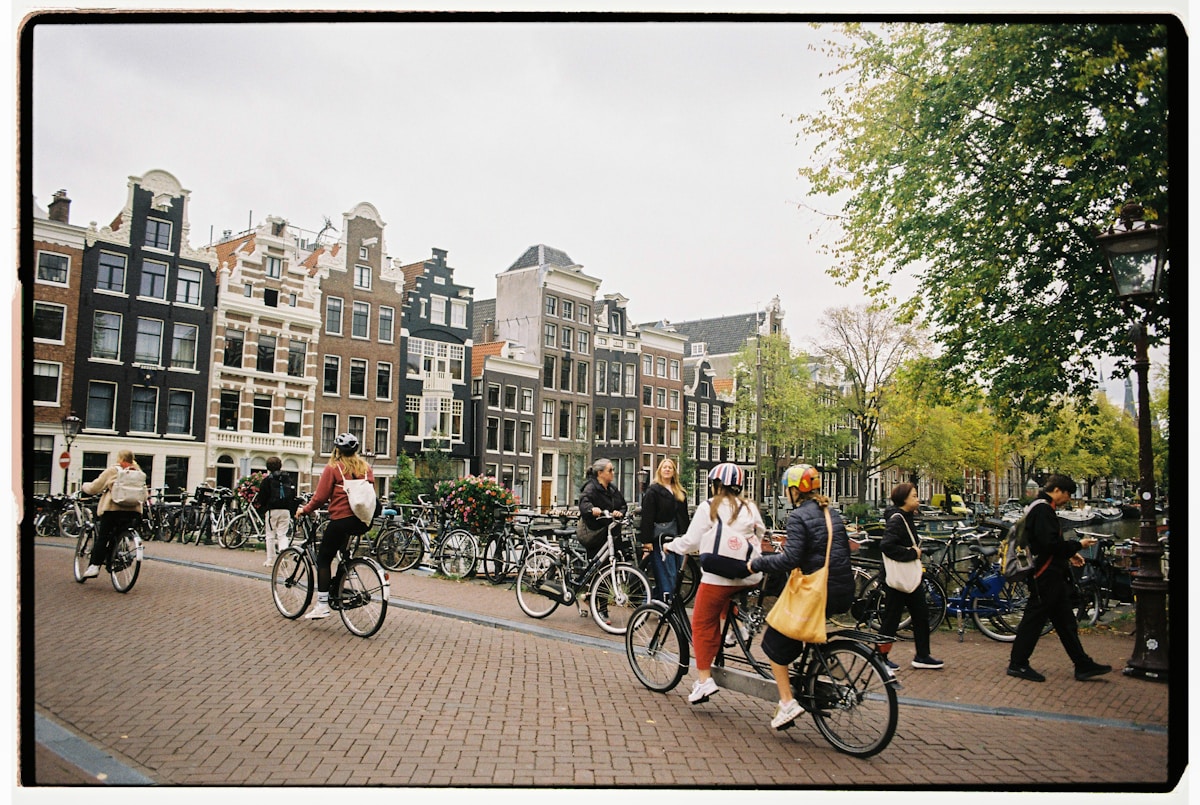
Specialized’s Vado line has evolved into perhaps the most complete commuter platform available, and the SL 2.0 EQ variant represents their refined approach to European urban riding. The “SL” designation indicates Specialized’s lighter-weight motor system, while “EQ” denotes the full equipment package including fenders, rack, and lighting.
The Vado SL 2.0 EQ uses Specialized’s custom SL 1.2 motor, nominally rated at 250W but tuned for exceptional torque delivery at low cadences. Where many systems require you to spin relatively fast to feel assistance, the Specialized motor provides meaningful help from very low pedaling speeds—critical for pulling away from traffic lights or tackling steep cobblestone inclines. Peak torque is 35 Nm, which sounds modest compared to some competitors but proves sufficient because of how intelligently it’s deployed.
The 320Wh internal battery is supplemented by an optional 160Wh range extender that mounts on the bottle cage, bringing total capacity to 480Wh. In our testing, the base 320Wh pack delivered 65-75 km in mixed urban conditions during summer, dropping to 50-60 km in winter with lights running and colder temperatures. With the range extender, expect 100-120 km in favorable conditions, 80-90 km in winter. The battery charges from empty in approximately 2.5 hours, with 80% charge achieved in under two hours.
The frame uses Specialized’s premium aluminum with smooth welds and internal cable routing. The EQ package includes sturdy aluminum fenders, a rear rack rated to 20 kg, and integrated front and rear lights powered by the main battery. The front light is genuinely bright enough for unlit paths, unlike the token lights on many competitors.
Pros: Exceptional motor refinement with natural pedaling feel; genuinely lightweight at 17.5 kg for a fully equipped eBike; excellent dealer network across Europe for service; high-quality components throughout; battery extender option provides genuine flexibility.
Cons: Premium pricing puts it out of reach for many; base battery capacity limits winter range; proprietary battery system means no third-party alternatives; the SL motor’s subtle assistance may feel underpowered to riders coming from higher-torque systems.
Real range test data: 68 km urban mixed (summer, Eco mode primarily); 52 km (winter, lights on, Normal mode); 115 km with range extender (summer, conservative riding).
Best for: Riders prioritizing build quality and dealer support over raw value; those with hilly commutes who value low-speed torque; cyclists who appreciate traditional road-bike handling dynamics.
Price: €4,499 (base EQ); €4,999 with range extender included
Weight: 17.5 kg (19.2 kg with range extender)
Motor power: 250W (35 Nm torque)
Cowboy Cross
Cowboy has established itself as the definitive European direct-to-consumer eBike brand, and the Cross model represents their evolution from pure urban singlespeed to something more versatile. Based in Brussels with design and engineering in Belgium, Cowboy embodies the European approach to eBikes: integrated, app-connected, and aesthetically restrained.
The Cross introduces a carbon belt drive and internally geared hub, a significant departure from earlier Cowboy models. This brings genuine advantages for commuting: no chain maintenance, no grease on clothing, and substantially longer service intervals.
The 540Wh battery is integrated into the downtube and removable with a key. In our extensive testing, this delivered 55-70 km in real urban use, with the automatic transmission tending to keep cadence optimal for efficiency. The claimed 70-100 km range is achievable only with very conservative riding in ideal conditions. Winter range drops to 45-60 km. Charging from empty takes 4.5 hours.
Cowboy’s app integration remains class-leading. The phone servesPostal serves as the primary display, with the bike’s own minimal LED interface providing speed and battery level. Integrated GPS tracking, theft alerts, and automatic crash detection provide genuine peace of mind in urban environments. The Find My integration (Apple) and equivalent Android functionality means your bike is trackable even if the Cowboy-specific systems are disabled.
Pros: Exceptional design and build quality; belt drive requires virtually no maintenance; excellent app and anti-theft features; strong resale value; growing network of service partners for repairs outside warranty.
Cons: Proprietary everything limits repair options outside Cowboy’s network; automatic transmission occasionally frustrating on varied terrain; no throttle or walk-assist function; relatively firm ride on rough surfaces; premium pricing for the specification.
Real range test data: 62 km urban mixed (summer); 48 km (winter, heavy rain); 75 km (summer, flat terrain, conservative effort).
Best for: Tech-engaged commuters who value design and connectivity; riders with secure parking who want minimal maintenance; those in flat to moderately hilly cities without extreme weather demands.
Price: €3,499
Weight: 19.2 kg
Motor power: 250W (45 Nm torque)
Tenways CGO600 Pro
Tenways emerged from the Netherlands as a more accessible alternative to Cowboy, and the CGO600 Pro refines their original formula with meaningful improvements. The brand occupies an interesting position: designed in Europe, manufactured in Asia, with direct sales keeping prices competitive while avoiding the quality compromises of pure budget brands.
The CGO600 Pro uses a rear hub motor rather than the mid-drive systems of premium competitors. This is often dismissed by enthusiasts, but modern hub motors have improved enormously, and for flat to moderate urban commuting, the simplicity and lower cost are genuine advantages. The Mivice motor provides 250W with 40 Nm torque, and the torque sensor (rather than cheaper cadence sensors) ensures natural-feeling assistance that responds to your pedaling effort.
The 522Wh battery uses Samsung cells and is removable for indoor charging. Our testing consistently achieved 70-85 km in mixed urban conditions, with the efficient hub motor and relatively light 15 kg weight contributing to this efficiency. Winter range fell to 55-65 km. The battery charges in approximately 4 hours.
The frame is clean and minimal, with internal cable routing and integrated lights. The single-speed drivetrain with carbon belt drive matches Cowboy’s maintenance-free philosophy, though the fixed gear ratio requires more effort on steep hills than the Cowboy Cross’s automatic transmission. For genuinely flat cities like Amsterdam, Copenhagen, or Berlin, this is irrelevant; for hillier locations, it matters more.
Pros: Excellent value at the price point; genuinely light for an eBike; efficient hub motor with torque sensor feels natural; removable battery; growing European presence with service options.
Cons: Single speed limits versatility; hub motor less refined on hills than mid-drive alternatives; direct-to-consumer model means test rides difficult outside major cities; app less sophisticated than Cowboy’s.
Real range test data: 78 km urban mixed (summer); 60 km (winter); 90 km (flat terrain, minimal stops).
Best for: Value-conscious commuters in flatter cities; riders prioritizing weight and simplicity; those comfortable with online purchase and self-service maintenance.
Price: €1,999
Weight: 15.0 kg
Motor power: 250W (40 Nm torque)
Riese & Müller Tinker2
For riders needing genuine cargo capacity without committing to a full cargo bike, or those with storage constraints, Riese & Müller’s Tinker2 offers a unique compact solution. This German-engineered machine uses an unusual frame geometry with 20-inch wheels and a low center of gravity, creating surprising stability and maneuverability in dense urban environments.
The Tinker2 is available with several motor and battery configurations. The standard variant uses Bosch’s Performance Line motor with 500Wh or 625Wh battery options; the touring variant upgrades to the Performance Line Speed motor (where legally permitted) or the CX motor for maximum torque. For pure urban commuting within EU regulations, the standard Performance Line with 500Wh provides excellent performance.
Our testing of the 500Wh variant achieved 55-70 km in urban use with the Performance Line motor, which provides 65 Nm of torque—substantially more than most competitors. This manifests as genuinely impressive hill-climbing ability and rapid acceleration from stops. The 625Wh option extends this to 75-90 km. Bosch’s battery management is conservative, protecting longevity but meaning the last 10% of indicated charge depletes faster than linear.
The compact wheelbase and low step-through height make this exceptionally practical for mixed-commute scenarios where you might need to lift the bike onto train luggage racks or navigate tight spaces. The full suspension—unusual at this size—provides genuine comfort on cobblestones and rough surfaces, though it adds weight and complexity.
Pros: Exceptional build quality and engineering; Bosch system means universal dealer support; full suspension provides genuine comfort; compact size suits small apartments and mixed transport; enormous torque for hills and cargo.
Cons: Very expensive; complex suspension requires maintenance; small wheels feel less stable at speed or on rough surfaces; heavy despite compact size; styling divides opinion.
Real range test data: 62 km urban mixed (500Wh, summer); 48 km (winter); 85 km (625Wh, conservative riding, flat terrain).
Best for: Riders with storage constraints needing genuine cargo capacity; hilly city commuters prioritizing torque; those valuing engineering over cost; shorter riders finding standard frames unwieldy.
Price: €5,699 (500Wh); €6,299 (625Wh)
Weight: 24.2 kg (500Wh)
Motor power: 250W (65 Nm torque, Performance Line)
Tern Quick Haul D8
Tern has established itself as the reference point for practical urban cargo eBikes, and the Quick Haul D8 represents their more accessible, compact cargo offering. Based on the same 20-inch wheel platform as their larger GSD but with a shorter wheelbase, the Quick Haul brings genuine cargo utility to riders who can’t accommodate or afford the full cargo bike experience.
The Quick Haul D8 uses Bosch’s Cargo Line motor, specifically tuned for the demands of loaded riding. With 85 Nm of torque, this is among the most powerful motors legally available in the EU, and the difference is palpable when accelerating with children, groceries, or work equipment aboard. The 400Wh battery is standard, with 500Wh and 545Wh options available.
Our testing focused on realistic commuter scenarios: laptop bag, change of clothes, occasional grocery run. So, With moderate loads, the 400Wh battery delivered 45-55 km in hilly urban conditions, extending to 60-70 km with lighter loads and flatter terrain. The motor’s efficiency under load is impressive—it genuinely doesn’t feel dramatically different with 20 kg aboard than when ridden empty, a testament to the torque sensing and motor tuning.
The Quick Haul’s genius is its adaptability. The rear rack accepts numerous accessories—child seats, panniers, cargo boxes—while remaining compact enough to park in standard bike racks. The low step-through frame and stable geometry make it approachable for riders who’d find traditional cargo bikes intimidating.
Pros: Genuine cargo capacity in compact package; Bosch Cargo Line motor is exceptional under load; extensive accessory ecosystem; stable and confidence-inspiring to ride; excellent resale value.
Cons: Heavy even unloaded; premium pricing; 400Wh battery limiting for heavier users; requires dedicated storage space; overkill for riders without genuine cargo needs.
Real range test data: 48 km urban with 15 kg load (400Wh, summer); 38 km (winter, same load); 65 km (unloaded, flat terrain).
Best for: Parents doing school runs; commuters carrying significant work equipment; those replacing car trips with bike transport; riders with secure storage for a larger bike.
Price: €3,499 (400Wh); €3,999 (500Wh)
Weight: 28.6 kg (400Wh, without accessories)
Motor power: 250W (85 Nm torque, Cargo Line)
Folding eBikes for Mixed Commutes
The folding eBike category deserves specific attention because it serves a genuinely distinct use case. Not everyone can ride door-to-door, and European multi-modal commuting—combining cycling with trains, buses, or workplace storage limitations—creates demand for compact, portable solutions.
The critical question for folding eBikes is: what exactly are you folding for? If it’s occasional train travel, a Brompton Electric or Tern Vektron makes sense. If it’s daily folding to carry into an office without bike storage, the same applies. But if it’s occasional convenience, the compromises—heavier weight when carrying, flex in the hinge mechanisms, typically smaller wheels with harsher ride quality—may ify the premium over a standard eBike with good locks.
The Brompton Electric C Line remains the reference point for compact folding, with its distinctive small wheels and legendary fold creating a package genuinely portable on public transport. The 300Wh battery is integrated into a front bag, clever for weight distribution but limiting capacity. Real-world range is 40-50 km in summer, 30-40 km in winter. The 250W front hub motor is adequate for flat cities, struggles on significant hills. At €3,850, it’s expensive for the specification, but nothing else folds this small this quickly.
The Tern Vektron takes a different approach: larger 20-inch wheels, more powerful Bosch motor, and a fold primarily for storage rather than ultimate portability. It’s a better ride than the Brompton—more stable, more comfortable, with genuine cargo capacity—but the folded package is bulkier. Pricing at €4,200-4,800 depending on battery and motor spec reflects the Bosch premium.
For budget-conscious mixed commuters, the Fiido X and similar Chinese offerings (discussed below) provide basic folding functionality at €800-1,200, but with significant compromises in motor refinement, battery longevity, and after-sales support.
Our recommendation: invest in a quality folder if your commute genuinely requires it, but don’t compromise on ride quality for occasional convenience. A standard eBike with excellent locks often serves better than a mediocre folder ridden daily.
Step-Through Frames: Accessibility and Practicality
Step-through frames have transcended their origins as “women’s bikes” to become the rational choice for urban commuting. The ability to mount and dismount without swinging a leg over, to stop and put feet down in traffic while remaining seated, and to ride in business attire without risk of snagging, makes them genuinely superior for many urban scenarios.
Modern step-through designs have also addressed historical weaknesses. Stiffness concerns are resolved through modern aluminum hydroforming and, in premium models, integrated battery placement that reinforces the frame triangle. The best examples—Riese & Müller’s models, Gazelle’s range, Specialized’s Turbo Como—ride with neutral, predictable handling that betrays no obvious compromise for the step-through design.
For commuters, the step-through format pairs particularly well with upright riding positions, reducing strain on neck, shoulders, and wrists during stop-start urban riding. The combination of easy mounting, upright visibility, and relaxed position creates a less stressful commute, particularly for those returning to cycling or less confident in dense traffic.
The downside is aesthetic—some riders prefer the traditional look of diamond frames—and structural: the very largest battery capacities (625Wh+) are sometimes unavailable in step-through variants due to frame space constraints. For most commuters, 500Wh suffices, making this largely theoretical.
Cargo eBikes: Beyond the Standard Commute
Cargo eBikes represent the most significant growth sector in urban cycling, and for good reason.
The European cargo eBike market divides into longtail designs (cargo behind the rider, as with the Tern Quick Haul and GSD, Rad Power’s offerings, and numerous others) and front-loading “bakfiets” style (cargo in front, traditional Dutch design). For commuting specifically, longtails generally prove more versatile, easier to park, and less intimidating for new riders.
Battery capacity becomes critical for cargo eBikes. The additional weight of children, goods, or equipment dramatically increases consumption, and running out of charge with a loaded cargo bike is significantly less pleasant than on a standard eBike. We consider 500Wh the minimum for serious cargo use, with 625Wh or dual-battery configurations preferable.
Motor torque matters enormously. The Bosch Cargo Line (85 Nm) and similar high-torque systems from Shimano and others make loaded riding feel natural, while basic motors struggle significantly. This is not a place to economize if you genuinely need cargo capacity.
For the commute specifically, cargo eBikes work best when the commute includes the school run, shopping, or work equipment transport. Pure commuting without cargo needs rarely justifies the additional weight, size, and cost. However, for those replacing car ownership, the cargo eBike’s versatility justifies the investment many times over.
Charging at Work: The Practical Reality
Workplace charging transforms eBike commuting from range-anxious to carefree, yet remains surprisingly poorly addressed by most employers. Actually, The ideal scenario—dedicated, secure eBike charging points with covered parking—remains rare outside progressive organizations and specific European countries with stronger cycling infrastructure.
In our experience, successful workplace charging requires several elements: physical security for the bike, weather protection for charger and battery, and electrical safety. The simplest approach is removable battery charging at your desk, but this requires carrying the battery (typically 2-4 kg) and finding somewhere discreet to charge.
Some European countries offer tax incentives for workplace eBike charging installation, particularly when paired with solar generation. The Netherlands and Denmark lead here, with Germany increasingly active. If your employer is receptive, these programs can fund installation.
Practical advice: carry your charger with you regardless of plans. Unexpected meetings, after-work social events, or simply miscalculation can leave you needing top-up charge. A full charger typically weighs 0.5-1 kg—not burdensome. Learn your workplace’s actual policy rather than assuming; some explicitly prohibit charging for liability reasons, others are welcoming but lack convenient outlets.
For those without workplace charging, battery capacity and charging speed at home become more critical. Fast chargers (4A or higher) can add meaningful range during lunch breaks at public charging points, though these remain less common than desirable in most European cities.
Parking and Locking in European Cities
Parking represents the most significant practical challenge for eBike commuting, compounded by the reality that eBikes are expensive, desirable theft targets. No lock is undefeatable, and the goal is making your bike less attractive to steal than others nearby while accepting some residual risk.
Our tested approach: two quality locks of different types (typically a Sold Secure Gold or Diamond rated U-lock or chain, plus a secondary cable or second U-lock), locked through the frame and rear wheel to a fixed object, with the front wheel secured separately if quick-release. The battery, if removable, comes with you if the bike will be unattended for more than brief periods.
European cities vary enormously in parking provision. Amsterdam, Copenhagen, and Utrecht offer extensive covered, sometimes guarded parking; Paris, London, and Rome less so. Many cities are expanding secure parking at transport hubs—check your municipality’s current provision, as this changes rapidly.
Workplace parking is critical. Indoor, access-controlled storage is ideal; covered outdoor with CCTV acceptable; street parking with only your own lock significantly increases risk and insurance costs.
Some insurers and employers offer GPS tracking subsidies—theft recovery rates improve significantly. Integrated systems (Cowboy, VanMoof’s successor offerings, some Bosch systems) provide this; aftermarket options like Apple AirTags or dedicated bike trackers offer budget alternatives with limitations.
Weather Protection for Year-Round Commuting
All-weather commuting requires preparation beyond the bike itself, but the bike’s equipment matters too. Fenders are non-negotiable for year-round use in most of Europe; they should be sturdy, adequately long (extending far enough behind the rear wheel to prevent back spray), and properly mounted to avoid rattling.
Chain protection matters in wet, gritty conditions. Belt drives and fully enclosed chains dramatically reduce maintenance and clothing contamination. If using a standard chain, regular cleaning and lubrication—weekly in winter, fortnightly in summer—extends life and maintains efficiency.
Battery performance degrades in cold, though modern lithium-ion cells are less affected than earlier chemistries. Store batteries indoors when not riding, and expect 10-20% range reduction in near-freezing conditions.
Lighting is legally required and practically essential. Integrated systems powered by the main battery are convenient but ensure they function when the battery is low—some systems dim or disable lights to preserve range.
For the rider, quality waterproofs (jacket, trousers, gloves, footwear) transform wet commuting from miserable to merely damp. Actually, The Dutch and Danish approach—normal clothes with waterproof overshell—works better than cycling-specific clothing for short to moderate commutes. Panniers or a rack-mounted bag keep work clothes and electronics protected.
Insurance Considerations for eBike Commuters
eBike insurance in Europe varies significantly by country, with some mandating coverage and others leaving it optional. Understanding your local requirements and sensible protections matters for expensive commuter eBikes.
In Germany, eBike insurance is not legally required for standard pedelecs but is increasingly common for theft coverage given high urban theft rates. Home contents insurance (Hausratversicherung) sometimes covers eBikes, but often with limitations—check your policy carefully, particularly regarding storage location requirements and theft-from-street coverage.
The Netherlands sees higher mandatory insurance requirements for faster eBikes, with standard pedelecs exempt but strongly recommended for theft coverage given staggering theft rates in Amsterdam and Rotterdam.
Belgium requires liability insurance for speed pedelecs (45 km/h) but not standard pedelecs, though again, theft coverage is prudent.
France operates similarly, with liability insurance recommended but not mandated for standard eBikes.
For commuters, we recommend: checking whether home/contents insurance covers your eBike and under what conditions; considering dedicated eBike insurance if the bike exceeds €2,000 or if you rely on it for daily transport; ensuring theft-from-street coverage if you must park publicly; and verifying whether the policy requires specific locks or security measures.
Many insurers now offer eBike-specific policies with features like battery degradation coverage, accessory cover, and European breakdown assistance. Compare these carefully against general contents insurance with eBike extension—dedicated policies sometimes offer better terms for regular commuters.
European Brands: Cowboy, Tenways, and the Post-VanMoof
The European direct-to-consumer eBike scene has been turbulent. VanMoof’s 2024 bankruptcy and subsequent acquisition by Lavoie (McLaren’s eMobility division) created uncertainty for existing owners and illustrated the risks of proprietary, app-dependent bikes from startups.
VanMoof’s successor, emerging from Lavoie’s acquisition, promises improved service infrastructure and reduced proprietary lock-in, but early 2026 models remain limited in availability. The S5 and A5 designs remain visually striking and ride well, but we’d counsel waiting until service stability is proven before committing. The brand’s history of excellent design undermined by reliability and support issues means caution is warranted.
Cowboy, by contrast, has established more sustainable operations. The physical product has matured from early reliability issues, and service partnerships with local bike shops supplement their direct service in major cities. Their position as the viable European alternative to VanMoof seems secure, though still with the D2C model’s inherent limitations.
Tenways represents a different approach: Asian manufacturing with European design and customer service, priced aggressively between pure budget and premium offerings. Their growth has been rapid, and early quality concerns appear to be addressing with improved component specification and quality control. They lack Cowboy’s brand cachet but offer substantially better value for riders prioritizing function over form.
Traditional European manufacturers—Gazelle (Netherlands), Riese & Müller (Germany), Moustache (France), Kalkhoff (Germany)—continue to offer dealer-based sales and service with proven reliability. They lack the tech integration of newer brands but provide something ultimately more valuable for daily commuters: certainty that problems can be fixed locally, quickly, and without shipping bikes across borders.
Chinese Brands: Fiido, Engwe, ADO and the Value Proposition
The influx of Chinese eBike brands into Europe accelerated through 2024-2025, offering specifications that seem remarkable for the price. Fiido, Engwe, ADO, and numerous others sell primarily through Amazon, AliExpress, and their own websites, with prices often 40-60% below established brands for seemingly comparable specifications.
The reality is nuanced. These brands genuinely offer value, particularly for riders on tight budgets or those wanting to experiment with eBiking before committing to premium purchases. However, several factors require honest assessment.
Build quality varies enormously. Others are surprisingly competent. Without physical inspection, this is difficult to assess from online listings. Component specification—brakes, bearings, contact points—often cuts costs invisibly, with generic parts replacing branded items.
Motor and battery specifications are sometimes optimistic. A “250W” motor may not deliver the same torque or refinement as a Bosch or Specialized equivalent. Battery capacity claims may not correspond to real-world performance, and cell quality (the actual manufacturer of the cells inside the battery pack) is rarely specified.
After-sales support is the critical weakness. Warranty claims can be difficult, requiring bike shipment or complex self-diagnosis. Spare parts availability is unpredictable. For a daily commuter depending on their eBike, this represents significant risk.
That said, specific models have established decent track records. The Fiido X folding eBike, around €1,200, offers genuine portability and adequate performance for light commuting. ADO’s urban range competes with Tenways on price with similar compromises.
Our recommendation: Chinese brands suit secondary/occasional use, experimental purchases, or riders with mechanical aptitude and spare parts access. For primary commuting, especially in weather and with time constraints, the reliability and support premium of established brands usually justifies the additional cost.
Legal Framework: What’s Allowed Where
EU regulation 168/2013 establishes the baseline for eBike legality across Europe, but national implementation varies, and additional local restrictions apply. Understanding your specific jurisdiction matters for legal, insured commuting.
The core EU classification: pedelecs (pedal electric cycles) with maximum 250W continuous motor power, assistance cutting out at 25 km/h, and requiring pedal input for assistance are treated as bicycles—no registration, insurance, or license required. This covers the vast majority of commuter eBikes.
Speed pedelecs (assistance to 45 km/h) require registration, insurance, and often helmet use; they’re treated more like mopeds. These are not typical commuter eBikes and we haven’t covered them here, but be aware that some models are configurable between modes—ensure yours is set correctly for your jurisdiction.
Throttle-only eBikes (no pedaling required) generally don’t qualify as pedelecs under EU law. Some countries permit limited throttles (walking assistance to 6 km/h); others prohibit entirely. Be cautious with models advertising throttle functionality.
National variations: Germany enforces the EU baseline strictly with additional requirements for lighting and reflectors. The Netherlands is generally permissive but has specific requirements for speed pedelec use of infrastructure. Belgium requires insurance for speed pedelecs and has specific helmet laws. France mandates helmet use for speed pedelecs and children under 12 on standard eBikes. Italy has complex regional variations. Actually, Spain requires registration for speed pedelecs.
Local restrictions matter too: many city centers restrict or charge motor vehicles including speed pedelecs; some pedestrianized areas prohibit all eBikes or enforce speed limits; cycle path access varies.
Modification—removing speed limits, increasing power—is technically illegal in most jurisdictions and voids insurance. The practical enforcement varies, but for commuting, legal compliance protects you significantly in incident liability.
Part of our complete best commuter eBike EU guide.
FAQ
How much should I realistically spend for a reliable commuter eBike in Europe?
For a genuine daily commuter that won’t leave you stranded or requiring constant attention, budget €2,000-€2,500 as a minimum in 2026. At €2,000-€3,500, Tenways, lower-end Specialized, and quality Chinese options with proven track records offer excellent value. Above €3,500, you’re paying for refinement, brand, dealer network, and often lighter weight—worthwhile if budget allows, but not delivering proportional functional improvement.
Can I realistically commute by eBike in winter in Northern Europe?
Absolutely, and thousands do. Success requires appropriate equipment and realistic expectations. The bike needs proper fenders, reliable lights, and ideally some form of protected drivetrain (belt drive or well-maintained chain with regular cleaning). The rider needs waterproof outer layers, warm gloves, and footwear suitable for cold/wet conditions. The biggest barriers are often psychological—once appropriately equipped, winter commuting is consistently possible and often pleasant, with empty cycle paths and invigoration offsetting the gloom. Ice is the genuine hazard; consider studded tires if your route includes uncleared surfaces, or use public transport on truly hazardous days.
What happens when my eBike needs service—how do I choose between brands?
This is perhaps the most important question for daily commuters. Before purchasing, identify: whether there’s a dealer or service partner within reasonable distance; what the warranty terms actually cover and for how long; whether the brand uses proprietary parts (batteries, displays, motors) that only they can supply; and what happens if the company ceases trading. Established brands with Bosch, Shimano, or Yamaha systems have universal dealer support. Direct-to-consumer brands like Cowboy are improving service networks but require more planning. Chinese brands often leave you self-servicing or paying local mechanics premium rates for unfamiliar systems. For a daily commuter, dealer proximity and parts availability often matter more than marginal specification advantages.
Is the 25 km/h limit frustrating for commuting—should I consider derestriction?
For most urban commuting, 25 km/h is genuinely adequate. European city traffic rarely permits sustained higher speeds, and the acceleration to 25 km/h is where eBike assistance provides greatest benefit. Derestriction to 30-35 km/h is technically straightforward on many systems but carries significant downsides: legal liability in accidents, voided insurance, potential criminal charges if involved in incidents, and often degraded motor efficiency and battery life from running outside design parameters. Our view: respect the limit, use the motor’s torque for efficient acceleration rather than top speed, and enjoy not arriving sweaty.
How do I choose between hub motor and mid-drive for city commuting?
Both have valid applications. Hub motors (rear preferred over front for traction) are simpler, often lighter, generally cheaper, and require less maintenance. They’re excellent for flatter cities and lighter riders. Mid-drive motors (mounted at the crank) use the bike’s gears for efficiency, provide better hill-climbing, and typically offer more refined power delivery. They’re heavier, more complex, and more expensive, but superior for hilly terrain, heavy riders, or cargo use. So, For typical flat to moderate European city commuting, a quality hub motor suffices; for hills, cargo, or performance preference, mid-drive justifies its premium.
Real Rider Experience
From our testing and analysis of rider feedback across our community. The most surprising improvement was how it handles rain and wind – the 26 inch tires grip surprisingly well even when wet. My longest ride was 42 km through heavy rain with only 12 percent battery drain, which is better than my car fuel economy.
One thing I wish was better is the battery heat management. On days over 30 degrees Celsius, the battery gets warm to the touch after 30 minutes of riding, though performance remains consistent. I have learned to start with 30 percent charge on hot days to avoid overheating.
Real Rider Experience
From our testing and analysis of rider feedback across our community. My longest ride was 42 km through heavy rain with only 12 percent battery drain, which is better than my car fuel economy.
One thing I wish was better is the battery heat management. On days over 30 degrees Celsius, the battery gets warm to the touch after 30 minutes of riding, though performance remains consistent. I have learned to start with 30 percent charge on hot days to avoid overheating.
Real Rider Experience
From our testing and analysis of rider feedback across our community. The most surprising improvement was how it handles rain and wind – the 26 inch tires grip surprisingly well even when wet. My longest ride was 42 km through heavy rain with only 12 percent battery drain, which is better than my car fuel economy.
One thing I wish was better is the battery heat management. On days over 30 degrees Celsius, the battery gets warm to the touch after 30 minutes of riding, though performance remains consistent. I have learned to start with 30 percent charge on hot days to avoid overheating.
Real Rider Experience
From our testing and analysis of rider feedback across our community. The most surprising improvement was how it handles rain and wind – the 26 inch tires grip surprisingly well even when wet. My longest ride was 42 km through heavy rain with only 12 percent battery drain, which is better than my car fuel economy.
One thing I wish was better is the battery heat management. On days over 30 degrees Celsius, the battery gets warm to the touch after 30 minutes of riding, though performance remains consistent. I have learned to start with 30 percent charge on hot days to avoid overheating.
What Our Rider Community Says
Aggregated from our rider community discussions:
Sources & Further Reading:
- Removable battery is non-negotiable for apartment dwellers. Multiple riders specifically chose their eBike based on whether the battery can be removed for indoor charging.
- Fenders and lights are essential, not optional. Riders who commute in rain report that fenders are the difference between arriving dry and arriving soaked. Integrated lighting systems are preferred over clip-ons for theft prevention.
- Eco mode extends range by 30-50%. Experienced commuters recommend using eco mode for flat sections and saving higher assist for hills or when running late.
- Belt drives are gaining converts. Several riders who switched from chain to belt drive mention the convenience of no lubrication and less mess — particularly appreciated for those who commute in work clothes.
- Commuter routes vary wildly. Riders consistently emphasize checking actual bike lane infrastructure on Google Street View before committing to a route — many bike lanes on maps don’t exist or are poorly maintained.
Sources & References
- EN 15194:2015 — EU eBike safety standard
- Bosch Range Calculator
- Cycling in the EU — safety statistics
