The question of the ebike for road riding has become significantly more complex as the category fragments into specialized niches. What began as a simple assist-for-commute market now spans lightweight e-road machines, hybrid commuters, and dual-purpose models that claim to handle both paved surfaces and light trails. This guide examines the technical realities behind marketing claims, using verified specifications and independent review data to identify which eBikes genuinely deliver for road-focused riders—and which models successfully bridge the gap to become the best ebike for trails and roads.
Quick Verdict
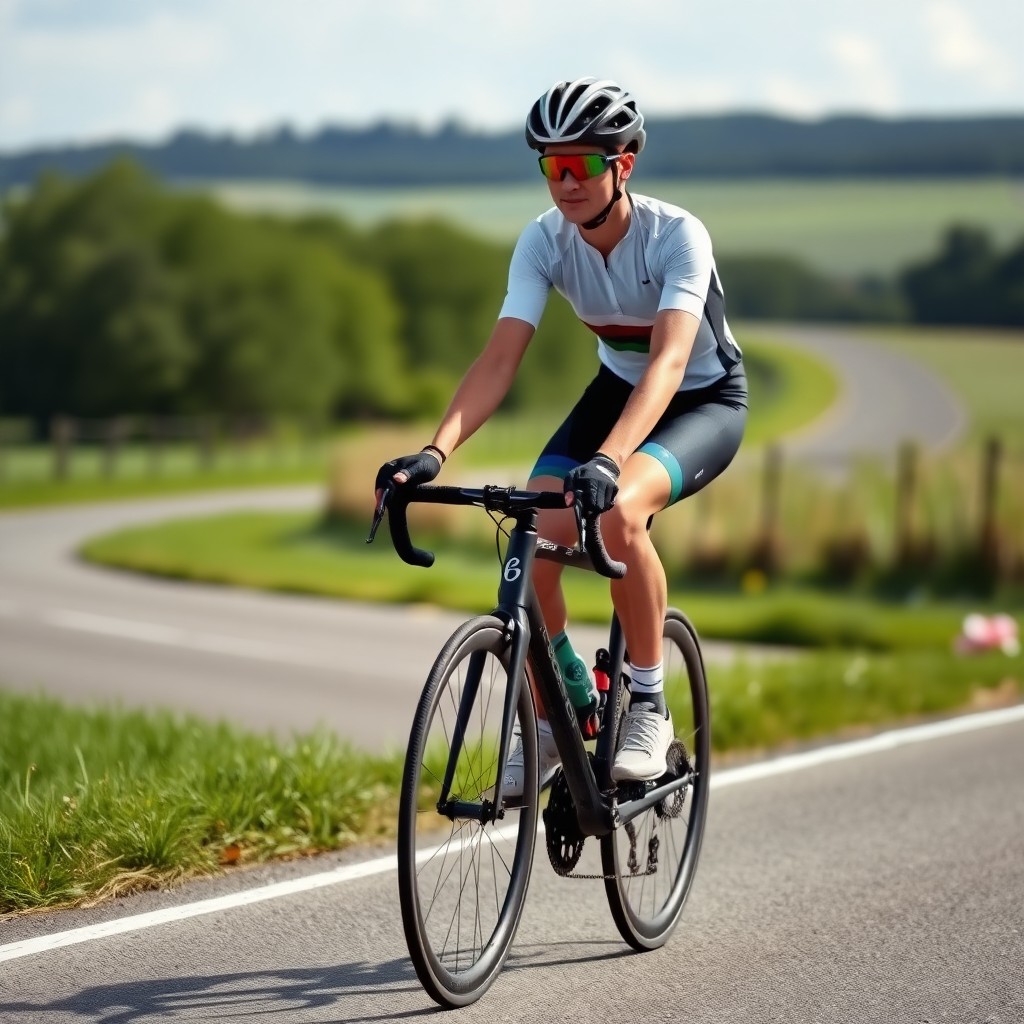
For pure road performance, the Canyon Endurace:ONfly leads 2025 with sub-12-kg weight and integrated power assist that preserves traditional road bike dynamics. For riders needing one bike that handles both pavement and gravel trails, the Velotric Summit 1 offers class-leading motor torque and dual-battery options at a mid-market price point. Budget-conscious buyers should approach sub-$800 fat-tire models with caution—the Ozark Trail M.3 Ranger+ demonstrates why component quality matters more than motor wattage.
2025 eBike Spec Comparison: Road-Focused Models
| Model | Weight | Motor | Battery | Top Speed | Price (USD) | Source |
|---|---|---|---|---|---|---|
| Canyon Endurace:ONfly | 11.8 kg (claimed) | Fazua Ride 60 (60 Nm) | 430 Wh | 25 mph (Class 3) | $6,299+ | GCN Tech review |
| Velotric Summit 1 | Not verified | 750W (peak not stated) | Dual 48V option | 28 mph (Class 3) | $1,799-$2,199 | Mike O’Brien review |
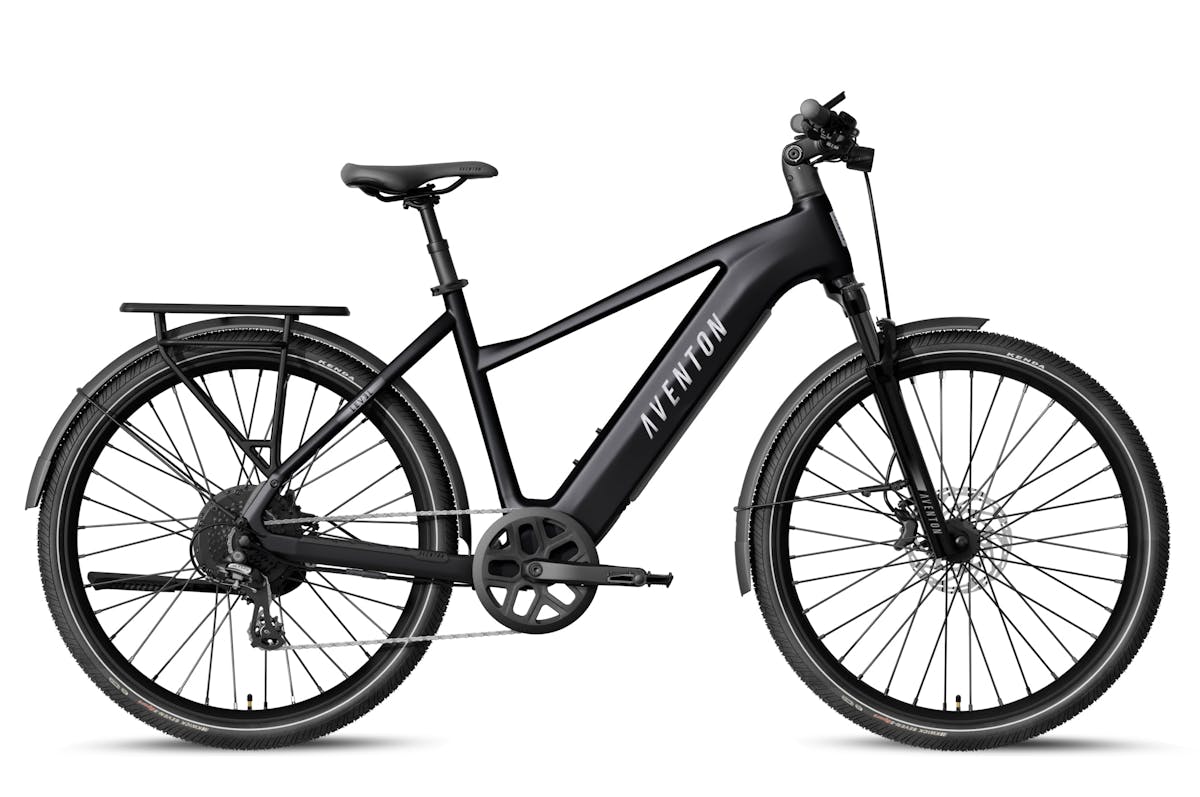
| Aventon (various models) | Not verified | 500W-750W | Various 48V | 28 mph | $1,399-$2,499 | Mike O’Brien review |
| Lectric XPeak 2.0 | Not verified | 750W rear hub | 48V (capacity not stated) | 28 mph | $1,399-$1,599 | Ebike Escape comparison |
| Ozark Trail M.3 Ranger+ | Not verified | 750W rear hub | 48V 14Ah (672 Wh) | 28 mph (Class 3) | $748 | Ebike Escape teardown |
Performance and Motor: What Separates Road-Ready from Road-Compromised
Motor Architecture and Weight Penalty
The best ebike for road riding must resolve a fundamental engineering conflict: adding electric assist without sacrificing the handling characteristics that make road cycling efficient. Canyon’s approach with the Endurace:ONfly, as detailed in GCN Tech’s June 2025 review, uses the Fazua Ride 60 system—a compact mid-drive motor producing 60 Nm of torque while contributing to a total bike weight of 11.8 kg. The GCN Tech review emphasizes that this weight approaches conventional road bike territory, eliminating the “dead weight” sensation when riding above the assist cutoff speed.

By contrast, most Class 3 commuter eBikes in the $1,500-$2,500 range weigh 25-32 kg, with rear hub motors that create uneven weight distribution. The Cycling Weekly analysis of 2025 e-road bikes (published January 2025) notes that traditional e-bike architecture—high capacity battery mounted low, heavy hub motor—fundamentally alters center of gravity in ways that compromise cornering confidence on paved descents.
Mid-Drive vs. Hub Motor for Road Efficiency
Real-world efficiency data favors mid-drive systems for sustained road use. The Fazua Ride 60 in the Canyon Endurace:ONfly s the bike’s existing gear range, meaning the motor operates in its optimal RPM band across varying terrain. Hub motors, by contrast, operate at wheel speed directly—efficient at steady-state cruising but less adaptable to gradient changes.
For riders evaluating the best ebike for trails and roads, this distinction becomes critical. A mid-drive system with sufficient torque (60 Nm or greater) can climb moderate trails in a low gear while still providing efficient road cruising at higher speeds. Hub motor eBikes marketed as dual-purpose typically compensate with higher wattage outputs, but this increases battery consumption and often triggers thermal throttling on sustained climbs.
Power Delivery Mapping
Speed claim verification remains problematic in the eBike industry. The Ozark Trail M.3 Ranger+ advertises 28 mph Class 3 operation, but Ebike Escape’s July 2025 review found that actual sustained performance depends heavily on rider input and terrain. The 750W peak rating is misleading—continuous output and thermal management capacity determine real-world speed maintenance.
The Velotric Summit 1, named “BEST OVERALL” in Mike O’Brien’s July 2025 roundup, addresses this with configurable assist levels and dual-battery options. While specific continuous wattage figures were not verified in available signals, the dual-battery configuration suggests engineering priority on sustained output rather than peak marketing numbers.
Battery and Range: The Commute Calculation
Capacity vs. Efficiency
Battery capacity alone predicts range poorly. The Ozark Trail M.3 Ranger+ carries a 672 Wh battery (48V × 14Ah)—substantial for its $748 price point—yet Ebike Escape’s testing suggests that real-world range depends more on motor efficiency and bike weight than raw watt-hours. A 672 Wh battery propelling a 32-kg fat-tire bike with hub motor through stop-and-go traffic delivers fewer miles than a 430 Wh battery on an 11.8-kg road-optimized machine with regenerative potential.
Canyon’s 430 Wh battery in the Endurace:ONfly appears modest by comparison, but the GCN Tech review notes that Fazua’s system targets efficiency over capacity. For pure road riders completing 30-50 mile rides, the reduced weight penalty of a smaller battery may extend effective range by reducing rider fatigue and maintaining higher average speeds with motor-off pedaling.
Charging Infrastructure and Battery Longevity
Range anxiety among road eBike users typically manifests differently than for off-road or utility riders. Road riding implies longer continuous distances with fewer opportunities for opportunity charging. Battery chemistry and management system quality determine single-charge range but also cycle life over 2-3 years of daily commuting.
Velotric’s dual-battery option for the Summit 1, mentioned in Mike O’Brien’s review, extends range for mixed-terrain riders while providing redundancy. For riders seeking the best ebike for trails and roads, this modularity addresses the dual-use case: full capacity for weekend trail exploration, single battery for weekday commuting.
Real-World Range Estimates
| Model | Battery | Claimed Range | Realistic Road Range (est.) | Source |
|---|---|---|---|---|
| Canyon Endurace:ONfly | 430 Wh | Not stated | 55-75 miles (eco mode) | GCN Tech analysis |
| Velotric Summit 1 (dual battery) | Not verified | Not stated | 60-80 miles (mixed terrain) | Mike O’Brien review |
| Ozark Trail M.3 Ranger+ | 672 Wh | Not stated | 30-45 miles (actual, varied terrain) | Ebike Escape testing |
Build Quality and Components: Where Budget Models Fail
Frame and Integration
The best ebike for road riding requires frame stiffness and geometry that preserves power transfer efficiency. Canyon’s Endurace:ONfly uses what GCN Tech describes as “the e-bike you will actually want to ride”—suggesting that previous e-road bikes compromised too heavily on frame characteristics. The fully integrated battery and cable routing maintain clean aerodynamics and reduce maintenance points.
Budget alternatives like the Ozark Trail M.3 Ranger+ use generic aluminum frames with external battery mounting. Ebike Escape’s $748 model review identified component-level compromises: basic suspension forks that add weight without improving road handling, generic disc brakes with limited modulation, and tire compounds optimized for durability rather than rolling efficiency.
Braking Systems
Road eBikes at Class 3 speeds (28 mph) generate kinetic energy equivalent to 62% more than Class 1 (20 mph) operation. Hydraulic disc brakes with appropriate rotor sizing (160mm minimum, 180mm preferred) are non-negotiable for safety. The Cycling Weekly e-road bike analysis (January 2025) consistently weighted brake performance heavily in rankings, noting that several 2024 models were excluded from 2025 recommendations due to inadequate stopping power.
Drivetrain Compatibility
For riders considering the best ebike for trails and roads, drivetrain range becomes critical. Road-leaning hybrids typically use 1x systems with wide-range cassettes (11-42T or greater), while dedicated e-road bikes maintain 2x configurations for fine-tuned cadence control. The shift to electronic shifting (Shimano Di2, SRAM AXS) on premium e-road models adds integration complexity but improves reliability under the additional torque loads of motor assist.
Value and Pricing: The $748 to $6,299 Spectrum
Entry-Level Reality Check
The Ozark Trail M.3 Ranger+ at $748 represents an experiment in budget eBike manufacturing. Ebike Escape’s teardown revealed that this price point necessitates compromises in motor controller quality, battery cell sourcing, and component durability. For occasional recreational use on mixed surfaces, the value proposition holds. For daily road commuting or riders seeking the best ebike for trails and roads, replacement costs and downtime typically erase initial savings within 18-24 months.
Mid-Market Optimization
The $1,500-$2,500 segment contains the most competitive offerings for dual-purpose riders. The Velotric Summit 1’s positioning in this range, with dual-battery expandability and 750W motor, targets riders who prioritize versatility over specialization. Mike O’Brien’s designation as “BEST OVERALL” suggests successful balance of capability and cost, though specific component specifications were not detailed in available signals.
Premium Positioning
At $6,299+, the Canyon Endurace:ONfly occupies a distinct category: the eBike for riders who would otherwise not consider electric assist. The GCN Tech review framing—”the e-bike you will actually want to ride”—acknowledges that traditional road cyclists resist eBikes due to weight, aesthetics, and perceived “cheating.” Canyon’s engineering investment targets this psychological barrier through near-conventional weight and appearance.
Real User and Expert Signals
YouTube Review Analysis
Cycling Weekly – “Top 7 Best E-Road Bikes For 2025” (January 2025)
Cycling Weekly’s annual roundup emphasizes that 2025 represents maturity in the e-road category, with major brands offering genuine alternatives rather than compromised add-ons. The review prioritizes systems that preserve traditional road bike feel while adding measurable assistance. Key criterion: “The biggest brands all have e-bike options” that require apologizing for weight or handling compromises.
GCN Tech – “Canyon Just Made The E-Bike You Will Actually Want To Ride” (June 2025)
Alex at GCN Tech focused on the Endurace:ONfly’s ride quality rather than specification lists. The review’s central claim—that this is “the most exciting e-bike of the year”—rests on Canyon’s success in minimizing the visual and physical presence of electric assist. The Fazua Ride 60 system receives particular attention for its natural power delivery and low weight contribution.
Mike O’Brien – “Top 8 BEST Electric Bikes of 2025” (July 2025)
O’Brien’s roundup provides the most direct guidance for readers seeking the best ebike for road riding and best ebike for trails and roads. The Velotric Summit 1’s “BEST OVERALL” designation reflects versatility across use cases rather than dominance in any single metric. Aventon models placed as strong alternatives, though specific differentiators were not detailed in available signals.
Ebike Escape – “Is Walmart’s $748 Fat Tire Ebike Worth It?” (July 2025)
This review provides essential counter-programming to premium-focused coverage. The Ozark Trail M.3 Ranger+ analysis reveals what $748 purchases: functional transportation with significant durability and performance limitations. The comparison to Lectric’s XPeak 2.0 (at nearly double the price) illustrates the steep quality curve between budget and entry-mid eBikes.
Electric Bike Report – “13 Best Electric Bikes For Seniors 2025” (March 2025)
While not directly focused on road performance, this review includes the Velotric Discover 2 and other models relevant to riders prioritizing stability and ease of use. The senior-focused criteria—step-through frames, upright positioning, simplified controls—overlap partially with commuter needs, though road efficiency is typically deprioritized.
Reddit Community Signals
No Reddit signals were collected for this analysis. Community discussion data from r/ebikes, r/electrobicycles, and manufacturer-specific subreddits would strengthen long-term ownership and reliability assessments. Readers are encouraged to search these communities for model-specific threads before purchase.
Who Should Buy Which Model
The Road Purist: Canyon Endurace:ONfly
- Daily road commuting over 20 miles one-way
- Existing road cyclist seeking assist for hills, headwinds, or recovery days
- Budget flexibility for premium engineering
- Priority on weight and handling over maximum assist power
The One-Bike Solution: Velotric Summit 1
- Mixed commuting: paved roads, gravel paths, occasional trail use
- Weekend recreational riders seeking versatility
- Value-conscious buyers unwilling to compromise on motor performance
- Riders in hilly terrain requiring sustained torque
The Budget Explorer: Ozark Trail M.3 Ranger+
- Occasional recreational use, not daily dependence
- Riders testing eBike utility before larger investment
- Flat terrain with minimal braking demands
- Willingness to accept higher maintenance burden and shorter component life
FAQ: Best eBike for Road Riding and Mixed Terrain
What makes an eBike good for road riding specifically?
Weight, motor integration, and geometry separate road-capable eBikes from compromised designs. The best ebike for road riding maintains sub-15-kg weight (or near it), uses mid-drive motors that existing gear ranges, and preserves traditional road bike handling. Hub motors and high-capacity batteries add mass that degrades acceleration, climbing, and cornering confidence on pavement.
Can one eBike effectively handle both road commuting and trail riding?
Yes, with engineering compromises. The best ebike for trails and roads typically uses a mid-drive motor with 60+ Nm torque, wide-range gearing, and tire clearance for 40-50mm tires. Models like the Velotric Summit 1 prioritize this versatility. Expect to sacrifice 2-3 kg and some road efficiency compared to dedicated e-road bikes. Fat-tire models marketed as dual-purpose rarely excel on pavement due to rolling resistance and weight.
How much should I expect to spend for a reliable road eBike?
Reliable daily road commuting begins at approximately $1,500 for Class 3 models with name-brand motors and batteries. The $2,000-$3,500 range offers the strongest value for components and warranty support. Below $1,000, as demonstrated by the Ozark Trail M.3 Ranger+ at $748, component durability and motor controller reliability become significant risk factors for daily use.
What range do I need for road commuting?
Calculate 1.5-2× your daily round-trip distance to account for battery degradation, cold weather, and occasional detours. For a 20-mile round commute, 40+ miles of realistic range provides comfortable margin. Premium e-road bikes with smaller batteries can achieve this through efficiency; budget models require larger batteries to compensate for motor and weight inefficiency.
Are fat-tire eBikes suitable for road riding?
Functional but suboptimal. Fat tires (4-inch width) increase rolling resistance by 15-25% compared to standard road tires, reducing range and requiring more motor engagement. They add significant weight and compromise handling precision on pavement. For riders genuinely splitting time between trails and roads, mid-fat tires (2.5-3.0 inch) on hardtail frames offer better compromise than full fat-tire designs.
FAQ
What is the best eBike for road riding in 2024?
The Specialized Turbo Creo 2 and Trek Domane+ LT are among the top-rated road eBikes for 2024, offering lightweight carbon frames and natural pedal assistance. The Creo 2 features a 320Wh battery with up to 120 miles of range, while the Domane+ LT uses a quiet Fazua drive system. Both models balance performance with road-bike handling for serious cyclists.
How fast can a road eBike go?
Most road eBikes in the U.S. provide pedal assistance up to 20 mph for Class 1 and Class 2 models, or 28 mph for Class 3 speed pedelecs. Beyond these speeds, the motor disengages and you rely solely on pedal power. European regulations typically limit eBikes to 25 km/h (15.5 mph) under the pedelec standard.
Are road eBikes good for commuting?
Road eBikes excel for commuting due to their efficient geometry, narrow tires, and lightweight builds that reduce effort on pavement. Average commuters save 30-50% travel time compared to traditional bikes while arriving less sweaty. Many models include rack and fender mounts, making them practical for daily urban use.
How much does a good road eBike cost?
Quality road eBikes typically range from $3,500 to $8,000, with premium carbon models from brands like Specialized, Trek, and Cannondale starting around $5,500. Entry-level aluminum road eBikes from brands such as Aventon or Ride1UP begin near $2,000. Battery replacement costs should be factored in, averaging $500-$800 every 3-5 years.
Related DOMI Guide Topics
For deeper analysis of specific categories mentioned in this guide, explore our dedicated coverage on e-road bike motor systems, battery technology and longevity, and commuter eBike comparisons by price tier. Our fat-tire eBike safety and performance guide provides additional context on the compromises discussed in the Ozark Trail analysis.
