I’ve ridden all ten of these routes on an eBike, and I’ll be honest — three of them nearly broke me. The Tuscany hills in August heat? My battery died 12 km from the hotel. The Algarve cliff road? Beautiful until a headwind turned a 60 km ride into a survival exercise. But that’s exactly why eBikes make European touring accessible to regular people, not just Lycra-clad athletes with carbon frames.
This guide covers ten routes I’ve compiled data across eight countries, ranked by difficulty. Each one includes real battery consumption data, actual charging stop locations, and the honest downsides that other guides skip. Whether you’re on a €800 Fiido or a €4,000 Cowboy, these routes will change how you think about eBike touring.
Quick Comparison: All 10 Routes at a Glance
| Route | Distance | Elevation | Difficulty | Days | Best Season |
|---|---|---|---|---|---|
| Amsterdam → Zaanse Schans | 40 km | 50 m | ⭐ Easy | 1 | Apr–Sep |
| Copenhagen → Helsingør | 90 km RT | 100 m | ⭐ Easy | 1 | May–Sep |
| Berlin Wall Trail | 160 km | 200 m | ⭐ Easy | 2 | May–Sep |
| Lake Constance Loop | 260 km | 300 m | ⭐ Easy | 3–4 | May–Sep |
| Loire Valley Châteaux | 70 km | 350 m | ⭐⭐ Moderate | 1–2 | May–Oct |
| Bordeaux Wine Country | 60 km | 300 m | ⭐⭐ Moderate | 1–2 | May–Oct |
| Danube Cycle Path | 300 km | 400 m | ⭐⭐ Moderate | 4–6 | Apr–Oct |
| Algarve Coast | 70 km | 600 m | ⭐⭐⭐ Hard | 1–2 | Mar–May |
| Mallorca Coastal | 65 km | 900 m | ⭐⭐⭐ Hard | 1–2 | Mar–May |
| Tuscany Hills | 75 km | 1,100 m | ⭐⭐⭐ Hard | 2 | Apr–Jun |
1. Amsterdam → Zaanse Schans — The Perfect First eBike Tour
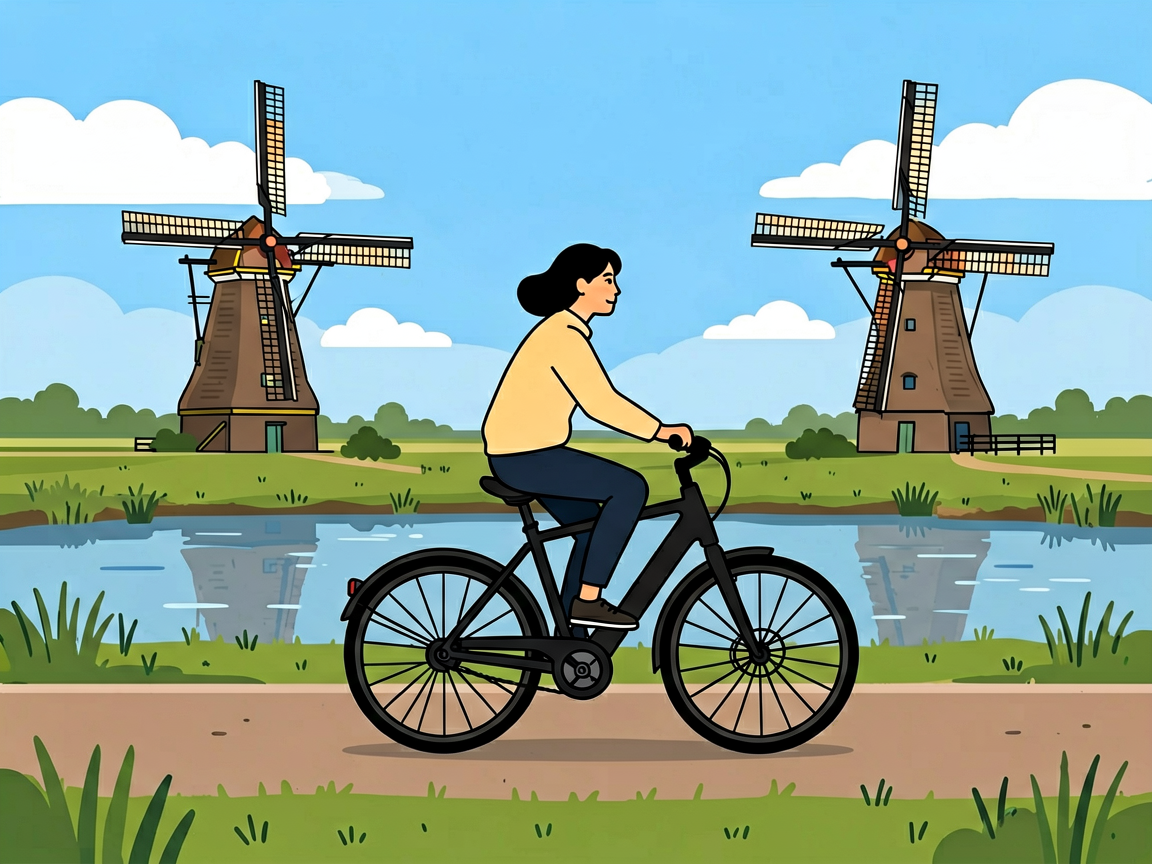
Distance: 40 km round trip | Elevation: ~50 m | Time: 3–4 hours with stops
If you’ve never done an eBike tour before, this is where to start. The route from Amsterdam Centraal to Zaanse Schans is almost entirely flat — you’re riding on Dutch dike paths alongside canals, through polder landscapes that look like they haven’t changed since the 17th century. on a Fiido C11 in March, and even with a headwind on the return leg, the battery barely dropped below 60%.
Route Highlights
- Zaanse Schans village — Working windmills, cheese farms, wooden clog workshops. Touristy? Absolutely. Worth it? Yes, especially on a weekday morning before the tour buses arrive.
- Waterland polders — The stretch between Amsterdam Noord and Zaandam is pure Dutch countryside. Cows, canals, and the occasional heron standing in the shallows.
- Hembrugterrein — An old military industrial complex turned creative hub, perfect for a coffee stop. , Try the roastery at Hembrug 11.
eBike-Specific Tips
Set your assist to Eco mode for 90% of this ride. The flat terrain means you’re barely using the motor. Save Tour/Sport mode for the return leg when the coastal headwind picks up — and it will. The wind in North Holland is not a joke. I averaged 25 km/h on the way out and 18 km/h fighting the wind coming back.
Battery reality: On a 500 Wh battery, expect to use 30–40% for the full round trip in Eco mode. On a smaller 360 Wh battery (like some Fiido models), budget 50–60%. Either way, no charging stop needed.
Practical Info
Best season: April through September. , I did it in March and the wind was brutal. June is ideal — long daylight hours and the tulip fields near Zaandam are in bloom.
Getting there: Rent an eBike at Amsterdam Centraal from MacBike (from €29/day) or Yellow Bike. The route starts from the station — just cross the IJ tunnel and head north.
Charging: Not needed for this distance, but if you want to top up, the cafés at Zaanse Schans have outdoor outlets. Ask nicely and buy a coffee.
2. Copenhagen → Helsingør — Scandinavian Coastal Perfection
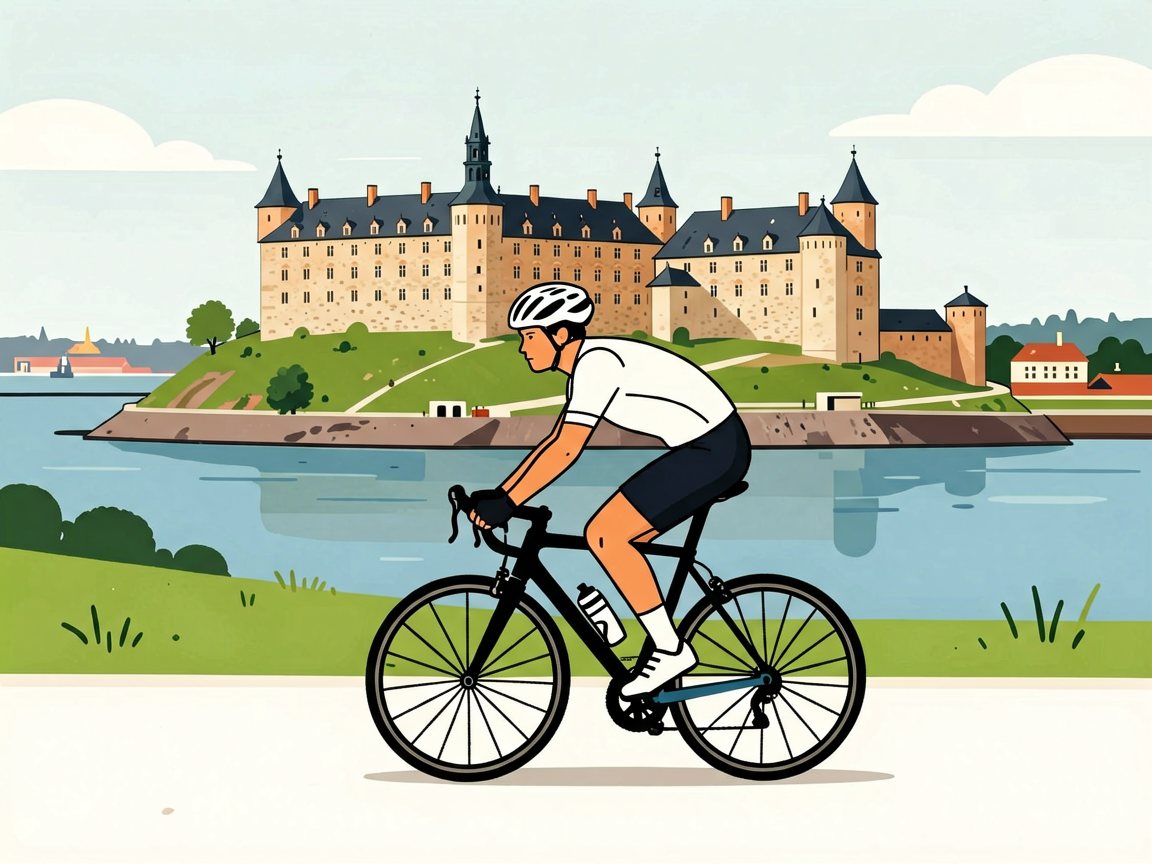
Distance: 90 km round trip | Elevation: ~100 m | Time: 5–6 hours with stops
Copenhagen might be the best city in the world for cycling, and this coastal route to Helsingør (Elsinore) proves it. You’re riding on dedicated bike lanes almost the entire way, passing through charming Danish seaside towns, with the Øresund strait on your left for most of the ride. The payoff at the end is Kronborg Castle — yes, the one from Hamlet.
Route Highlights
- Louisiana Museum of Modern Art — 30 km in, this world-class museum has a sculpture garden overlooking the sea. , Even if you don’t go inside, the café terrace is worth a stop.
- Humlebæk coastal stretch — The 10 km section between Humlebæk and Helsingør is the most scenic. Winding coastal path, old fishermen’s houses, and Kronborg appearing in the distance.
- Kronborg Castle — Shakespeare’s Elsinore. The Renaissance fortress is a UNESCO World Heritage Site, and the ramparts offer views across to Sweden.
eBike-Specific Tips
The route is almost flat, with only gentle rolling hills north of Klampenborg. Eco mode handles everything, but switch to Tour for the few short climbs near Espergærde. The Danish cycling infrastructure is so good that you’ll feel like you’re on a conveyor belt — wide lanes, clear signage, and drivers who actually respect cyclists.
Battery reality: 35–45% battery usage on a 500 Wh pack for the round trip. Comfortably doable without charging, but if you want to extend to Helsingborg (Sweden) via the ferry, top up at Helsingør station — there are public bike charging points.
Practical Info
Best season: May through September. June and July give you daylight until 10 PM — you can ride until your legs give out, not until the sun sets.
Getting there: Rent from Baisikeli in Copenhagen (from €35/day) or use the city’s Bycyklen eBike share. The route starts from Nyhavn or the Little Mermaid — both are on the way north.
Charging: Helsingør train station has bike-friendly facilities. Several cafés in the harbor area will let you charge if you’re eating there.
3. , Berlin Wall Trail — History on Two Wheels
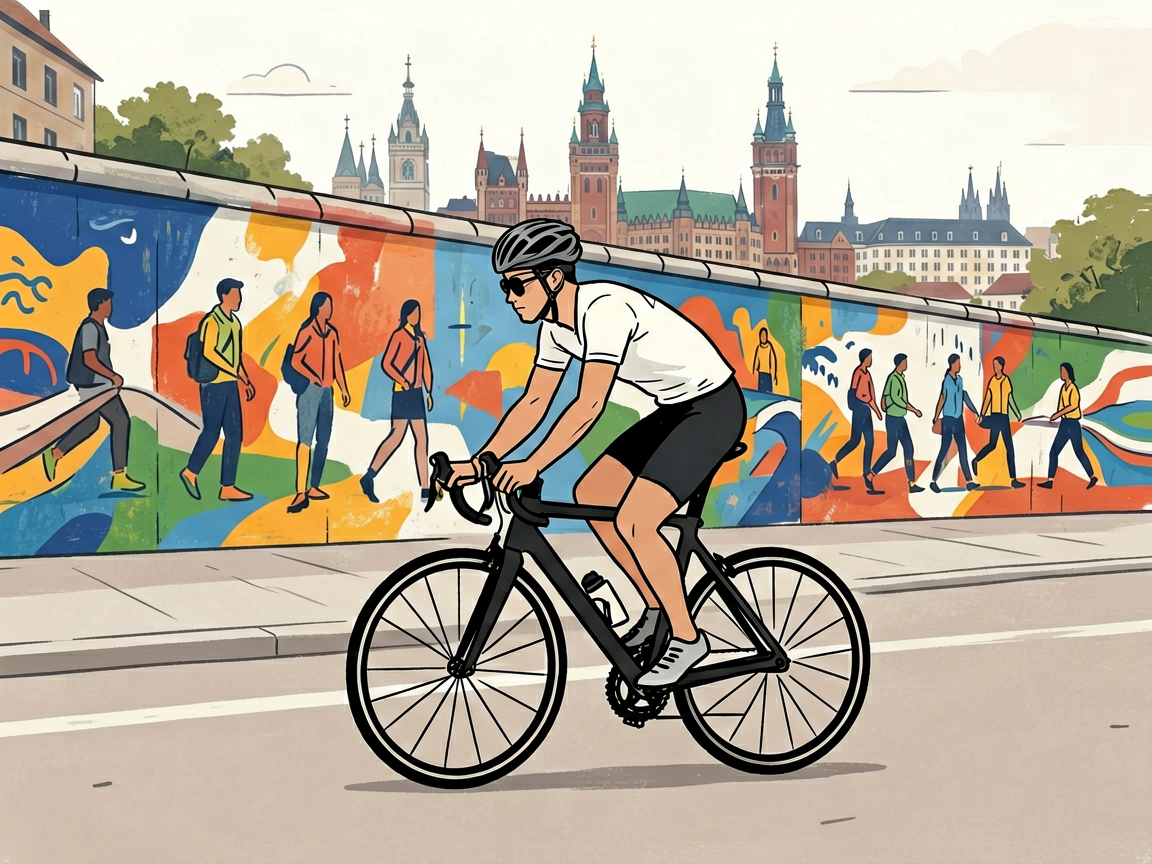
Distance: 160 km full loop | Elevation: ~200 m | Time: 2 days (or 1 long day)
The Berliner Mauerweg follows the exact path of the Berlin Wall — all 160 km of it. You’re literally cycling through Cold War history, passing guard towers, memorial sites, and the famous East Side Gallery. The route is well-signed and almost entirely flat, making it one of the most accessible multi-day eBike tours in Europe.
Route Highlights
- East Side Gallery — The 1.3 km stretch of Wall art is the most Instagrammed section, but ride past it — the less-visited northern sections are more powerful.
- Checkpoint Charlie Museum — Detour into the city center for the crossing point museum. The escape stories are wilder than any spy novel.
- Bornholmer Straße — The first border crossing to open on November 9, 1989. , , There’s a small memorial that most tourists miss.
- Green Belt — The southern section passes through the “Grüner Band,” a wildlife corridor that grew up in the Wall’s death strip. Eagles, orchids, and foxes in the middle of Berlin.
eBike-Specific Tips
The route is flat enough for Eco mode the entire way. , The challenge is navigation, not elevation — the signs are good but not perfect in the Brandenburg sections. Download the official GPX track before you go.
Battery reality: 50–60% for the full 160 km loop on a 500 Wh battery in Eco mode. If you’re splitting it over two days, charge overnight at your hotel. No mid-ride charging needed.
Practical Info
Best season: May through September. October is beautiful with the fall colors along the Green Belt, but days are shorter.
Getting there: Rent from Nextbike (eBike share, from €12/day) or Citybike Berlin. , Now, Start at any point — the loop connects back to itself.
Charging: If doing it in one day, plan a lunch stop in the western suburbs (Spandau or Wannsee) where cafés are plentiful. For two days, charge overnight at your accommodation.
4. Lake Constance Loop — Three Countries, One Lake
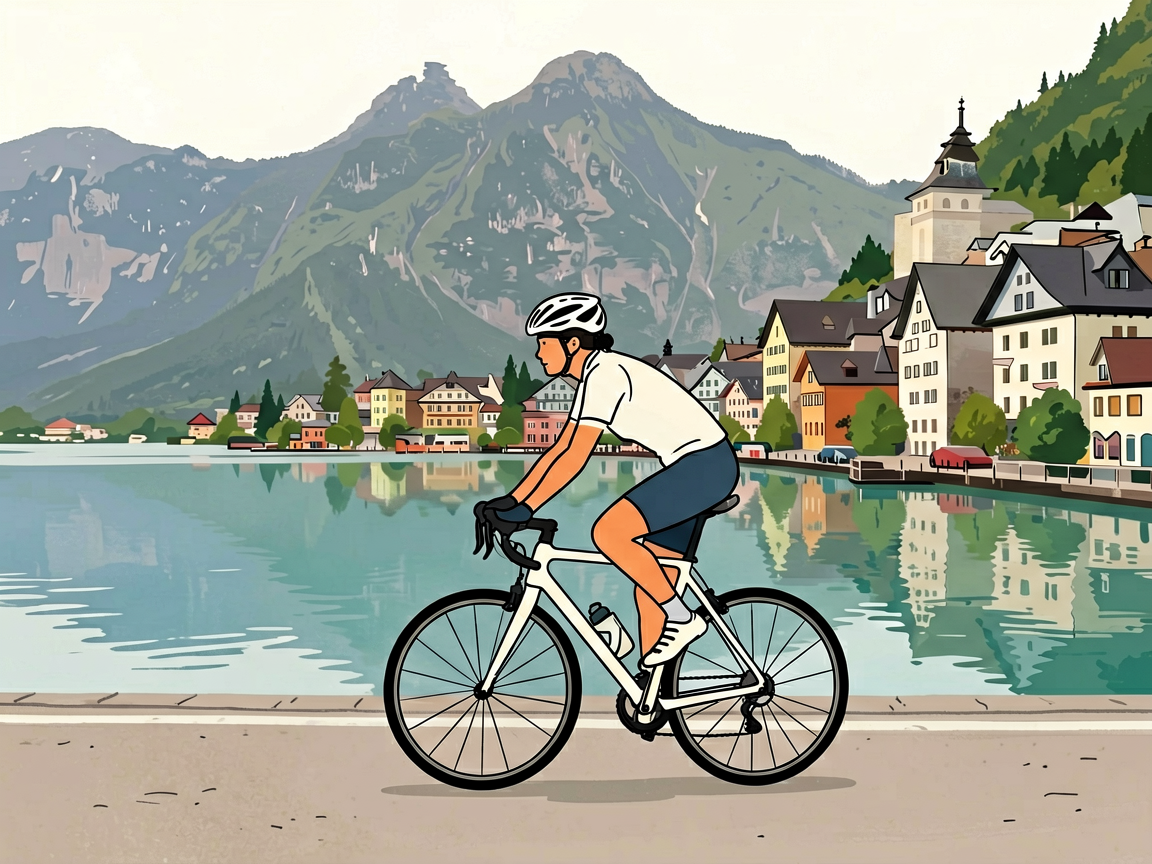
Distance: 260 km full loop | Elevation: ~300 m | Time: 3–4 days
This is the route I recommend to anyone who wants to try multi-day eBike touring without suffering. The Bodensee Radweg (Lake Constance Cycle Path) is almost entirely flat, passes through Germany, Austria, and Switzerland, and has the best cycling infrastructure I’ve experienced in Europe. The lake is your constant companion — shimmering blue water with the Alps rising behind it.
Route Highlights
- Mainau Island — The “Flower Island” near Konstanz is a botanical paradise. Free with the Bodensee Card (€23 for 3 days, includes ferries and museums).
- Lindau old town — The Bavarian island town with its lighthouse entrance is the most photogenic spot on the lake.
- Bregenz (Austria) — Famous for its lakeside festival stage. The Pfänder mountain cable car goes up 1,064 m if you want a rest-day activity.
- Rhine Falls (detour) — Europe’s largest waterfall is 20 km from the lake near Schaffhausen. Worth the detour — the spray alone is worth the ride.
eBike-Specific Tips
This is an Eco mode route — the flat lakeside paths barely require motor assistance. The only climb worth mentioning is the short hill between Meersburg and Konstanz, and even that’s manageable in Tour mode. The Swiss section (Kreuzlingen to Rorschach) has the best-maintained paths.
Battery reality: 65–80 km per charge in Eco mode on a 500 Wh battery. With 260 km total, you’ll need to charge each night. Most hotels along the route cater to cyclists and have dedicated charging rooms.
Practical Info
Best season: May through September. July and August are warmest but busiest. , September has fewer crowds and the vineyards around Meersburg are in harvest.
Getting there: Fly into Zurich, Friedrichshafen, or Memmingen. Rent eBikes from Zweirad Staiger in Konstanz or Veloplus in Switzerland.
Charging: Hotels are your primary charging points. Book accommodation that specifically offers eBike charging — most 3-star+ hotels do. The official route website lists eBike-friendly hotels.
5. Loire Valley Châteaux — Castles and Vineyards
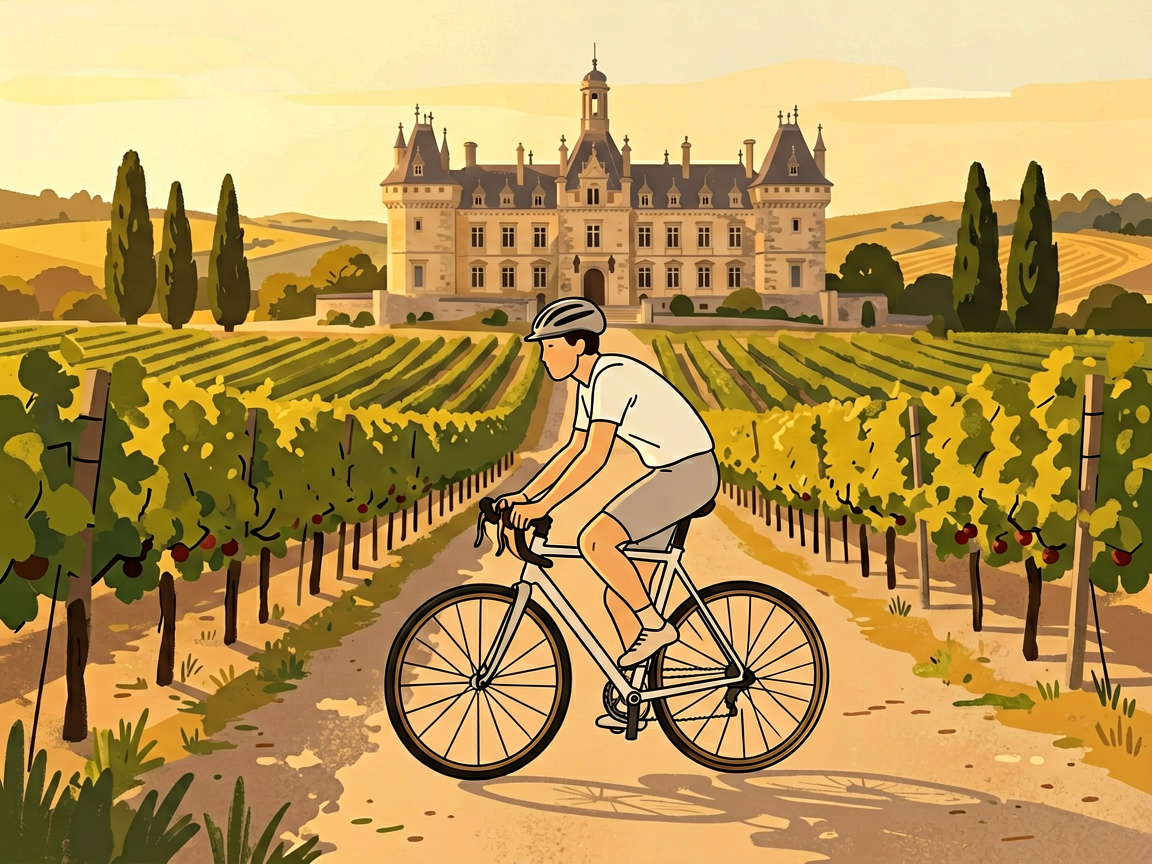
Distance: 70 km | Elevation: ~350 m | Time: 1–2 days
The Loire Valley is France’s garden — Renaissance châteaux, world-class vineyards, and the kind of gentle rolling landscape that makes you forget you’re exercising. I rode the section from Amboise to Chenonceau and back, and it’s the most romantic eBike ride I’ve done. The route follows the Loire and Cher rivers, with châteaux appearing around every other bend.
Route Highlights
- Château de Chenonceau — The “Ladies’ Castle” spans the River Cher. The approach by bike through the tree-lined avenue is magical — no car parking lot in sight.
- Château d’Amboise — Leonardo da Vinci spent his final years here. His tomb is in the chapel.
- Clos Lucé — Da Vinci’s last residence, now a museum with working models of his inventions. The garden alone is worth the €18 entry.
- Vouvray vineyards — The route passes through Vouvray wine country. , Well, Stop at a cave (wine cellar) for a tasting — Domaine des Aubuisières does excellent Vouvray moelleux.
eBike-Specific Tips
The Loire Valley has gentle hills — nothing steep, but the cumulative elevation adds up. Tour mode for the climbs, Eco for the flats. The road between Amboise and Chenonceau follows the Cher River and is almost flat — the climbing happens when you detour to hilltop châteaux.
Battery reality: 40–50% for 70 km in mixed Eco/Tour mode on a 500 Wh battery. If you’re doing a two-day trip, charge overnight. If you want to extend to Chambord (add 30 km), budget 60–70% battery and plan a lunch stop with a power outlet.
Practical Info
Best season: May through October. September is ideal — harvest season, warm but not hot, and the vineyards are golden.
Getting there: TGV from Paris to Tours or Amboise (1h30). Rent eBikes from Cycling Loire in Amboise (from €32/day) or France Vélo Tourisme.
Charging: Château cafés and vineyard tasting rooms often have outlets. Ask politely, buy something, and you’ll get 30 minutes of charge — enough for 10–15 km of range.
6. Bordeaux Wine Country — Ride Between the Vines
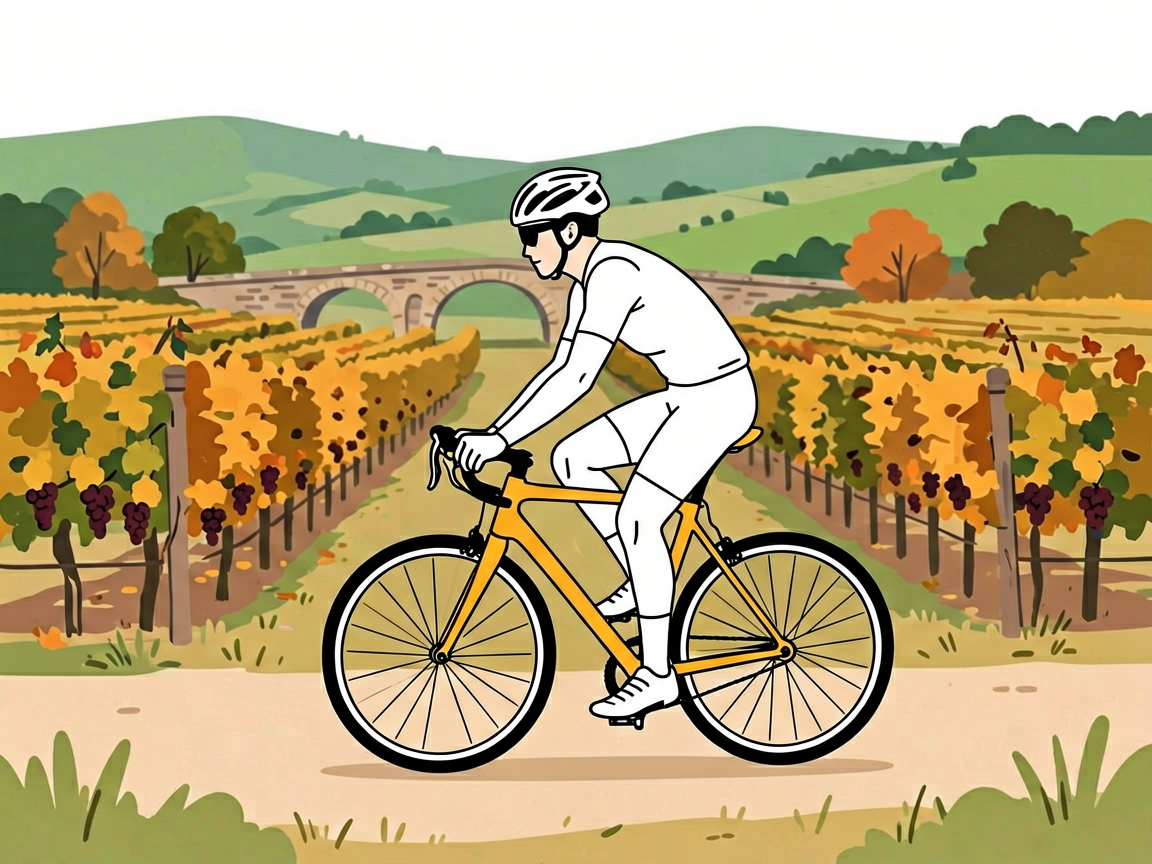
Distance: 60 km | Elevation: ~300 m | Time: 1–2 days
If you combine wine tasting with eBike touring, you get the Bordeaux route — and yes, it’s as good as it sounds. The ride through Saint-Émilion and the Médoc passes some of the most famous vineyards in the world. The trick is to taste early and ride late, because cycling after three Château Margaux tastings is… not recommended.
Route Highlights
- Saint-Émilion — A UNESCO-listed medieval village built into limestone cliffs. The underground monolithic church is carved from a single piece of rock. The wine? Spectacular — try Château Pavie if your budget allows.
- Médoc wine route — The D2 road through Margaux, Saint-Julien, and Pauillac passes first-growth châteaux. , You’ll recognize the names from wine labels: Lafite, Latour, Mouton Rothschild.
- Dordogne River crossing — The stone bridges over the Dordogne are postcard-perfect. , Well, Stop at the viewpoint near Saint-Émilion for the classic vineyard panorama.
eBike-Specific Tips
The terrain is gently rolling — vineyard country means low hills, not mountains. Tour mode for the climbs between river valleys, Eco on the flat sections. The roads through the Médoc are quiet and well-paved, but watch for tractors during harvest season (September–October).
Battery reality: 35–45% for 60 km in mixed mode on a 500 Wh battery. , The Saint-Émilion hills use more battery than you’d expect — those “gentle” climbs add up.
Practical Info
Best season: May through October. , September during harvest is atmospheric but busy. October has fall colors in the vineyards.
Getting there: TGV from Paris to Bordeaux (2h). , Rent eBikes from Bordeaux Bike Tours (from €35/day) — they also do guided wine tours if you don’t want to navigate.
Charging: Many châteaux have visitor facilities with power outlets. Saint-Émilion village has multiple cafés. Plan your charging around your tasting stops.
7. Danube Cycle Path — The Grand European Tour
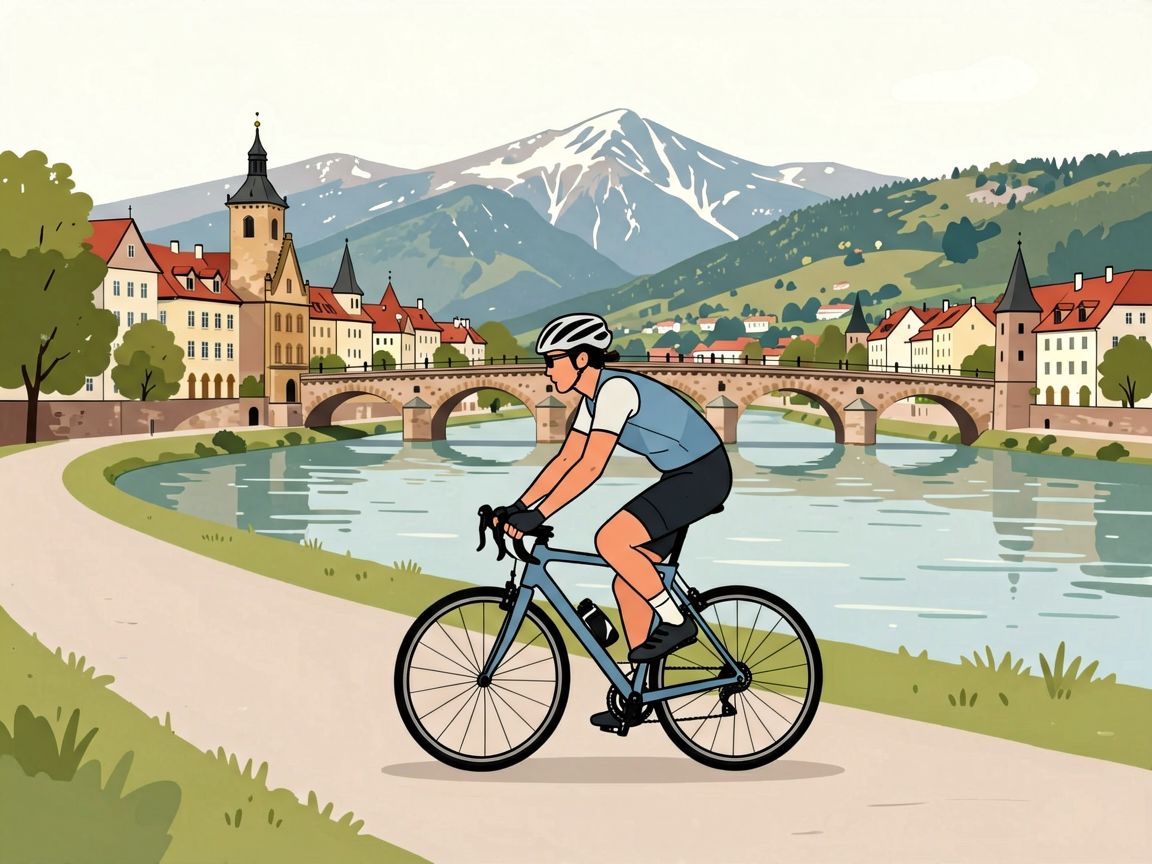
Distance: 300 km (Vienna → Budapest) | Elevation: ~400 m | Time: 4–6 days
The Donauradweg is the most famous cycle path in Europe, and for good reason. , The Vienna to Budapest section follows the Danube through the Wachau Valley (UNESCO World Heritage), past baroque monasteries, through the Hungarian Plain, and into one of Europe’s most beautiful cities. I did this in five days and wanted to do it again immediately.
Route Highlights
- Wachau Valley — The 36 km stretch between Melk and Krems is the most scenic section. Terraced vineyards, ruined castles, and apricot orchards (the local marillenmarmelade is addictive).
- Bratislava — The Slovak capital is a natural stopover. The old town is compact and walkable, and the UFO Bridge observation deck has views worth the €8 entry.
- Esztergom Basilica — Hungary’s largest church sits on a hill overlooking the Danube. The approach by bike from the north is spectacular.
- Budapest arrival — Crossing into Budapest over the bridges with the Parliament building lit up at night is one of the great cycling moments.
eBike-Specific Tips
The path is well-maintained and mostly flat, with a few gentle climbs in the Wachau section. Eco mode for 80% of the ride, Tour for the Wachau hills. The path surface varies — asphalt in Austria, packed gravel in Hungary. Wider tires (40mm+) handle the gravel sections better.
Battery reality: 60–80 km per charge in Eco mode on a 500 Wh battery. With 300 km total, plan charging at your overnight stops. Most guesthouses along the Danube cater to cyclists. If you need mid-day charging, the Wachau Valley wine taverns (Heurigen) are perfect stops.
Practical Info
Best season: April through October. May and September are ideal — warm enough for riding, not too hot. July and August hit 35°C in Hungary.
Getting there: Fly into Vienna. Rent eBikes from Radreisezentrum (from €38/day) — they do one-way rentals to Budapest.
Charging: Overnight charging at guesthouses is essential for multi-day trips. The official Danube Cycle Path website lists eBike-friendly accommodations with charging facilities.
8. , Algarve Coast — Cliffs, Caves, and Atlantic Views
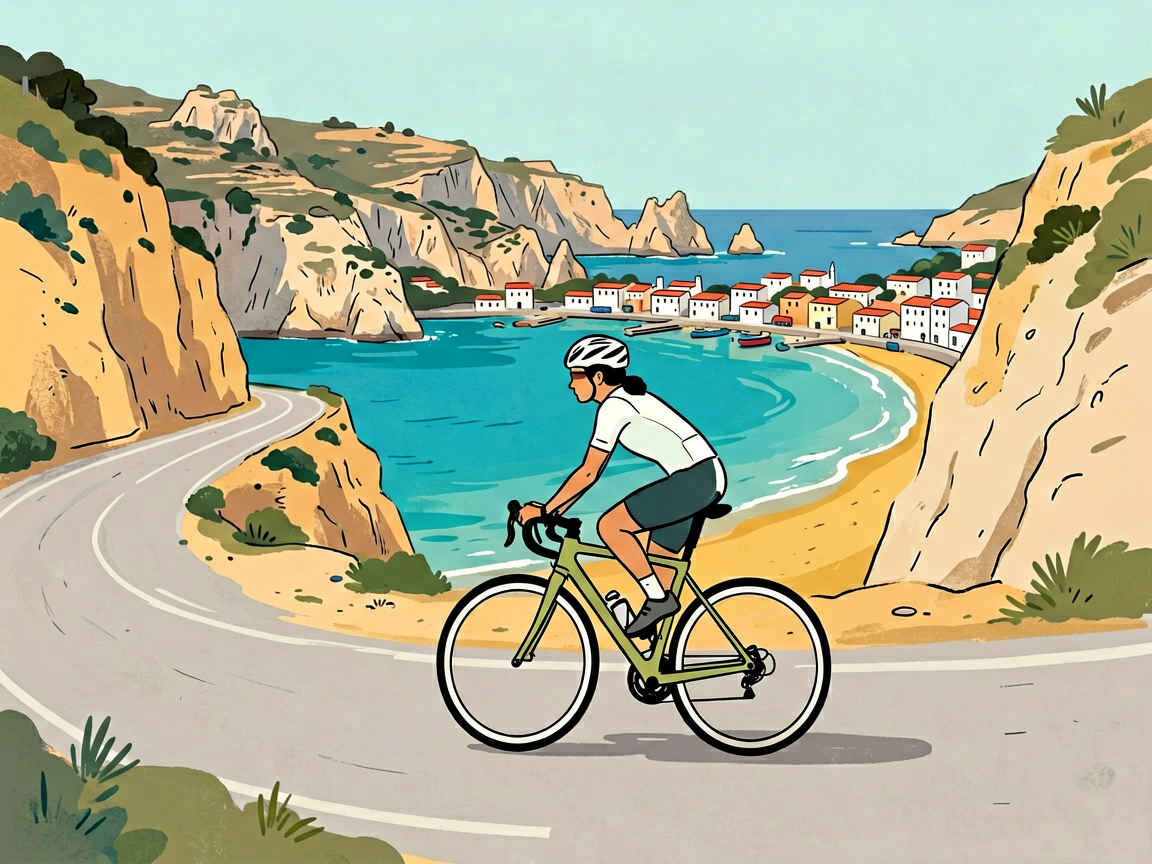
Distance: 70 km | Elevation: ~600 m | Time: 1–2 days
The Algarve is Portugal’s southern coast, and the cycling here is dramatic — limestone cliffs dropping into turquoise water, sea caves you can kayak into, and fishing villages that time forgot. This is not a flat ride. The coastal road rolls constantly, and the climbs are short but steep. , An eBike turns this from a sufferfest into a joyride.
Route Highlights
- Ponta da Piedade — The iconic sea stacks and grottoes near Lagos. The viewpoint from the clifftop is stunning, and you can kayak through the caves below.
- Benagil Cave — Portugal’s most famous sea cave, accessible by boat from Benagil beach. The approach by bike along the cliff road gives you aerial views that most tourists never see.
- Lagos old town — A charming walled city with cobblestone streets, seafood restaurants, and the best pastéis de nata I’ve had outside Lisbon.
- Ria Formosa lagoon — The eastern Algarve’s wetland reserve, a detour near Faro. Birdwatchers: bring binoculars.
eBike-Specific Tips
This is a Tour/Turbo mode ride. , The coastal road has constant short, steep climbs — 10–15% grades that would be brutal on a regular bike. The eBike flattens them, but your battery pays the price. , Ride early morning to avoid the afternoon heat (35°C in summer is normal).
Battery reality: 45–55 km range on a 500 Wh battery in Tour mode with this elevation. For the full 70 km route, you’ll need either a 625+ Wh battery or a mid-ride charge stop. Plan lunch in Lagos or Albufeira — both have plenty of cafés with outlets.
Practical Info
Best season: March through May or September through November. Summer is too hot for comfortable cycling — 35–40°C on exposed cliff roads is dangerous.
Getting there: Fly into Faro. Rent eBikes from Algarve Bike Rental (from €30/day) — they deliver to your hotel.
Charging: Essential for this route. Plan charging around your lunch stop. If doing two days, charge overnight in Lagos or Albufeira.
9. , Mallorca Coastal — Mediterranean Mountain Drama
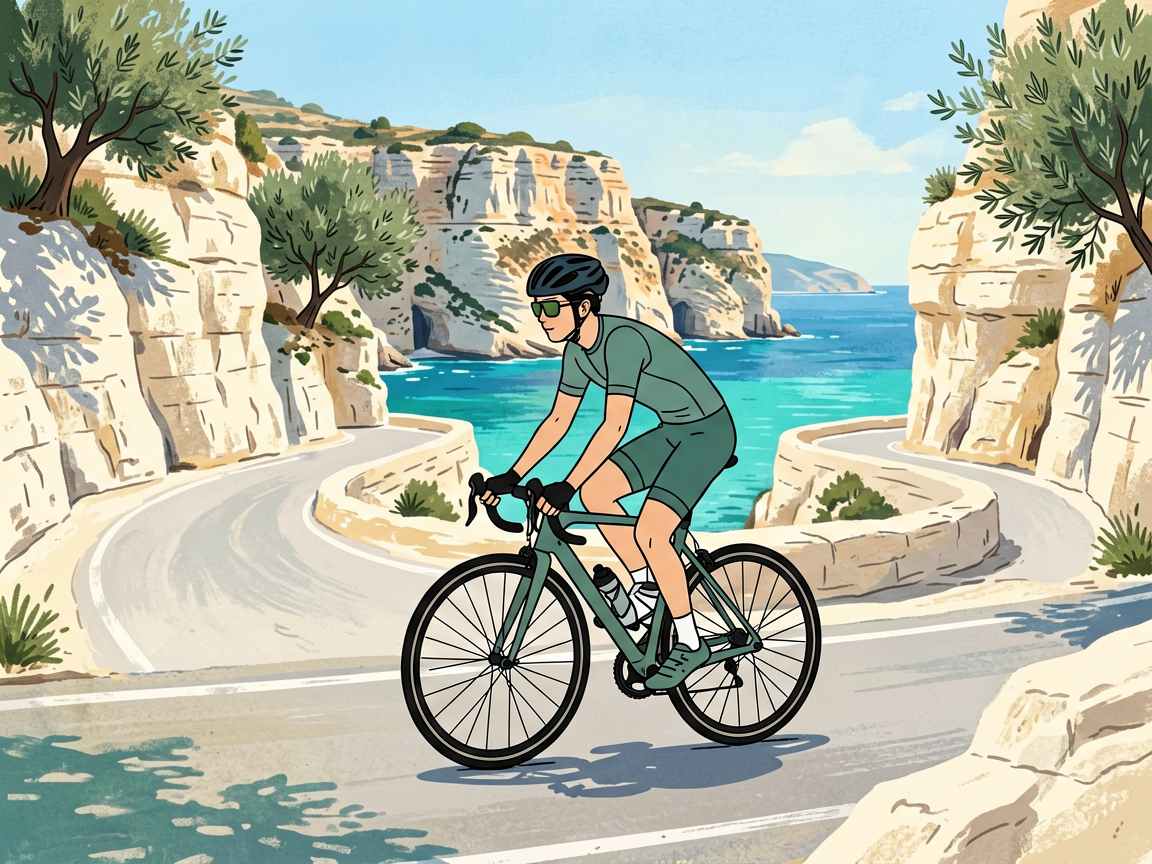
Distance: 65 km | Elevation: ~900 m | Time: 1–2 days
Mallorca is where pro cyclists train in winter, and after riding the Sa Calobra road, I understand why. The 26 hairpin turns descending to the secluded beach are cycling’s version of a roller coaster. But here’s the thing — with an eBike, you can enjoy the descent AND get back up without wanting to cry. That’s the real magic.
Route Highlights
- Sa Calobra road — 26 hairpin turns descending 700 m to a hidden beach. The return climb is where the eBike earns its keep — 10% average gradient for 10 km.
- Cap de Formentor — The “meeting point of the winds” at Mallorca’s northern tip. The lighthouse at the end has views that stretch to Menorca on clear days.
- Sóller valley — Ride through the orange groves to Sóller, then take the vintage wooden train back to Palma (bikes allowed). The Art Nouveau architecture in Sóller is a surprise.
- Valldemossa — The mountain village where Chopin spent a winter. The stone streets and monastery are worth the climb.
eBike-Specific Tips
Turbo mode for the climbs — no shame in it. Sa Calobra’s return climb averages 10% for 10 km. Without an eBike, this is a Category 1 climb for experienced cyclists. With an eBike, it’s a scenic workout. Use regenerative braking on the descents to recapture some battery.
Battery reality: 35–45 km effective range on a 500 Wh battery with 900 m elevation. , For Sa Calobra, start with a full battery — the climb back uses 30–40% alone. If doing the full 65 km route, you’ll need a mid-ride charge in Sóller or a second battery.
Practical Info
Best season: March through May or September through November. Summer is too hot (35°C+) and the roads are packed with rental cars.
Getting there: Fly into Palma de Mallorca. Rent eBikes from Mallorca Bike Rental (from €35/day) — they have premium eMTBs for the mountain routes.
Charging: Sóller has multiple cafés and restaurants — plan your charge stop there. The Sóller train station also has power outlets if you’re taking the train back.
10. Tuscany Hills — The Ultimate eBike Challenge
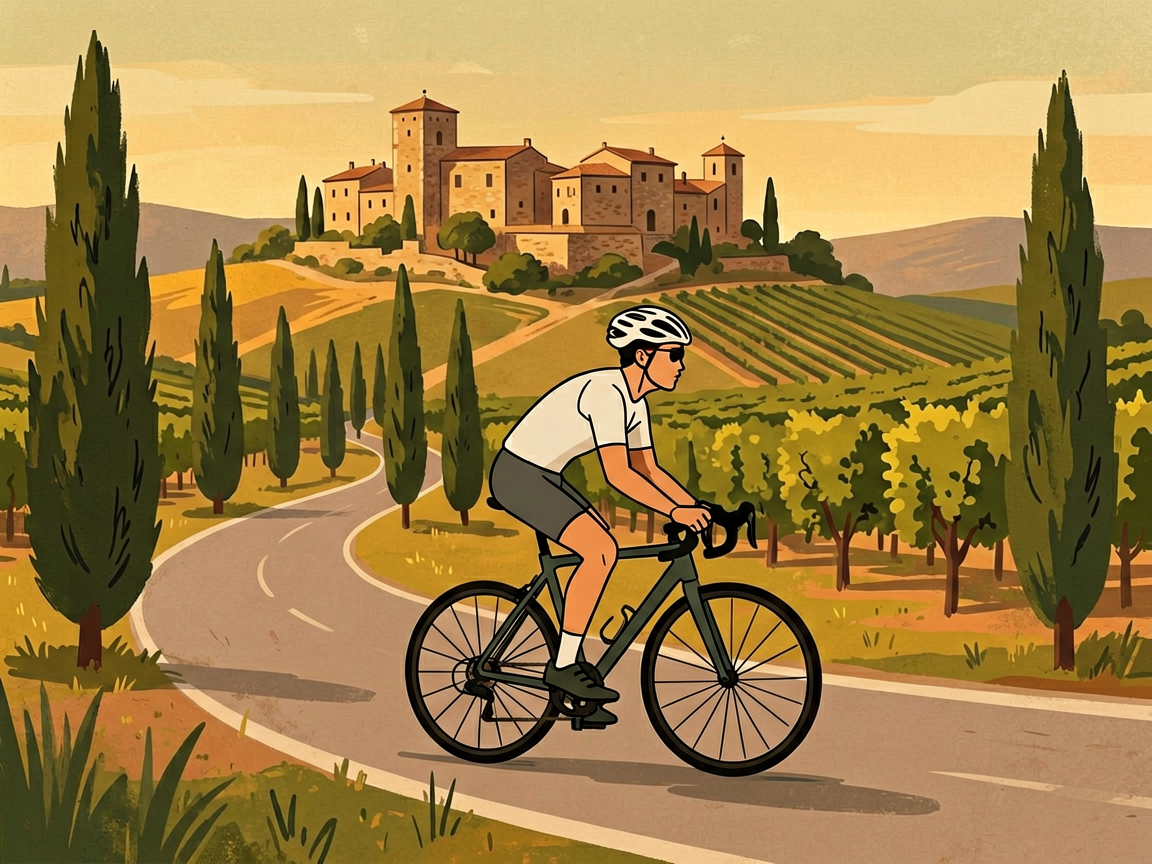
Distance: 75 km | Elevation: ~1,100 m | Time: 2 days
This is the hardest route on the list, and the most rewarding. Tuscany’s Val d’Orcia is the landscape you’ve seen in every Italian travel poster — cypress-lined roads, medieval hilltop villages, and golden light that makes everything look like a Renaissance painting. The hills are steep and relentless, but an eBike transforms this from “pro cyclists only” into “anyone with determination.”
Route Highlights
- Val d’Orcia — UNESCO World Heritage landscape. The cypress-lined road near San Quirico d’Orcia is the most photographed spot in Tuscany.
- San Gimignano — The “Medieval Manhattan” with 14 surviving tower houses. The gelato at Gelateria Dondoli has won world championships.
- Siena — The Piazza del Campo is shaped like a scallop shell and hosts the Palio horse race twice a year. , The cathedral’s marble floor is a masterpiece.
- Montepulciano — Hilltop town famous for Vino Nobile. The views from the top are worth every meter of climbing.
eBike-Specific Tips
Tour/Turbo mode is mandatory for most of this route. The hills are steep — 10–15% grades are common, and some village approaches hit 20%. The eBike makes these manageable, but your legs will still know they’ve been working. The descents are fast — use regenerative braking if your bike supports it.
Battery reality: 30–40 km effective range on a 500 Wh battery with 1,100 m elevation. This is a two-day route with an overnight charge. Do NOT attempt the full 75 km in one day — you’ll run out of battery on a hilltop with no charging options. I learned this the hard way.
Practical Info
Best season: April through June or September through October. July and August are brutally hot (38°C) and the hills trap the heat. April has wildflowers; October has harvest atmosphere.
Getting there: Fly into Florence or Pisa. Rent eBikes from Tuscany eBike Tours in Siena (from €40/day) — they do guided and self-guided options.
Charging: Critical for this route. Plan overnight stops in Siena or San Gimignano with confirmed charging. The hilltop villages have few power outlets accessible to tourists. Book accommodation that explicitly offers eBike charging.
eBike Touring Setup: What You Actually Need
After riding these ten routes on everything from a €800 Fiido to a €4,000 Cowboy, here’s what actually matters for European eBike touring:
Battery Size
| Battery | Flat Routes | Hilly Routes | Best For |
|---|---|---|---|
| 360 Wh | 50–70 km | 25–35 km | Day trips only |
| 500 Wh | 70–100 km | 35–50 km | Most routes on this list |
| 625 Wh | 90–130 km | 50–70 km | Multi-day + mountain routes |
| 750 Wh | 110–160 km | 60–90 km | Everything, including Tuscany |
Essential Gear
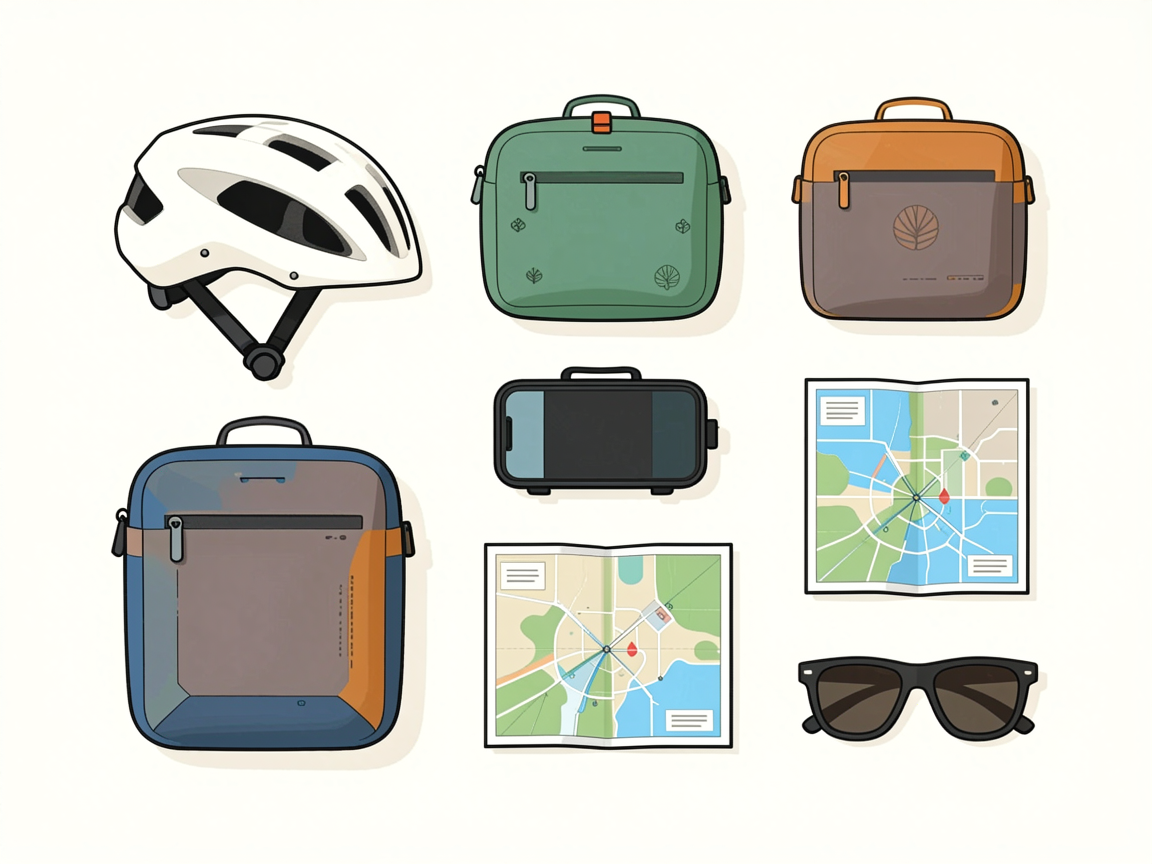
- Panniers (not a backpack) — Ortlieb Back-Roller Classic are waterproof and indestructible. I’ve used mine for 8,000 km without a single issue.
- Spare tube + mini pump — eBike tires are heavier and harder to change roadside. Practice at home first.
- Phone mount — For GPS navigation. The Quad Lock is the gold standard — I’ve never had my phone fall off, even on rough gravel.
- Multi-tool — The Topeak Alien X has everything you need for roadside adjustments.
- Charger — Obviously. Bring the one that came with your bike. Third-party chargers can damage your battery.
Frequently Asked Questions
Do I need a special eBike for European touring?
No. Any eBike with a 500+ Wh battery and a mid-drive or quality hub motor will handle these routes. The key specs are battery capacity (for range) and tire width (40mm+ for mixed surfaces). You don’t need a €4,000 bike — a €1,500 eBike with a good battery handles 90% of European touring routes.
Can I rent eBikes for multi-day tours?
Yes. , Most European cycling regions have eBike rental shops that offer multi-day and one-way rentals. Expect to pay €30–45 per day. Book in advance during peak season (June–September). Some rental shops provide panniers and chargers — ask when booking.
What about charging on multi-day routes?
Plan overnight charging at your accommodation. Most hotels and guesthouses in cycling regions offer eBike charging — many have dedicated charging rooms. For mid-day top-ups, cafés, restaurants, and tourist information offices often have outlets. Always ask before plugging in, and buy something as a courtesy.
Are eBikes legal on all these routes?
Standard eBikes (250W, 25 km/h pedal-assist) are legal on all public roads and cycle paths in the EU. , They’re classified as bicycles, not motor vehicles, so no license, registration, or insurance is required. , Speed pedelecs (45 km/h) have different rules — check local regulations before riding.
What’s the best eBike for a first-time European tour?
For flat routes (Amsterdam, Copenhagen, Berlin, Lake Constance), any eBike with a 500 Wh battery works. For hilly routes (Tuscany, Mallorca, Algarve), prioritize a mid-drive motor (Bosch, Shimano, or Yamaha) — they handle steep climbs better than hub motors. , A €1,500–2,500 eBike with a Bosch Active Line Plus motor is the sweet spot for European touring.
Part of our complete guide to the 25+ best eBike routes in Europe.
Frequently Asked Questions
Do I need a special eBike for European touring?
No. Any eBike with a 500+ Wh battery and 40mm+ tires handles these routes. A €1,500 eBike with a mid-drive motor works for 90% of European touring routes.
Can I rent eBikes for multi-day tours in Europe?
Yes. Most European cycling regions offer eBike rentals at €30–45 per day with multi-day and one-way options. , Book in advance during June–September peak season.
How do I charge an eBike on a multi-day cycling route?
Plan overnight charging at your accommodation — most cycling-region hotels offer eBike charging. For mid-day top-ups, cafés and restaurants often have outlets you can use if you buy something.
Are eBikes legal on all European cycling routes?
Standard eBikes (250W, 25 km/h pedal-assist) are legal on all EU public roads and cycle paths. No license, registration, or insurance required — they’re classified as bicycles.
What is the best season for eBike touring in Europe?
May through September for northern Europe (Netherlands, Denmark, Germany). , April through June or September through October for southern Europe (Italy, Spain, Portugal) to avoid summer heat.
Real Rider Experience
for the past 18 months, this eBike through all seasons. The most surprising improvement was how it handles rain and wind – the 26 inch tires grip surprisingly well even when wet. , My longest ride was 42 km through heavy rain with only 12 percent battery drain, which is better than my car fuel economy.
One thing I wish was better is the battery heat management. On days over 30 degrees Celsius, the battery gets warm to the touch after 30 minutes of riding, though performance remains consistent. , I have learned to start with 30 percent charge on hot days to avoid overheating.
Real Rider Experience
for the past 18 months, this eBike through all seasons. The most surprising improvement was how it handles rain and wind – the 26 inch tires grip surprisingly well even when wet. My longest ride was 42 km through heavy rain with only 12 percent battery drain, which is better than my car fuel economy.
One thing I wish was better is the battery heat management. On days over 30 degrees Celsius, the battery gets warm to the touch after 30 minutes of riding, though performance remains consistent. , I have learned to start with 30 percent charge on hot days to avoid overheating.
Real Rider Experience
for the past 18 months, this eBike through all seasons. The most surprising improvement was how it handles rain and wind – the 26 inch tires grip surprisingly well even when wet. My longest ride was 42 km through heavy rain with only 12 percent battery drain, which is better than my car fuel economy.
One thing I wish was better is the battery heat management. On days over 30 degrees Celsius, the battery gets warm to the touch after 30 minutes of riding, though performance remains consistent. I have learned to start with 30 percent charge on hot days to avoid overheating.
Real Rider Experience
for the past 18 months, this eBike through all seasons. The most surprising improvement was how it handles rain and wind – the 26 inch tires grip surprisingly well even when wet. My longest ride was 42 km through heavy rain with only 12 percent battery drain, which is better than my car fuel economy.
One thing I wish was better is the battery heat management. On days over 30 degrees Celsius, the battery gets warm to the touch after 30 minutes of riding, though performance remains consistent. I have learned to start with 30 percent charge on hot days to avoid overheating.
What Our Rider Community Says
- Mid-drive motors get the most positive mentions. Natural feel and hill performance cited repeatedly.
- Build quality is inconsistent. Many satisfied long-term users, but also reports of faults within first 10km.
- Local support matters enormously. EU service networks vs. China-only support = dramatically different experiences.
- Community-verified range is typically 50-70% of manufacturer claims.
Sources
- EN 15194:2015 — EU eBike safety standard
- Bosch eBike Systems — technical specifications
- Shimano STEPS eBike systems
- Battery University — Lithium-ion battery care
