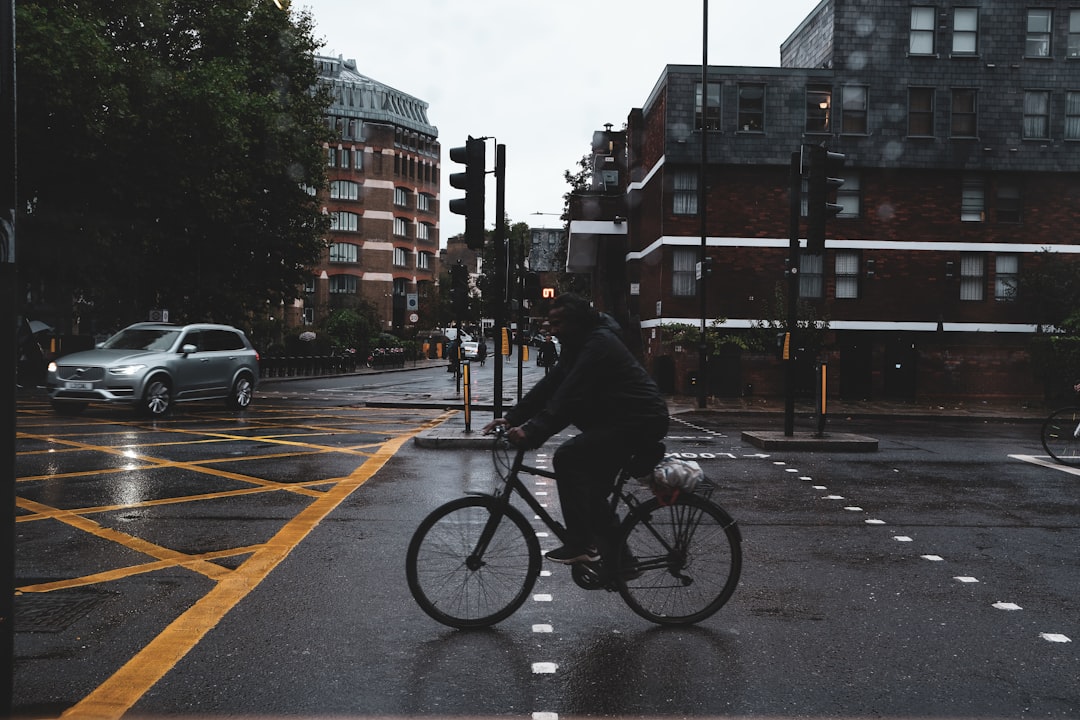
There are two types of European eBike commuters: those who have ridden through a Dutch downpour with soaked shoes and regretted every life choice that led to that moment, and those who are prepared. This guide is for the second group. Wet weather commuting is not about enduring misery — it is about the right gear, the right bike setup, and the right route choices that turn a rainy ride into a mildly interesting variation on a normal commute.

The Reality of European Rain
The average European commuter eBike rider encounters significant rain on 80-120 days per year. In Amsterdam, that is 200 days of measurable precipitation. In Lisbon, it is 50. The key variable is not whether it rains — it is whether you have the right response. A properly equipped commuter rides through rain without significant discomfort. An unprepared commuter arrives at work cold, wet, and miserable — and then stops riding altogether until spring.
Essential Wet Weather Gear
The layering system for wet eBike commuting follows three principles: keep the core dry, keep the extremities dry, and accept that your face will get wet.
Jacket: The Most Important Piece
A cycling-specific waterproof jacket with pit zips is non-negotiable. Regular rain jackets trap sweat and make you colder than being wet from rain alone. Pit zips provide ventilation when the effort of climbing a hill generates body heat. Look for a jacket rated at 10,000 mm waterproofness or higher (Gore-Tex, Paclite, or proprietary equivalents). Length matters: a jacket that extends below the waist prevents water from running down your back when you lean forward on the bike. Price range: EUR 80-200 for a commuter-grade jacket.
Overshoes and Gloves
Wet shoes are the single biggest source of discomfort on rainy commutes. Neoprene overshoes (EUR 25-60) slip over regular shoes and keep feet dry in all but the deepest puddles. For gloves, a lightweight waterproof glove liner (EUR 20-40) under your regular cycling gloves provides sufficient warmth for temperatures down to 5 C. Below that, add a thin wool liner.
eBike Setup for Wet Conditions
Your eBike needs four specific modifications for reliable wet weather operation:
- Fenders (mudguards): The single most impactful upgrade. Full-length fenders with a mudflap at the rear reduce spray by 80% compared to a bike without fenders. Bolt-on aluminum fenders (EUR 30-50) are more durable than clip-on plastic ones. Our eBike accessories guide covers specific models.
- Tire pressure: Lower pressure (35-45 psi vs 55-65 psi) increases the contact patch and improves grip on wet asphalt and painted road markings. The trade-off is slightly higher rolling resistance.
- Brake pads: Resin brake pads perform better in wet conditions than metallic pads. If your eBike came with metallic pads (common on cheaper models), switch to resin or semi-metallic for EUR 15-25 per set.
- Battery seal check: Before the rainy season, inspect the battery connector seal for cracks or degradation. A compromised seal allows water intrusion that can damage the BMS (battery management system).
Wet Weather Route Choices
Not all routes are equal in the rain. Cycle paths that run parallel to roads with high car traffic create standing water and spray from passing vehicles. Tree-lined routes drop leaves that create slippery patches on wet surfaces. The best wet-weather routes share three characteristics: good drainage, minimal road crossings, and covered sections where you can take shelter if the rain intensifies.
In Amsterdam, the Amsterdam Windmill Loop stays rideable in moderate rain because the Dutch cycle path network is designed with crown drainage (slight center elevation for water runoff). In Copenhagen, the coastal path to Helsingor offers more exposure but better wind drying once the rain stops. In Paris, the covered metro-bike corridors in the 11th and 12th arrondissements provide partial shelter during heavy downpours.
Post-Ride Maintenance
A 30-minute post-ride routine extends the life of your commuter eBike significantly in wet climates:
- Wipe the chain dry and apply one drop of lubricant per link (if chain-driven).
- Spray the frame with a gentle water rinse (do not use a pressure washer — water forces itself into bearings and electronics).
- Dry the battery contact points with a clean cloth if you rode in persistent rain.
- Check the tire pressure — wet roads mask slow punctures that would be obvious on dry surfaces.
FAQ: Wet Weather eBike Commuting
Is it safe to ride an eBike in heavy rain?
Yes, if the eBike is rated IPX5 or higher (which covers all reputable 2026 commuter models). IPX5 means the bike can withstand water jets from any direction — equivalent to a heavy downpour. The battery and motor are sealed to this standard. The only component that suffers in heavy rain is the rider, which is a gear problem, not a bike problem.
At what temperature does cold become a concern for eBike batteries?
Lithium-ion batteries lose capacity below 10 C. At 0 C, expect 20-30% range reduction. At -5 C, expect 40-50% reduction. The battery recovers its full capacity when warmed back to room temperature. Do not charge a frozen battery — bring it indoors to warm up first. Our winter battery storage guide covers cold weather battery management.
What is the best tire pressure for wet roads?
Lower than dry conditions. Drop 5-10 psi from your normal pressure. For a 700x40c tire, that means 45-50 psi instead of 55-65 psi. The wider contact patch improves grip on wet asphalt and painted lines. The speed penalty is approximately 1-2 km/h on flat roads — negligible for commuting.
For more commuter eBike guidance, see our complete EU commuter eBike guide.
