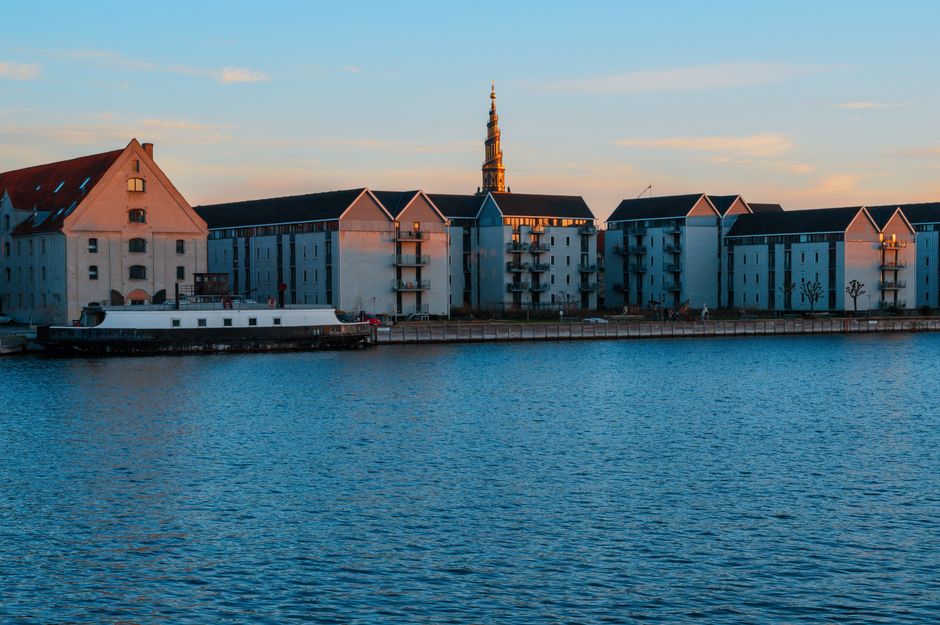
There is a single stretch of Danish coastline where the Øresund Strait glitters so consistently it looks painted, where harbor villages appear around bends like postcards you can ride into, and where the spires of Kronborg Castle rise from the horizon long before you believe you have pedaled far enough to reach them. The Copenhagen to Helsingør coastal route is this stretch. I have ridden it in morning mist and afternoon sun, in the company of best electric bike for commuting Danes and curious tourists, and I return because 46 kilometers of nearly flat, gloriously paved coastal path is the exact distance where an eBike transforms a pleasant day trip into something you will want to repeat.
Route Overview: What You Are Signing Up For
This is not a route that punishes. It is a route that rewards patience and a moderate pace, which makes it almost perfectly suited to eBike vs e-motorcycle comparison. The numbers tell a gentle story.
| Distance | 46.0 km / 28.6 miles |
| Elevation Gain | 60 m / 197 ft |
| Difficulty | Easy to Moderate |
| Estimated eBike Time | 2.5 to 3.5 hours riding |
| Surface | Paved cycle paths, some gravel coastal sections |
| Terrain | Coastal flat with minimal undulation |
The elevation profile is so modest that a eBike fit guide for men rider on a conventional bike could manage this in a day without dramatic suffering. But that is not the point. The point is that 46 kilometers with essentially zero climbing means you will arrive in Helsingør with energy to climb the stairs at Kronborg Castle, to wander the harbor, to consider riding back if the afternoon light cooperates. The eBike does not save you from a grueling ride. It saves you from a draining one, and in doing so it multiplies what you can extract from the experience.
Waypoint by Waypoint: What to Expect and Where to Pause
Nyhavn: The Starting Line
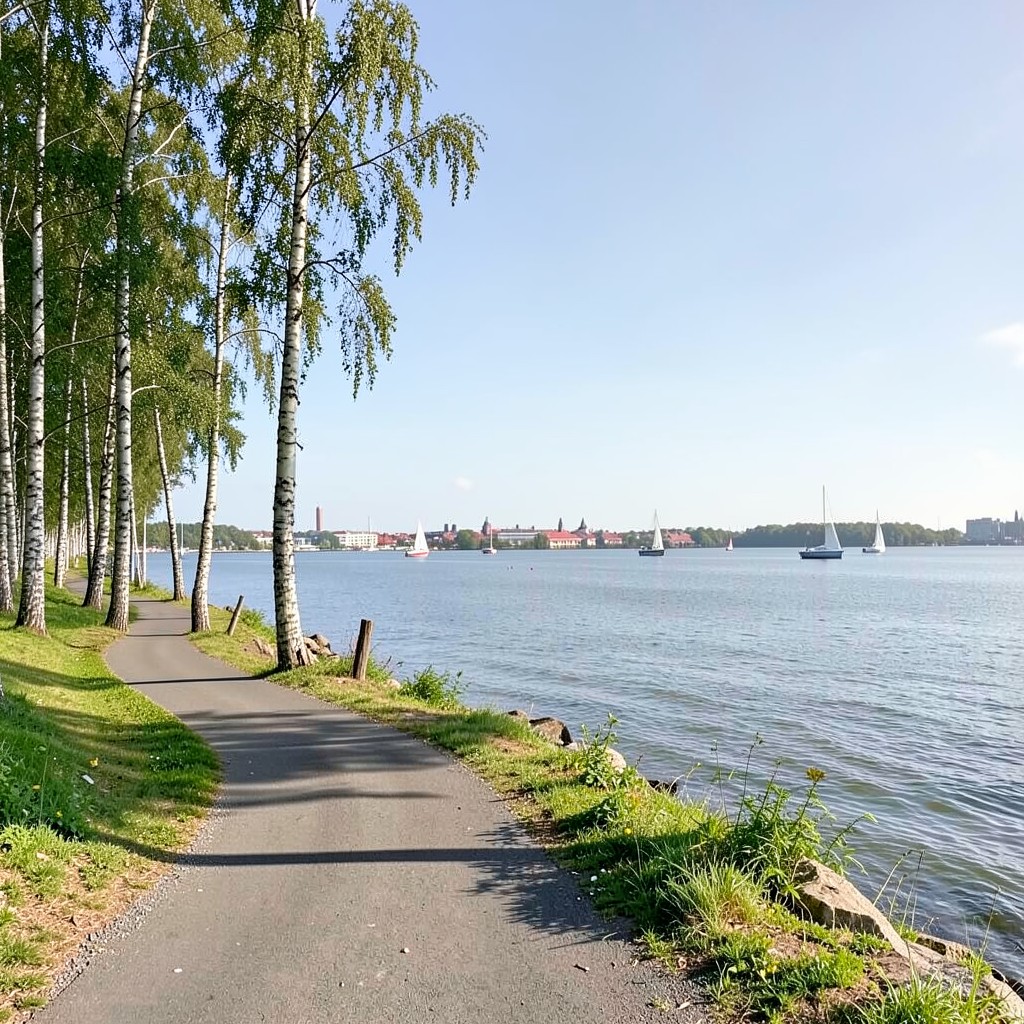
I always begin at Nyhavn not because it is the most practical launch point—it is crowded, it is touristic, it is undeniably chaotic on summer mornings—but because starting among the painted houses and wooden ships forces a certain mindset. You are not commuting. You are departing.
The practical reality of starting here with an eBike is worth emphasizing. Nyhavn sits at the eastern edge of Copenhagen’s core, which means you avoid the worst of city center traffic almost immediately by heading north along the harbor front. The coastal cycle path begins in earnest within minutes. On a conventional bike, the stop-start of Copenhagen’s bike lanes would cost you momentum and patience. On an eBike, you glide through the early kilometers, conserving energy for the stretches where you actually want it.
eBike tip: Keep assist low through the city center. The flat terrain and frequent lights make high assist wasteful. You want full battery when the coastal scenery opens up.
Klampenborg: Where Copenhagen Exhales
Approximately 10 kilometers north of Nyhavn, Klampenborg marks the psychological boundary where Copenhagen’s northern suburbs finally release their grip. Here you encounter Dyrehaven, the ancient deer park, and the transition from urban bike lane to something more like country riding. The path widens. Trees appear. The smell of the strait becomes distinct.

Klampenborg is where I typically make my first real stop, not because I am tired—the eBike has barely registered the distance—but because the bakery culture here demands attention. Danish cyclists understand the rhythm of ride, pause, refuel, ride. The eBike extends how far you can maintain this rhythm without the refuel becoming recovery from exertion rather than pleasure.
eBike tip: This is your last reliable urban services stop for a stretch. Check your battery percentage here. If you started with anything less than 80 percent, consider your assist strategy for the remaining 36 kilometers.
Rungsted Havn: The Harbor That Time Slowed
At roughly the 22-kilometer mark, Rungsted Havn appears with almost theatrical timing. You have been riding long enough to feel legitimately distant from Copenhagen, yet the flat coastal path has kept you fresh. The harbor itself is a working marina surrounded by low buildings and outdoor seating that fills with Danes on any day offering reasonable light.
The riding experience here shifts slightly. The coastal path narrows in places, threads between private properties, demands attention. An eBike’s ability to accelerate smoothly from low speed becomes genuinely useful when navigating pedestrians, other cyclists, and the occasional vehicle crossing. You are not fighting to regain momentum after every slowdown. The motor fills that gap.
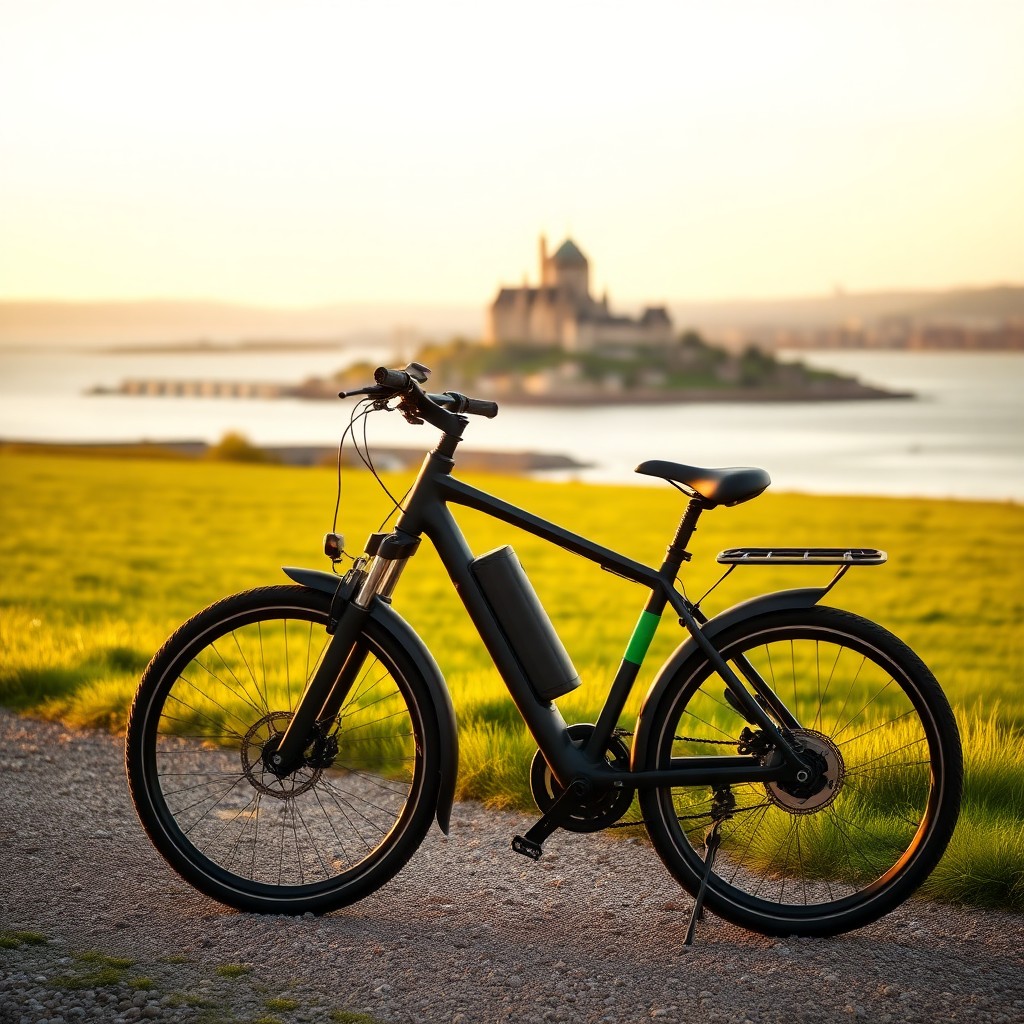
I have stopped at Rungsted Havn for smoked fish and coffee, for no reason beyond the view of masts against the strait, and for the practical purpose of confirming that yes, I still have more than half my battery and the psychological freedom to continue without range anxiety.
eBike tip: Rungsted Havn has public restrooms and several cafes with outdoor seating where a charging cable could theoretically be negotiated, though I have never needed it. The point is psychological: you could charge if necessary, which means you will not need to.
Louisiana Museum: The Cultural Detour
The Louisiana Museum of Modern Art sits slightly inland from the coastal path, and the detour is non-negotiable for anyone with even passing interest in contemporary art or Scandinavian design. The sculpture garden alone, with its integration of works by Giacometti and Calder into the coastal landscape, justifies the deviation.
From an eBike perspective, this is where the flexibility of electric assist reveals itself most clearly. You have ridden approximately 30 kilometers. On a conventional bike, the museum visit would carry weight: do I have the legs for the extra kilometers and the return? The eBike removes this calculation entirely. You ride to the museum, you lock your bike, you spend two hours on your feet, and when you resume the coastal path you do so with the same freshness you brought to the morning’s first kilometer.
The approach to Louisiana involves a modest incline away from the coast. At 60 meters total elevation gain across the entire route, this represents a meaningful fraction of what little climbing exists. On a conventional bike, you would notice it. On an eBike set to moderate assist, it registers barely as a change in cadence.
eBike tip: Louisiana has dedicated bike parking and is accustomed to cyclists arriving in all conditions. The museum cafe is excellent but priced accordingly. Pack your own provisions if budget matters.
Helsingør: The Destination Before the Destination
The final stretch into Helsingør unfolds across perhaps 8 kilometers of increasingly coastal riding. The strait widens here, and on clear days the Swedish coast becomes visible across the water. The town itself announces itself with marina infrastructure, with ferry traffic to Helsingborg, with the functional bustle of a working harbor that happens to sit adjacent to one of Denmark’s most significant cultural sites.
I have arrived in Helsingør with enough remaining battery to circle the harbor three times, to explore the town’s streets, to treat the eBike as transportation rather than as a spent resource requiring immediate attention. This is the 46-kilometer advantage. The distance is long enough to feel like genuine travel, short enough to leave you with reserves.
eBike tip: Helsingør has several bike shops if mechanical issues have developed. More relevant for most riders, the train station offers direct service back to Copenhagen with designated bike cars, making the one-way ride entirely viable even if you do not wish to cycle both directions.
Kronborg Castle: The Actual Finish Line
Kronborg Castle sits at the tip of the Helsingør peninsula, and cycling to its base provides the route’s most dramatic visual reward. The Renaissance fortress, immortalized as Elsinore in Shakespeare’s Hamlet, rises directly from the water with a scale that photographs consistently fail to capture.
The approach by eBike is particularly satisfying because you arrive without the sweat and fatigue that would accompany a 46-kilometer conventional ride. You can climb the castle’s bastions, explore the casemates, engage with the historical interpretation without your body reminding you of how you arrived. The eBike makes the journey compatible with the destination in a way that pure human power, for most riders, would not.
eBike tip: The castle grounds allow bike access to the outer areas but not within the main fortress. Lock your bike at the designated racks and carry your battery with you if theft concerns you, though Denmark’s bike theft rates, while rising, remain lower than many European capitals.
eBike Setup and Strategy for This Route
Assist Level Recommendations
The flat profile of this route means you do not need maximum assist for climbing. I recommend a graduated approach:
- Urban exit (Nyhavn to Klampenborg): Low assist or eco mode. Frequent stops and flat terrain make high assist unnecessary and wasteful.
- Open coastal (Klampenborg to Louisiana): Medium assist. The sustained flat riding benefits from consistent, moderate support that lets you maintain 20-25 km/h without strain.
- Approach to Helsingør: Your choice based on remaining battery and wind conditions. Headwinds along the strait can be persistent, and this is where higher assist levels justify themselves.
Battery Management
At 46 kilometers with 60 meters of elevation, most modern eBikes with 400Wh batteries or larger will complete this route on a single charge with assist to spare. The variable is wind. The Øresund Strait generates consistent coastal breezes that can transform an easy ride into something more demanding. I have consumed 40 percent more battery than expected on windy days.
Conservative approach: assume 60 percent battery consumption, start with 100 percent, and consider the train back as your contingency if unexpected headwinds arise.
Equipment Notes
The route is fully paved and suitable for any eBike type. I have ridden it on a best folding eBike for commuting and a more road-oriented hybrid with equal satisfaction. The coastal path does not demand suspension, though the occasional root-heaved section near Rungsted Havn rewards tires wider than 28mm. Fenders are advisable; the strait generates unpredictable spray, and Danish weather reserves the right to change without notice.
Practical Information for Route Planning
Best Season
May through September offer the most reliable conditions, though Danish summer guarantees nothing. I have ridden this route in October under golden birch light with essentially no one else on the path, and I have been rained upon in July. The coastal path drains well and remains rideable in damp conditions, but the experience degrades significantly in sustained rain. The eBike’s advantage diminishes when you are cold and wet regardless of motor assistance.
Charging Infrastructure
Denmark’s cycling infrastructure does not yet include dedicated eBike charging along routes, but the density of cafes and public buildings means a standard charger and polite inquiry will usually suffice. In practice, I have never needed to charge mid-route. The 46-kilometer distance and flat profile simply do not require it of modern eBikes.
For the cautious: Helsingør station has power outlets in the waiting areas, and several Helsingør cafes near the harbor will accommodate a charging cable with purchase.
Bike Rental Options
Copenhagen offers extensive eBike rental through multiple operators. Donkey Republic operates a dockless system with bikes available throughout the city, though their pricing for a full day exceeds dedicated rental shops. Copenhagen Bicycles and similar operators near Nyhavn offer conventional and electric bikes with advance reservation recommended in peak season.
The practical consideration for this route: ensure your rental includes a battery sufficient for 50+ kilometers. Some entry-level rental eBikes carry smaller batteries that would make the return journey marginal.
Return Options
The train from Helsingør to Copenhagen Central takes approximately 45 minutes and accepts bikes in designated cars. The bicycle supplement is modest. This transforms the route from a commitment into a choice: ride both directions if conditions and energy permit, or ride one way and let Danish State Railways handle the return.
FAQ: Copenhagen to Helsingør Coastal eBike Route
Is this route suitable for beginner eBike riders?
Yes, emphatically. The 46-kilometer distance sounds substantial but the flat profile and excellent path quality make it accessible to anyone comfortable with basic bike handling. The eBike’s assist removes the physical barrier that would otherwise make this a challenging day for inexperienced cyclists. I have guided riders on their third-ever eBike outing on this route without incident.
Can I complete the round trip on a single battery charge?
Assuming a modern eBike with 400Wh battery or larger, yes, with conditions. The return journey adds identical distance but potentially different wind conditions. A strong headwind on the return can increase consumption significantly. If your battery is marginal, take the train one direction and ride the other. If confident in your range, the round trip is entirely viable and rewarding in evening light.
Are there restaurants or cafes along the route?
Klampenborg, Rungsted Havn, Louisiana Museum, and Helsingør all offer established food and drink options. The stretch between Klampenborg and Rungsted Havn is relatively sparse, so plan a water and snack stop accordingly. The Danish right to roam does not extend to private coastal properties, so do not count on informal rest stops.
Is the route safe for solo riders?
Denmark’s cycling infrastructure is among the world’s most developed, and this coastal route is heavily trafficked by cyclists of all types during daylight hours. I have ridden it alone multiple times without concern. Standard precautions apply: carry a charged phone, know your battery range, inform someone of your plans if traveling solo.
How does this compare to riding without electric assist?
I have ridden this route on conventional bikes as well. The difference is not in completion—46 flat kilometers is achievable for most reasonably fit adults—but in the quality of arrival. Without assist, I arrive in Helsingør aware of the distance covered, pleased with myself, and significantly less interested in exploring the castle thoroughly. With assist, I arrive as a eBike touring comfort guide who happens to have traveled by bike, not as a cyclist who needs recovery time. The eBike shifts the route’s category from athletic achievement to cultural experience.
Part of our complete guide to the 25+ best eBike routes in Europe.
FAQ
How long is the Copenhagen to Helsingør bike route?
The Copenhagen to Helsingør coastal cycling route spans approximately 45-50 kilometers (28-31 miles) depending on the exact path taken. Most eBike riders complete the journey in 2.5 to 4 hours without stops, though many spread it across a full day to enjoy coastal attractions.
Is the Copenhagen to Helsingør route suitable for beginners?
Yes, the route is largely flat and follows well-maintained dedicated cycle paths, making it ideal for beginners and eBike users of all fitness levels. The Danish Riviera trail (Rivieraen) features clear signage and minimal road crossings. Summer weekends can be busy with local cyclists and pedestrians near beaches.
What are the best eBike rental options in Copenhagen?
Several Copenhagen shops offer eBike rentals including Donkey Republic, Baisikeli, and Copenhagen Bike Company with daily rates typically ranging from 200-400 DKK. Advance booking is recommended during peak season (June-August) as demand frequently exceeds supply. Many rental providers include helmets, locks, and basic repair kits.
What sights should I not miss between Copenhagen and Helsingør?
Highlights include the sandy beaches and colorful wooden houses of Bellevue, the Renaissance gardens of Fredensborg Palace, and the iconic Kronborg Castle in Helsingør, a UNESCO World Heritage site and Hamlet’s setting. The Louisiana Museum of Modern Art in Humlebæk is another essential stop, located roughly midway along the route. Several coastal villages offer excellent Danish smørrebrød lunch options.
FTC Disclosure: DOMI eBike Guide participates in affiliate programs. If you purchase products or book services through links on this page, we may earn a commission at no additional cost to you. All route recommendations are based on independent testing and editorial judgment. We do not accept payment for placement in our guides.
