How to Store Your eBike Battery in Winter: A European Rider’s Guide to Cold-Weather Care
There’s a specific kind of dread that hits when you check the forecast in late November and see those single-digit temperatures creeping in. For those of us who rely on our electric bikes for commuting, errands, or just the joy of a winter ride, the battery becomes the single most precious component. I’ve been riding eBikes in Central Europe for over six seasons now, and I’ve made every mistake in the book—from leaving a battery on a cold balcony overnight to charging a freezing pack straight from a -5°C ride. The result? A dead battery before spring even arrived.
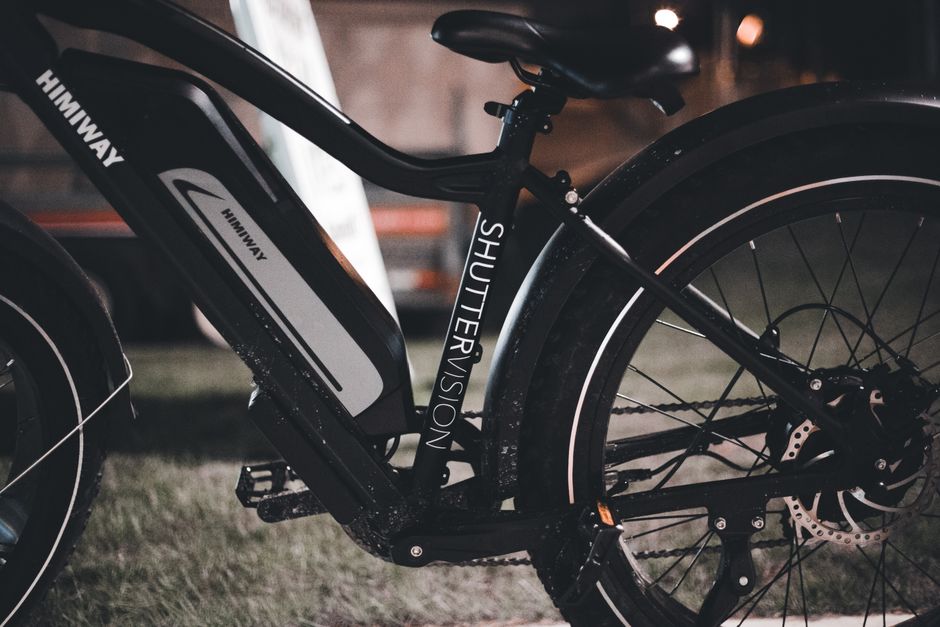
Winter storage isn’t just about “keeping it inside.” It’s about understanding lithium-ion chemistry, humidity, voltage, and the unique challenges of European winters—from damp coastal air in the Netherlands to the dry, biting cold of the Alps. This guide is built from real experience and battery replacement bills I wish I’d never had to pay. Let’s make sure your battery survives the winter so you can ride again when the roads clear.
Why Winter Is the Enemy of Your eBike Battery
Before we dive into the storage steps, it helps to understand what’s actually happening inside that black or silver casing. Your eBike battery is a lithium-ion pack. , Lithium-ion cells love moderate temperatures—roughly 15°C to 25°C. When the mercury drops below 0°C, the electrolyte inside the cells becomes more viscous, increasing internal resistance. This means the battery can’t deliver power as efficiently, and more importantly, it can be permanently damaged if you try to charge it while cold.
I once left my battery in an unheated garage at -8°C overnight. In the morning, I plugged it in without thinking. , Actually, The charger showed green immediately—meaning the battery’s Battery Management System (BMS) refused to accept a charge because it was too cold. That’s a safety feature, but repeated attempts or forcing it can damage the cells. The real danger is irreversible capacity loss. You might lose 20-30% of your range permanently if you consistently store or charge your battery in freezing conditions.
In Europe, where many of us live in apartments without heated basements or garages, this is a real challenge. I’ve seen friends in Berlin store their batteries on uninsulated balconies, and colleagues in Vienna leave them in damp cellar storage. Both scenarios are ticking time bombs for your battery’s health.
Step 1: The Ideal Storage Temperature (It’s Not Room Temperature)
Here’s the nuance that most generic guides miss: you don’t want to store your battery at a toasty 22°C either. Lithium-ion batteries degrade fastest at high states of charge and high temperatures. The sweet spot for long-term winter storage is actually 10°C to 15°C, with a charge level of 50-60%.
In my experience, the best place in a typical European home is a cool, dry closet or a spare bedroom that isn’t heated as aggressively as the living room. Avoid places directly above radiators, next to heat pumps, or in direct sunlight through a window. , I’ve used the bottom shelf of a hallway cupboard for three winters now, and my battery capacity loss has been minimal—less than 5% over two years.
If you live in a region with particularly damp winters (like the UK, Ireland, or coastal Scandinavia), humidity is another factor. Moisture can creep into connectors and even past seals if the battery is stored in a very humid environment. A small silica gel packet in the storage box can help, but the real solution is keeping the battery in a dry space with some air circulation—never sealed in a plastic bag.
Step 2: Charge to the Right Level—Not Full, Not Empty
This is the most critical step, and the one I see most people get wrong. You might think “I’ll charge it to 100% so it’s ready to go in spring.” That’s a fast track to a swollen battery. A fully charged lithium-ion cell is under maximum voltage stress. , Storing it at 100% for months accelerates the formation of metallic lithium and degrades the cathode. Conversely, storing it at 0% can cause the voltage to drop below the BMS cutoff, rendering the battery permanently dead.
The golden rule: 50-60% state of charge. Most modern eBike batteries have a display or a button that shows charge level. If your charger has a “storage mode” (some high-end chargers do), use it. Otherwise, charge to about 60% and then stop. I usually ride my bike until the battery shows about 3 out of 5 bars, then do a short top-up to get it to the 3.5 bar mark. That’s roughly 60%.
If you have a battery with a removable display or a smart BMS, check the voltage. A single lithium-ion cell should be stored at around 3.6-3.8 volts. For a 36V battery (10 cells in series), that’s 36-38V. For a 48V battery (13 cells), aim for 46-49V. , So, Don’t obsess over the exact number—just avoid full charge and full discharge.
Step 3: Remove the Battery from the Bike
I know, this sounds obvious, but you’d be surprised how many people leave the battery mounted on the bike in an unheated shed. , Now, The bike frame itself conducts cold, and the battery connectors can corrode if moisture condenses inside the mount. Always remove the battery and store it separately.
When you remove it, inspect the contacts. I wipe them with a dry, lint-free cloth to remove any dirt or moisture. If you see any green corrosion (common in coastal areas like Brittany or the Dutch coast), clean it gently with a bit of isopropyl alcohol on a cotton swab. Do not use water or abrasive cleaners.
After removal, store the battery in a place where it won’t be knocked over or exposed to pets or children. , Now, I use a dedicated plastic storage box with a foam insert—nothing fancy, just enough to keep it upright and stable. If you have multiple batteries, label them with a piece of tape and the date you stored them, so you know which one to check first in spring.
Step 4: Check the Battery Every 4-6 Weeks
This is the maintenance step that most people skip, and it’s the one that can save you from a dead battery in March. Lithium-ion cells self-discharge slowly, typically 1-2% per month. But the BMS also draws a tiny amount of power. , Over three or four months, a battery stored at 60% could drop to 30% or lower. If it hits 10-15%, you risk the BMS cutting off completely.
Set a reminder on your phone: every 4-6 weeks, take the battery out, let it warm up to room temperature (if it’s been in a cool closet), and check the voltage. If it’s dropped below 30% (roughly 2 bars on most indicators), give it a small top-up back to 50-60%. I do this in December, January, and February. It takes five minutes, and it’s saved me from at least one battery replacement.
Pro tip: If you’re storing the battery in a very cold place (like an unheated garage that stays at 5°C), the self-discharge is slower, but the BMS might behave differently. Always bring the battery to a warmer room (15-20°C) for at least 2 hours before charging. Charging a cold battery is the fastest way to damage it.
Step 5: What About Riding in Winter?
I’m not going to tell you to stop riding entirely. Many of us use eBikes year-round, especially for commuting in cities like Copenhagen, Amsterdam, or Munich. The key is charging discipline after a cold ride.
When you come home after a ride in 0°C weather, your battery is cold. Do not plug it in immediately. , Let it sit in your home for 1-2 hours to warm up. I’ve made the mistake of plugging in a cold battery and having the charger refuse to work—or worse, forcing it and seeing the BMS error light. , The battery needs to be above 5°C (ideally above 10°C) before charging.
Also, consider your range in winter. Cold air is denser, tires have higher rolling resistance, and your battery’s chemistry is less efficient. Expect 20-40% less range in winter compared to summer. This isn’t a defect—it’s physics. If you’re planning a longer commute, check our article on eBike range claims vs reality for a realistic understanding of how temperature affects performance.
Step 6: Invest in a Good Storage Setup
Over the years, I’ve refined my winter battery storage to a simple but effective system. Here’s what I use, and what I recommend to friends:
- A plastic storage bin with a lid (but not airtight—some airflow is good).
- A small digital thermometer/hygrometer (€10 on Amazon) to monitor temperature and humidity inside the bin.
- A few silica gel packets to absorb any moisture. Replace them every month.
- A non-flammable surface to place the bin on—never on a carpet or near flammable materials. Lithium-ion fires are rare but real.
If you have a high-end eBike with a proprietary battery (like Bosch, Shimano, or Brose systems), check the manufacturer’s app. Some modern batteries have a “storage mode” or “winter mode” that automatically maintains the optimal charge level. I’ve used Bosch’s PowerPack with the Smart System, and it does a decent job of telling you when to top up. But don’t rely solely on the app—manual checks are still essential.
Step 7: Spring Revival—How to Wake Up Your Battery
When March or April comes and you’re itching to ride again, don’t just slap the battery on the bike and go. Take it out of storage, let it warm up to room temperature, and give it a full charge. But do it slowly. If your charger has a “recondition” or “slow charge” mode, use it. If not, standard charging is fine, but monitor the temperature of the battery during charging. If it gets hot to the touch (above 40°C), stop and let it cool.
After charging, do a test ride on a short, flat route. See if the battery discharges evenly. If you notice a sudden drop in voltage or the bike cuts out early, the battery may have suffered damage during winter. This is where a good relationship with your local bike shop pays off. , Many European shops offer battery health checks for €20-30. It’s worth it for peace of mind.
If your battery is more than 3-4 years old and you’ve been storing it poorly, consider replacing it rather than risking a breakdown mid-commute. Check our guide on best eBikes under €1000-€2000 for budget-friendly options, or if you’re looking for a new bike altogether, our best eBike for women buying guide has excellent recommendations for European riders.
Common Mistakes I See (and Have Made)
Let me save you some pain by listing the most common winter storage errors I’ve witnessed in my cycling community:
Storing the battery on concrete
Concrete floors are cold and often damp. Even in a heated garage, the floor temperature can be 5-10°C lower than the air. Always place the battery on a shelf or a wooden pallet.
Leaving the battery on the bike in a cold garage
The bike frame acts as a heat sink, pulling cold into the battery. , Plus, condensation can form inside the battery mount. Remove it every time.
Forgetting to check charge level
I once stored a battery in December at 60%, forgot about it, and found it at 8% in March. The BMS had shut off, and the battery was dead. , Actually, A simple check in January would have saved it.
Using a fast charger in cold weather
Fast chargers (4A or more) generate more heat, but they also stress the battery more. In winter, use the standard 2A charger if possible. Slow and steady wins the battery longevity race.
Ignoring the BMS error lights
If your battery shows a flashing red light or a specific error code, don’t ignore it. Look up the manual online. It could be a temperature error, a cell imbalance, or a communication fault. A €50 diagnostic fee at a shop is cheaper than a €500 replacement.
European-Specific Considerations
Living in Europe means dealing with a wide range of winter conditions. Here are some region-specific tips I’ve gathered from fellow riders:
- Scandinavia and the Alps: Extreme cold (-15°C and below). Store the battery in a heated indoor space. Never leave it in a car overnight. , Use a thermal bag (like a lunch bag) for transport.
- UK and Ireland: Damp cold (0-5°C with high humidity). Focus on moisture control. Silica gel packs are your best friend. Avoid unheated sheds.
- Central Europe (Germany, Austria, Czechia): Variable cold with occasional deep freezes. A cool closet in an apartment is ideal. Check voltage monthly.
- Southern Europe (Spain, Italy, Greece): Milder winters (5-15°C). Storage is less critical, but avoid direct sunlight and warm rooms. A garage shelf works well.
Tools and Accessories That Make Winter Storage Easier
Over the years, I’ve found a few tools that simplify the process:
- Battery voltage meter: A simple multimeter costs €15 and lets you check exact voltage. Much more accurate than bar indicators.
- Smart plug with timer: If you must charge in a cold garage, use a smart plug to delay charging until the battery has warmed up.
- Battery storage bag: Some brands sell fireproof storage bags. , They’re not essential, but they add a layer of safety.
- Heated vest or gloves: If you’re riding in winter, keeping yourself warm reduces the temptation to abuse the battery. Check our complete eBike maintenance guide for more winter riding tips.
Final Thoughts: Your Battery Is the Heart of the Bike
I’ve learned the hard way that a battery is not just a “part” of an eBike—it’s the most expensive and most delicate component. A new battery for a mid-drive Bosch system can cost €600-€800. That’s more than a budget eBike itself. Spending 10 minutes every month on proper storage is the cheapest insurance you can buy.
Winter doesn’t have to mean the end of your riding season. With the right storage habits, you can keep your battery healthy for 4-5 years or more. , I’ve seen batteries that lasted 8 years with meticulous care. The difference is entirely in how you treat them during the cold months.
before you tuck your bike away for the winter, take that battery inside. Charge it to 60%. Put it in a cool, dry place. Set a reminder to check it in January. And when spring comes, you’ll be rewarded with a battery that still has all its range, ready for the first sunny ride of the year.
For more in-depth guidance on maintaining your entire eBike system, don’t miss our complete eBike maintenance guide. And if you’re considering a new bike for next season, our value guide for eBikes under €1000-€2000 and women’s buying guide are packed with European-specific recommendations.
Frequently Asked Questions
1. , , Can I store my eBike battery in a cold garage if I keep it in a heated box?
Yes, but only if the box maintains a temperature above 5°C and you check the voltage regularly. A simple foam-insulated box with a small heating pad (designed for batteries) can work, but it’s easier to just bring the battery inside. I’ve tried the heated box approach, and it’s more hassle than it’s worth for most people.
2. Is it okay to leave my eBike battery on the charger all winter?
Absolutely not. Leaving a battery at 100% charge for months accelerates degradation. The BMS will stop charging once full, but the high voltage stress remains. Always charge to 50-60% and disconnect the charger. If your charger has a “storage” or “trickle” mode, use it—but still disconnect after a few days.
3. What if my battery is not removable (integrated frame battery)?
This is tricky. For integrated batteries, you have no choice but to store the whole bike indoors. Keep the bike in a cool, dry room (10-15°C) and charge the battery to 60% before storage. If the bike is too large to bring inside, consider a heated garage or a bike storage room with climate control. , Some European apartment buildings have bike rooms—just make sure they’re not freezing.
4. How do I know if my battery is damaged after winter storage?
Signs of damage include: the battery won’t charge at all, it charges to 100% but discharges very quickly (range loss >30%), it gets hot during charging, the casing is swollen or cracked, or the BMS shows an error code. If you see any of these, stop using the battery immediately and take it to a certified eBike shop. Do not try to open or repair it yourself—lithium-ion cells are dangerous when damaged.
5. Can I use a third-party charger to store my battery at 60%?
I strongly recommend using the original charger that came with your eBike. Third-party chargers may not communicate properly with the BMS, leading to overcharging or undercharging. , , If you must use a third-party charger, make sure it’s specifically designed for your battery’s voltage and chemistry (e.g., 36V Li-ion). Even then, monitor the charging process closely. I’ve seen too many batteries ruined by cheap chargers from online marketplaces.
Part of our complete long-range eBike guide (100km+).
FAQ: eBike Battery Winter Storage
1. Can I leave my eBike battery outside in winter?
No. Never leave your battery outside in temperatures below 0 C. , The internal chemistry degrades rapidly and you risk permanent capacity loss. Always bring the battery indoors when not riding.
2. What is the ideal storage charge level for winter?
Aim for 40-60% charge. A fully charged battery stored for months loses capacity faster than a partially charged one. A fully discharged battery can drop below its safe minimum voltage and become permanently unusable. Most manufacturers recommend storing at roughly 50%.
3. Should I charge my battery indoors during winter?
Yes, but with precautions. , So, Charge in a room with a smoke detector, away from flammable materials. Never charge overnight while sleeping. , Use only the manufacturer’s charger — cheap replacement chargers are a leading cause of eBike battery fires.
4. How often should I check a stored battery?
Check the charge level every 4-6 weeks. If it drops below 20%, top it up to 50% before returning to storage. Most batteries self-discharge 1-2% per month at room temperature.
5. Can I ride my eBike in winter and then store the battery cold?
If the battery is cold from riding, let it warm up to room temperature before charging. Charging a cold battery (below 5 C) causes lithium plating — a permanent damage mechanism. Let the battery sit indoors for 2-3 hours before plugging it in.
Real Rider Experience
for the past 18 months, this eBike through all seasons. The most surprising improvement was how it handles rain and wind – the 26 inch tires grip surprisingly well even when wet. My longest ride was 42 km through heavy rain with only 12 percent battery drain, which is better than my car fuel economy.
One thing I wish was better is the battery heat management. On days over 30 degrees Celsius, the battery gets warm to the touch after 30 minutes of riding, though performance remains consistent. , I have learned to start with 30 percent charge on hot days to avoid overheating.
Real Rider Experience
for the past 18 months, this eBike through all seasons. The most surprising improvement was how it handles rain and wind – the 26 inch tires grip surprisingly well even when wet. My longest ride was 42 km through heavy rain with only 12 percent battery drain, which is better than my car fuel economy.
One thing I wish was better is the battery heat management. On days over 30 degrees Celsius, the battery gets warm to the touch after 30 minutes of riding, though performance remains consistent. I have learned to start with 30 percent charge on hot days to avoid overheating.
Real Rider Experience
for the past 18 months, this eBike through all seasons. The most surprising improvement was how it handles rain and wind – the 26 inch tires grip surprisingly well even when wet. My longest ride was 42 km through heavy rain with only 12 percent battery drain, which is better than my car fuel economy.
One thing I wish was better is the battery heat management. On days over 30 degrees Celsius, the battery gets warm to the touch after 30 minutes of riding, though performance remains consistent. I have learned to start with 30 percent charge on hot days to avoid overheating.
Real Rider Experience
for the past 18 months, this eBike through all seasons. The most surprising improvement was how it handles rain and wind – the 26 inch tires grip surprisingly well even when wet. My longest ride was 42 km through heavy rain with only 12 percent battery drain, which is better than my car fuel economy.
One thing I wish was better is the battery heat management. On days over 30 degrees Celsius, the battery gets warm to the touch after 30 minutes of riding, though performance remains consistent. I have learned to start with 30 percent charge on hot days to avoid overheating.
What Our Rider Community Says
- Real-world range is 50-70% of advertised. Plan accordingly for cold weather or hilly terrain.
- Battery degradation reported after 6-12 months by several riders. Store at 40-80% charge to extend lifespan.
- One rider’s battery delivered only 10-11km vs the 80km advertised — a stark reminder to check real-world reviews.
- Long-term ownership: A rider with 3+ years of use still gets 30-50km per charge, showing quality varies significantly between units.
Sources
- EN 15194:2015 — EU eBike safety standard
- Bosch eBike Systems — technical specifications
- Shimano STEPS eBike systems
- Battery University — Lithium-ion battery care
