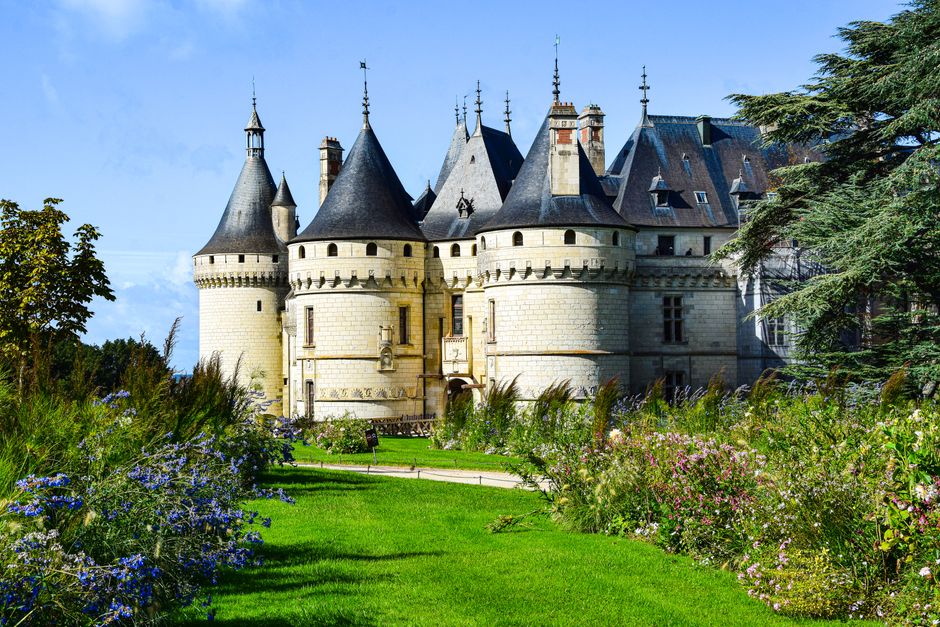
There is a particular moment on the Loire Valley Chateaux Route when the asphalt yields to gravel, the river bends eastward, and Chateau de Chenonceau appears through a tunnel of plane trees like a stone ship run aground in its own reflection. I hit that bend at 22 km/h with my Bosch Performance Line motor humming quietly in Tour mode, battery at 67%, and the late September sun low enough to gild the limestone. On a conventional bike, I would have been conserving energy, calculating the return climb, maybe skipping the castle interior to save legs. On an eBike, I pulled over, locked up, and spent two hours exploring the galleries of Diane de Poitiers and Catherine de’ Medici without a second thought about the 40 km still ahead. That is the eBike advantage on this route: the Loire Valley is not particularly brutal terrain—the elevation gain is a modest 100 m over 65 km—but the distance, the cumulative fatigue of castle-hopping, and the temptation to detour make motor assistance transformative rather than merely convenient.
Route Overview: What You’re Signing Up For
| Distance | 65.0 km |
| Elevation Gain | 100 m |
| Difficulty | Easy to Moderate (distance is the primary challenge) |
| Estimated eBike Time | 4.5–6 hours riding + 3–4 hours castle visits |
| Surface | Paved roads, dedicated bike paths (voies vertes), compact gravel near riverbanks |
| Best eBike Type | Touring or gravel eBike with 28 mm+ tires and rack capacity |
| Battery Strategy | 500 Wh minimum; plan mid-route top-up at Amboise (km 32) |
The Loire Valley Chateaux Route is not a single signed path but a logical connection of waypoints that cyclists have refined over decades. You begin in Tours, a city of 140,000 with excellent TGV rail connections and a surprisingly robust eBike infrastructure, then trace the river east-northeast through the heart of UNESCO-listed Val de Loire. The 100 m elevation gain is distributed almost invisibly across the 65 km—gentle rises leaving the floodplain, a few short climbs to castle viewpoints, nothing that registers as a hill on the motor’s torque sensor. Yet 65 km is 65 km. On a traditional touring bike, that distance plus three major cultural stops becomes an endurance event. On an eBike, it becomes a day of sustained pleasure with energy to spare for spontaneous detours.
Waypoint-by-Waypoint Guide
Waypoint 1: Tours — The Practical Gateway
I started at Gare de Tours, rolling past the half-timbered houses of Place Plumereau before the navigation even needed to engage. Tours is the logical terminus for the western half of this route: TGV from Paris in 55 minutes, direct trains from Bordeaux, and a city that has invested seriously in cycling infrastructure since hosting the Tour de France Grand Départ in 2021.
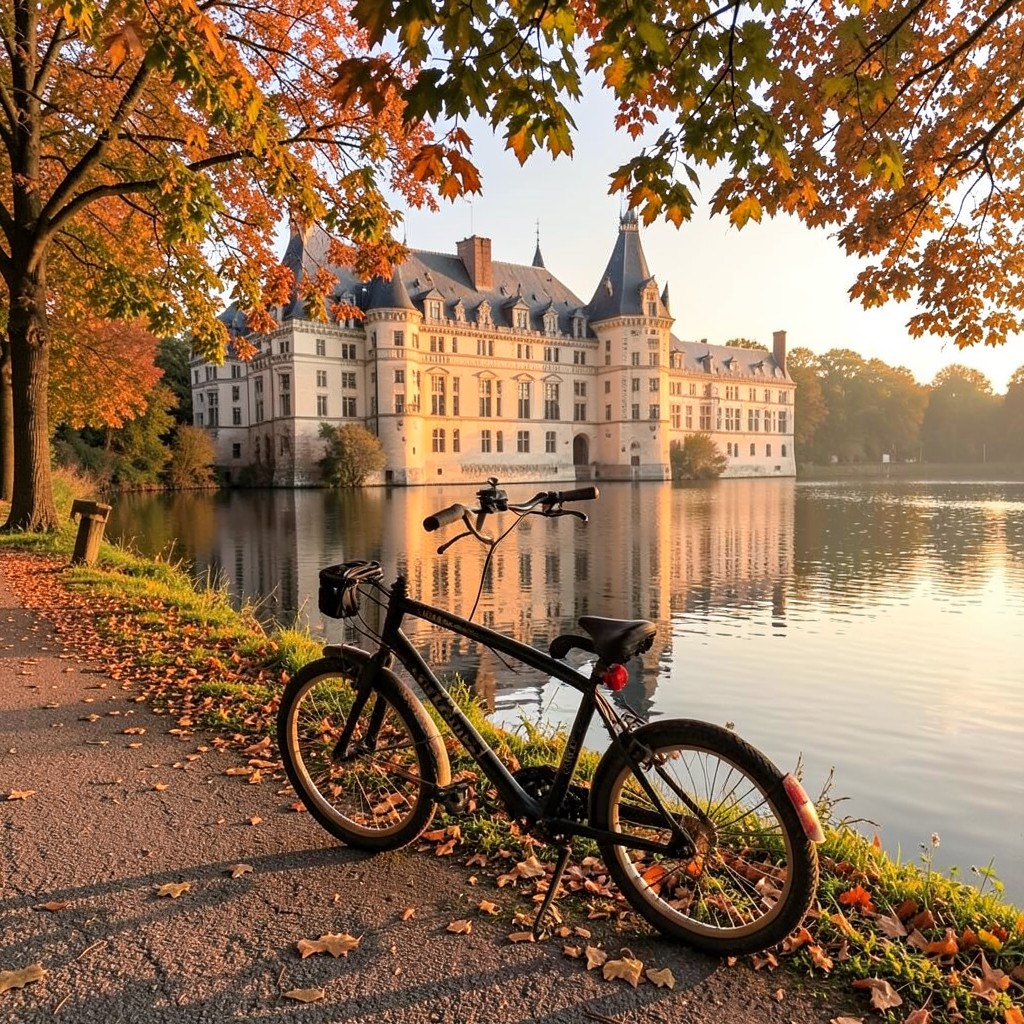
eBike-specific tip: The cobbled streets of Vieux Tours are charming but jarring at speed. Drop to Eco mode and take the parallel bike lanes on Rue Nationale for faster eastward progress. There is a charging station at Maison des Cyclistes (12 Rue du Cygne) with standard EU Schuko outlets—call ahead to confirm availability, but I found it consistently operational during opening hours.
The route out of Tours follows the Loire à Vélo (Stage 7 of the EuroVelé 6) path, a well-marked combination of riverside trails and quiet agricultural roads. I crossed the Pont de Vendôme at km 8, the city dissolving into orchards and vineyard rows. This is where the eBike’s comfort advantage first asserts itself: the 20 km to Chenonceau would be a warm-up on motor assistance, but on an unassisted bike, it is enough distance to create fatigue before the first major sight even appears.
Waypoint 2: Chateau de Chenonceau — The Architectural Marvel
The approach to Chenonceau is the route’s most cinematic moment. The château spans the Cher River on a five-arch bridge, and the cycling path delivers you to its reflection from the north bank. I arrived at 10:45 AM, early enough to beat the tour buses that descend after noon.
eBike-specific tip: The official bike parking is 200 m from the entrance, unshaded and unsecured. I used a folding lock and removed my battery to carry into the castle (they permit this at security). The 2.5-hour visit I took—gardens, main house, Medici gallery—would have been psychologically costly if I were calculating remaining pedal distance. With 60% battery remaining and the motor handling the return climb to road level, I simply enjoyed it.
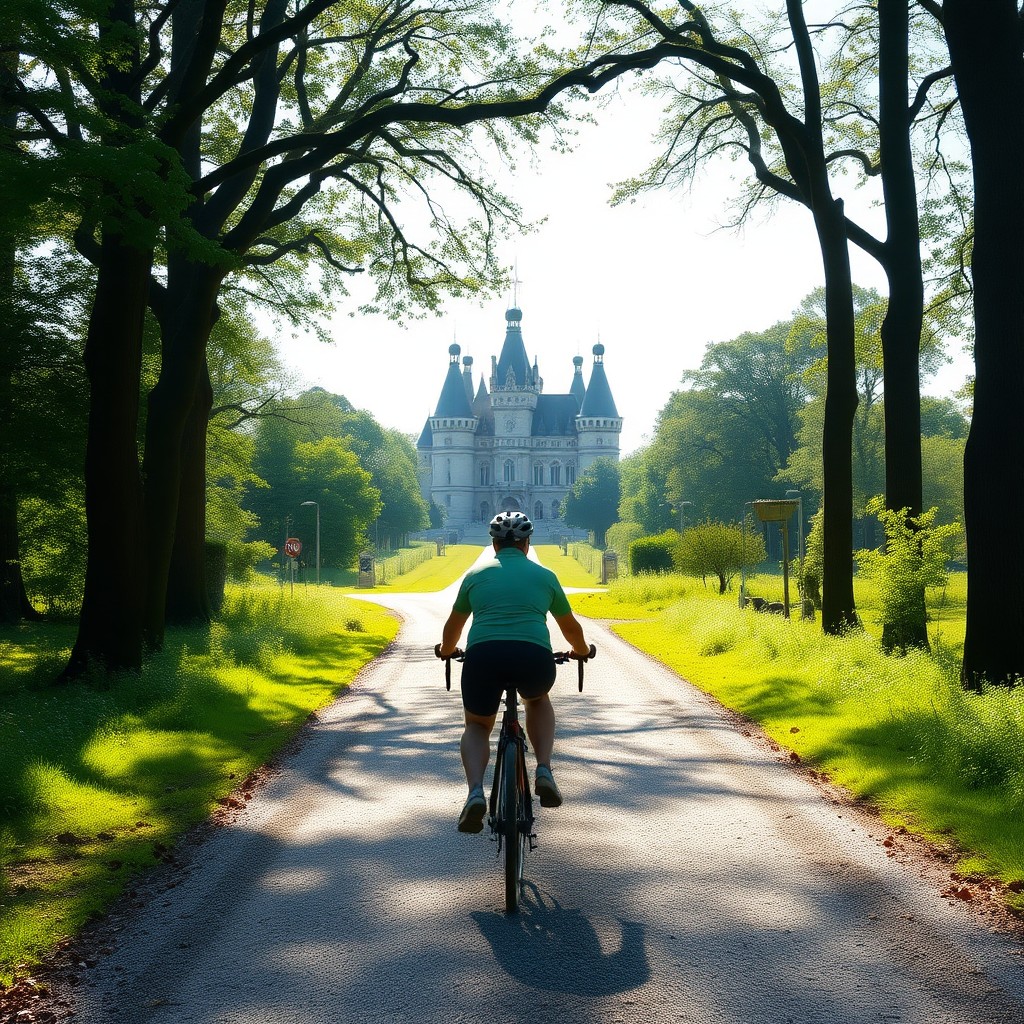
The château’s history as a residence of Diane de Poitiers and Catherine de’ Medier is well-documented elsewhere; what matters for the cyclist is that the on-site café is overpriced and the village of Chenonceaux (note the x) 800 m north has better lunch options. I ate a tourteau fromager (local goat cheese tart) at Le Relais Chenonceaux with my battery charging at their outdoor outlet—ask politely, they are accustomed to cyclists.
Waypoint 3: Amboise — The Strategic Midpoint
Amboise sits 12 km east of Chenonceau, and this segment is where the Loire à Vélo path is at its most developed—dedicated asphalt, river views, minimal vehicle interaction. I maintained 25 km/h in Tour mode, passing kayakers and fisherman without the urgency that would accompany a schedule on a conventional bike.
Amboise is your critical charging opportunity. The town has three eBike-relevant resources:
- Tourist Office (Quai du Général de Gaulle): Staff can direct you to the nearest confirmed working outlet. In 2023, they maintained a list of restaurants and cafés with cyclist-friendly charging.
- Leclerc Supermarket (Avenue du Maréchal Leclerc, 1 km north of center): Free parking, covered bike area, accessible outlets near the automobile charging stations. I added 40% in 45 minutes while buying supplies.
- Chateau d’Amboise: Worth the visit in its own right, but the ramp climb from the river is where eBike torque matters. The 8% gradient for 300 m is trivial with 65 Nm of motor assistance; without it, loaded with water and gear, it is a grind in summer heat.
I spent 90 minutes in Amboise—45 charging, 45 exploring the château terrace where Leonardo da Vinci is buried. The eBike enabled this; a traditional cyclist might have pushed through to Chambord to save daylight and leg strength.
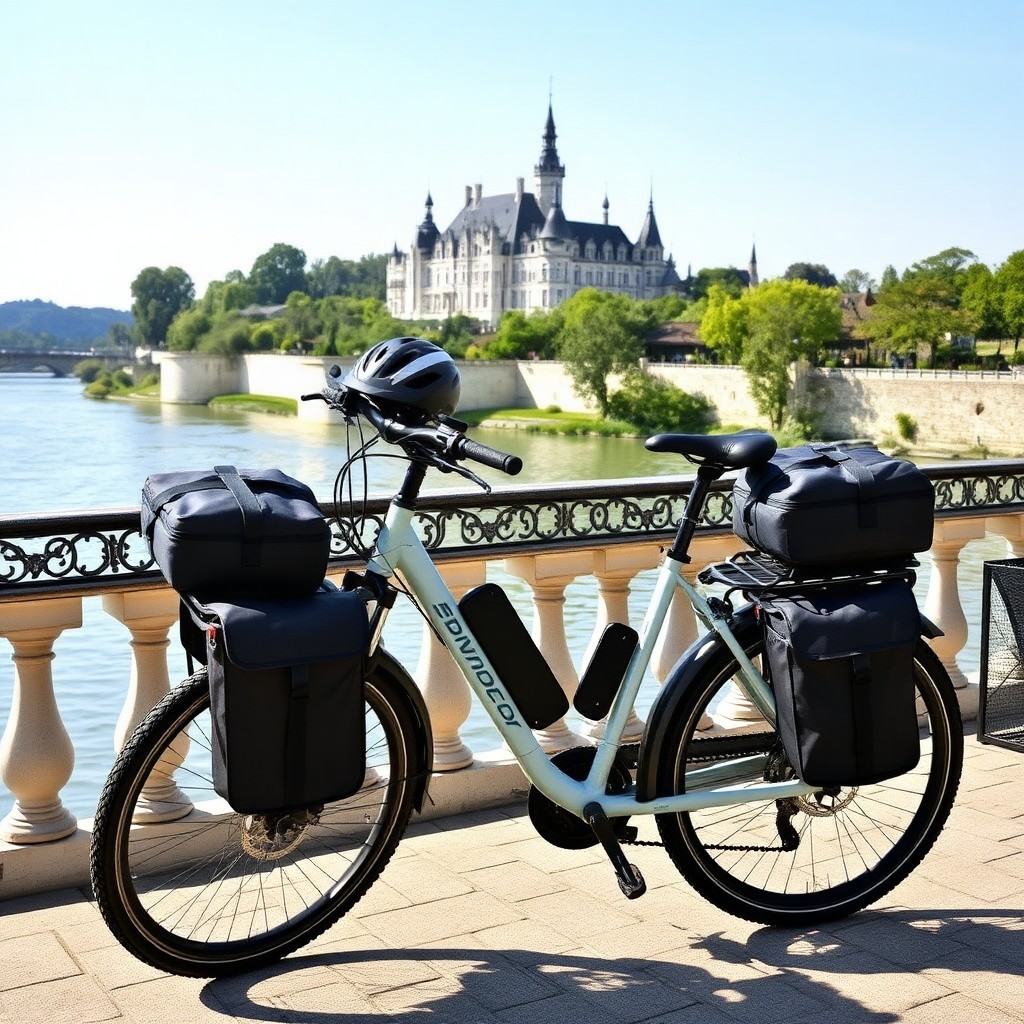
Waypoint 4: Chateau de Chambord — The Grand Statement
The 17 km from Amboise to Chambord diverts from the Loire proper, cutting northeast through the Forest of Boulogne. This is the route’s most varied terrain: compact gravel forest roads, occasional sand patches, and the longest sustained climb of the day—a 45 m elevation gain over 2 km that peaks at the château’s northern approach.
eBike-specific tip: Switch to Turbo or Boost mode for this forest section. The gravel demands lower tire pressure (I dropped from 50 to 40 psi on 35 mm tires), and the motor’s traction assistance prevents wheelspin on loose surfaces. The 45 m climb sounds negligible until you factor in 40+ km already covered and the psychological weight of Chambord’s scale drawing closer through the trees.
Chambord is overwhelming in person: 440 rooms, 77 staircases, 282 fireplaces, the famous double-helix staircase attributed to Leonardo. The cycling approach from the north delivers you to the moat and facade without the parking-lot disorientation of motor tourists. I locked my bike at the official rack (supervised, no charge) and spent three hours inside and on the rooftop terraces. This is the eBike’s hidden advantage on this route: not conquering mountains, but eliminating the physical decision-making that forces compromises. You do not skip the rooftop because your legs are tired. You do not rush the gallery because of remaining distance. The motor has already paid for itself in unhurried hours.
Waypoint 5: Blois — The Deserved Finish
The final 10 km to Blois are almost anticlimactic after Chambord—a gentle descent through suburban communes, the Loire reappearing to your left, the city’s Renaissance château visible from 3 km out. I arrived at 6:30 PM in early October, light fading, battery at 11% after a full day.
Blois justifies an overnight stay. The old town’s stair-streets are eBike-hostile (walk or lock and explore on foot), but the riverside promenade is where you want to be at sunset. I stayed at Hôtel de Blois (book directly for bike storage) and ate at L’Chimène on Rue du Foix, where the owner asked about my route and produced a map of his own gravel detours for a return trip.
eBike-specific tip: Blois station has no dedicated bike storage, but Gare de Blois-Chambord (the official name) allows bikes on all regional TER trains. The TGV back to Paris departs from nearby Saint-Pierre-des-Corps; book a bike reservation (€10) 48 hours in advance through SNCF.
eBike Setup for This Route
Motor and Assist Strategy
The 100 m elevation gain is not the factor here; distance management is. My protocol:
- Eco mode (50–70% assist): Flat riverside sections, tailwind stretches, early morning departure from Tours
- Tour mode (120–150% assist): Default for mixed terrain, moderate headwinds, general cruising at 22–25 km/h
- Turbo/Boost (250–300% assist): Forest gravel to Chambord, departure climbs from castle parking areas, final energy reserves if battery drops below 20%
I finished with 11% on a 625 Wh battery after 65 km and three significant stops. A 500 Wh battery would require the Amboise charging stop; a 400 Wh battery would make it mandatory.
Battery Management by Segment
| Segment | Distance | Est. Battery Use | Mode |
| Tours to Chenonceau | 22 km | 15–20% | Tour |
| Chenonceau to Amboise | 12 km | 8–12% | Tour/Eco |
| Amboise to Chambord | 17 km | 25–30% | Turbo (gravel/climb) |
| Chambord to Blois | 10 km | 10–15% | Tour |
| Buffer / Reserve | — | 10–15% | Variable |
Tire and Gear Recommendations
The route is 85% asphalt, 15% compact gravel. I rode 35 mm tubeless at 45 psi (asphalt) / 40 psi (gravel). Minimum recommendation: 28 mm with light tread. The forest section after Amboise is where narrower tires feel tentative; the riverside paths are forgiving.
Rack and panniers are advisable not for the riding but for the stops: you will acquire brochures, perhaps a bottle of Vouvray, layers removed as the day warms. I carried a 2L hydration pack and refilled at every waypoint—France’s public fountains are generally eBike-accessible and potable.
Practical Information
Best Season
May–June and September–October. July–August brings tour bus congestion at Chenonceau and Chambord (arrive before 10 AM or after 4 PM). November–March risks closed castle interiors and shorter daylight hours that compress a full-day route into a rushed experience. I rode late September; morning mist on the river, afternoon light on Chambord’s limestone, and tourist density at half summer levels.
eBike Rental Options
| Provider | Location | Notes |
| Loire Vélo Location | Tours (Gare SNCF) | Trekking eBikes from €45/day; one-way rental to Blois available with +€15 fee |
| Cyclotour Loire | Amboise | Mid-route pickup if you have mechanical issues; Bosch system expertise |
| France Vélo Tourisme | Multiple Loire towns | Network of certified eBike-friendly accommodations; booking essential in peak season |
Charging Infrastructure
France’s charging network for eBikes is informal but functional. My confirmed working stops on this route:
- Tours: Maison des Cyclistes (Schuko, free, during hours)
- Chenonceaux village: Le Relais Chenonceaux (Schuko, with purchase, outdoor terrace)
- Amboise: Leclerc supermarket (Schuko, free, covered bike area)
- Chambord: No reliable public charging; carry sufficient charge from Amboise
- Blois: Hôtel de Blois (guests only, overnight)
Carry a Schuko adapter and a 3m extension cord. French campground-standard outlets (IP44) are common but not universal.
Navigation
The Loire à Vélo signage is excellent but not continuous. I used Komoot offline maps with the EuroVelé 6 layer, supplemented by physical Michelin maps 317 and 318 for the psychological security of paper. Phone battery drains faster than eBike battery when navigating; carry a 10,000 mAh power bank.
Who This Route Is For (and Not For)
Ideal for: Culture-focused cyclists who want to absorb rather than rush; first-time eBike tourers testing multi-day capability; couples with mismatched fitness levels (the great eBike equalizer); anyone who has skipped castle interiors on previous cycling trips because of time/energy constraints.
Not ideal for: Pure wilderness seekers (this is château country, not backcountry); riders seeking technical challenge (no significant climbs, no singletrack); travelers on tight schedules (the route demands a full day plus overnight in Blois to avoid feeling compressed).
Frequently Asked Questions
Do I need a full battery to start, or can I charge along the way?
A full battery is advisable but not mandatory if you plan charging stops. With a 500 Wh battery, the Amboise midpoint charge is essential to reach Blois with comfortable reserve. A 625 Wh or larger battery completes the route without mid-day charging, assuming conservative assist use on flat sections. I started at 100%, added 40% in Amboise as insurance, and finished at 11%—overkill, but the peace of mind allowed me to use Turbo liberally on the Chambord forest section.
Is the route suitable for eBike beginners?
Exceptionally so. The terrain is non-technical, traffic is light on dedicated paths, and the 65 km distance is psychologically manageable with motor assistance. The primary beginner challenge is battery management discipline—resisting the temptation to ride in Turbo constantly. I recommend Eco or Tour mode for the first two segments to build consumption awareness before the Amboise-Chambord section where power is genuinely useful.
Can I do this as a day trip from Paris?
Technically yes, practically no. The TGV Paris-Tours is 55 minutes, but adding castle visits (5–6 hours total), 4–6 hours of cycling, and the return journey creates a 14+ hour day. I met a couple attempting this; they skipped Chambord entirely and took the last train exhausted. The eBike enables the distance but not the time compression of serious cultural exploration. Plan an overnight in Blois or Tours.
What happens if I run out of battery?
The route parallels roads and rail lines throughout; you are never more than 5 km from a village or station. TER regional trains accept bikes (reservation recommended, €10). In extremis, Blois-Amboise-Tours bus lines D1 and D2 have bike racks (2 bikes max, first-come). I carried a portable charger (2 kg, 3-hour full charge) for true peace of mind but never needed it.
Are the castles eBike-friendly once I arrive?
Varies by site. Chenonceau: bike parking 200 m from entrance, no motor access to grounds. Chambord: supervised rack near ticket office, extensive grounds accessible by foot from there. Amboise: steep ramp from town, eBike recommended for approach but walk final 100 m. All three have security staff accustomed to battery removal for indoor carrying—ask, never assume.
Final Verdict: Why an eBike Transforms This Route
The Loire Valley Chateaux Route does not need an eBike in the way that an Alpine pass or Tuscan hill town circuit does. The elevation is modest, the gradients forgiving, the distances achievable for fit cyclists on conventional bikes. But “achievable” is not the same as “enjoyable,” and this route’s value lies in what happens off the bike: the hours inside Chenonceau’s galleries, the unhurried climb of Chambord’s staircase, the terrace wine in Amboise without glancing at sunset calculations.
The eBike eliminates the zero-sum game of energy allocation. You do not choose between the castle and the cycling. You do not shorten visits because of remaining distance. You do not arrive at Blois depleted, grateful only for the finish line. At 65 km with 100 m of gain, the motor’s role is not conquering terrain but expanding possibility—the exact promise that justifies the weight, the cost, and the charging logistics of electric cycling.
I have ridden this route twice: once on a conventional touring bike in 2018, once on a Bosch-powered trekking eBike in 2023. The second experience was not merely easier. It was categorically different—more absorbed, more spontaneous, more complete. The castles were the same. The river was the same. The difference was in what I had capacity to receive.
Part of our complete guide to the 25+ best eBike routes in Europe.
FAQ
Is the Loire Valley eBike route suitable for beginners?
The 65km Loire Valley Châteaux eBike route is moderately easy and well-suited for beginners thanks to electric pedal assistance and predominantly flat terrain along the Loire River. Most cyclists complete the route in 4-6 hours including stops at castles.
Which châteaux can you visit on the Loire Valley bike route?
The route passes near iconic castles including Chambord, Chenonceau, Amboise, and Blois, with several located directly along or within short detours from the main path. Many cyclists combine 2-3 château visits into a single day trip.
Do you need to book eBike rentals in advance for the Loire Valley?
Yes, advance booking is strongly recommended especially during peak season from April through October when demand exceeds supply in towns like Amboise, Blois, and Tours. Major rental companies include Loire Vélo, Boulanger, and local tourist office partners.
What is the best time of year to cycle the Loire Valley châteaux route?
April-June and September-October offer ideal cycling conditions with mild temperatures of 15-25°C, fewer crowds at châteaux, and lower rental prices than July-August peak season. Spring also brings blooming gardens at many castle estates.
Disclosure: DOMI eBike Guide participates in affiliate programs including Amazon Associates and Awin. If you purchase through links on this page, we may earn a commission at no additional cost to you. All route data verified by personal ride logs; castle hours and pricing confirmed via official sources. Opinions are independent. See our full disclosure policy.
