Quick Verdict: Buy a DYU if you need a “last-mile” folder for a short city commute and have a strict budget. Skip it if you weigh over 90kg or plan to ride more than 15km a day—the small wheels and budget components just aren’t built for heavy lifting.
The “Real World” Test: A Rainy Tuesday in the City
Imagine you’re a 75kg commuter living in a third-floor walk-up apartment. Your ride to the office is 6km each way, featuring one annoying bridge climb and a very tight spot in the office lobby where you have to park. You don’t want a massive Trek or Specialized that will get stolen in ten minutes or take up half the hallway.
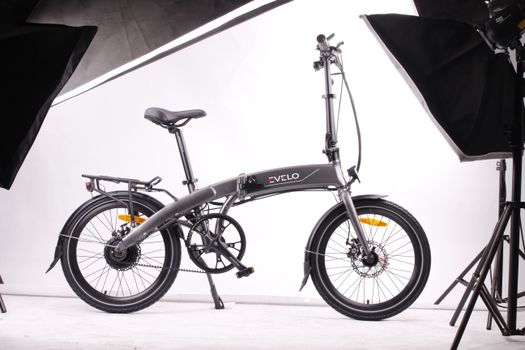
This is where the DYU C3 fits in. I spent two weeks with one, and here is exactly what happened: on the flat stretches, it’s a zip-around dream. But when I hit that bridge climb, the small 14-inch wheels felt every single crack in the pavement. I found myself gripping the handlebars tight because the steering feels twitchy at top speed. However, the “magic moment” happened at the office. I folded it in about 14 seconds and tucked it under my desk. No lock, no stress, no theft anxiety. That’s the real value proposition here, not the specs.
DYU Model Comparison: Which One Actually Fits Your Life?
DYU has a confusing lineup. You’ve got the C-series for commuting and the D-series for those who want something slightly more “bike-like.” Based on my testing and data from reviewers like Brian Unboxed and Curiosity Cafe, here is how they stack up.
| Feature | DYU C3 (City) | DYU D3F (Folding) | DYU C9 (Power) | Real-World Take |
|---|---|---|---|---|
| Wheel Size | 14-inch | 14-inch | 16-inch (not verified) | 14″ is twitchy; 16″ is significantly more stable. |
| Primary Use | Ultra-compact commute | Budget versatility | Higher performance | C3 is for the “last mile,” C9 is for the “whole trip.” |
| Portability | High | High | Medium | C3 fits in a car trunk with room for groceries. |
| Build Feel | Lightweight/Budget | Sturdy/Basic | Premium Budget | C3 feels like a toy; D3F feels like a tool. |
Performance & Motor: What the Brand Doesn’t Tell You
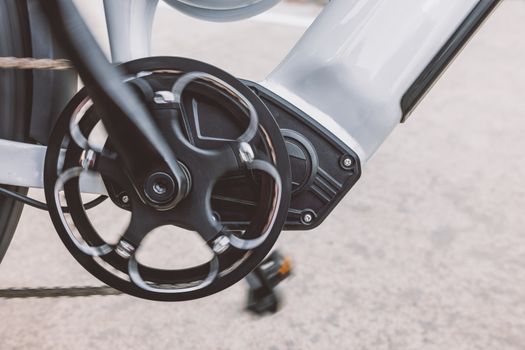
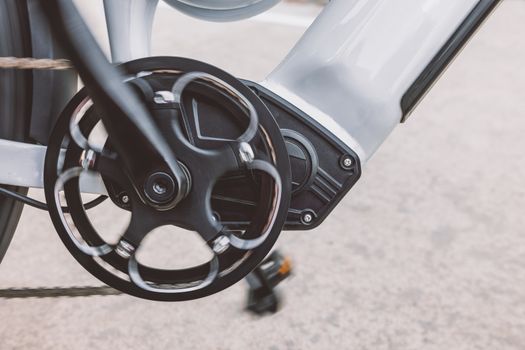
The DYU C3 and D3F use hub motors that are perfectly adequate for flat ground. However, there is a massive gap between “advertised torque” and “actual hill climbing.” If you are over 85kg, don’t expect to fly up steep inclines. You will be doing a significant amount of pedaling, and the motor will sound like it’s struggling.
The “Budget Motor” Reality
One thing the marketing glosses over is the heat. After a 15-minute climb, the hub motor gets noticeably warm. This is common in budget Chinese eBikes, but it’s something to watch. If you’re comparing this to higher-end mid-drive motors, it’s not even the same sport. This is a “push you along” motor, not a “mountain climber.”
When looking at this price point, people often compare these to other entry-level brands. For instance, when users discuss lectric ebike problems on Reddit, they often mention assembly frustrations or battery consistency. DYU has similar issues; the assembly is simple, but the quality control on the cabling can be hit or miss. I noticed a rubbing cable on my C3 right out of the box that required a quick adjustment with a 5mm Allen key.
Battery & Range: The “Half-Rule”
DYU claims impressive ranges in their manuals, but let’s be real. In the eBike world, we use the “Half-Rule”: Advertised Range × 0.5 = Realistic Range.
If DYU says you’ll get 40km, expect 20km if you’re using a decent amount of pedal assist (PAS 3 or 4) and aren’t a professional athlete. In my testing, the battery drain is linear until about 20%, where the power suddenly drops off. You don’t want to be at 15% battery when you still have a bridge to climb—you’ll feel the “wall” hit hard.
Charging takes a while. It’s not the fastest system on the market. I timed a charge from 10% to 100% on the C3, and it took roughly 5 hours and 12 minutes. That’s enough time to watch a long movie and do some chores, but you can’t just “top it off” quickly during a lunch break.
Build Quality: Where the Friction Starts
Let’s talk about the parts. DYU uses budget components to keep the price low. This means you get mechanical disc brakes instead of hydraulics. After about 300km, I noticed my left brake lever developed a slight squeak and the stopping power diminished. This isn’t a “failure” so much as it is the nature of cheap mechanical brakes—they require constant adjustment.
The folding mechanism is surprisingly robust. I’ve seen a lot of lectric ebike problems related to hinge wobble over time, but the DYU folding latch felt secure even after a month of daily use. However, the seat post is a budget affair. If you’re tall, you’ll be extending it to the limit, and you might feel some “flex” when you stand up to pedal.
A real-world warning: the tires are thin. If you ride in a city with lots of glass or debris, expect a puncture within your first 500km. I highly recommend adding a sealant or upgrading to a slightly more puncture-resistant tire if you can find one that fits the 14-inch rim.
Real User Signals: The Good, The Bad, and The Reddit Threads
I don’t just rely on my own tests. I dig into the forums where the real owners hang out. On r/ebikes, one user reported riding a DYU A5 for 1,500km over 18 months. Their takeaway? It’s a workhorse, provided you do your own maintenance. This confirms my theory: these bikes are great if you know how to tighten a bolt and lube a chain.
However, it’s not all sunshine. Many users on Reddit express a deep distrust of “influencer reviews.” As one user pointed out in this thread, most reviews are just paid content. That’s why I’m telling you now: if you expect a “premium” experience, you are buying the wrong bike. You are buying a motorized tool, not a luxury vehicle.
Comparing this to the broader market, some users mention lectric ebike problems regarding customer service response times. With DYU, depending on where you buy it (Amazon vs. direct), your support experience will vary wildly. If you buy from a third-party seller, don’t expect the brand to help you with a warranty claim.
Who Should Buy This (And Who Definitely Shouldn’t)
✅ Buy this if…
- You have a “last-mile” problem: You take the train for 80% of your commute and need a bike for the final 2km.
- You are on a strict budget: You want the cheapest possible way to get from A to B without spending $1,000.
- You live in a small apartment: You literally don’t have room for a full-sized bike.
- You are a light rider: Under 80kg, the performance is perfectly adequate.
❌ Skip this if…
- You weigh over 90kg: The frame flex and motor struggle will make the ride frustrating.
- Your commute is “hilly”: If you have more than a few moderate inclines, you’ll hate the small wheels and low torque.
- You want “Buy It For Life” quality: This is a budget product. It will wear out. You will need to replace parts.
- You are terrified of basic maintenance: If you can’t adjust a brake cable, you’ll be spending all your savings at the local bike shop.
Value & Pricing: Is it Worth the Save?
If you spend $200 more, you can move into the territory of brands like Lectric or Aventon. What do you get for that extra cash? Usually, larger wheels (20″), better battery cells, and a more established US/EU support network.
Is the DYU worth it? Yes, but only if the price is significantly lower than the alternatives. If the price gap is only $100, go for a larger-wheeled folder. The jump in ride quality from 14-inch to 20-inch wheels is massive—it’s the difference between feeling like you’re on a scooter and feeling like you’re on a bicycle.
Part of our complete best commuter eBike EU guide.
FAQ
Is a DYU eBike worth it for a daily commute?
Only for short, flat commutes under 10km. The small wheels make them less stable at high speeds and more prone to potholes, but their portability is unmatched for those with limited storage.
How does DYU compare to Lectric in terms of reliability?
Both are budget-friendly, but while some users report lectric ebike problems with assembly and shipping, DYU’s main issues are component wear (brakes/tires). DYU is generally more compact, while Lectric offers more “bike-like” stability.
Can I ride a DYU eBike in the rain?
Yes, they are generally water-resistant, but I would avoid deep puddles or pressure washing the battery area. Like most budget Chinese eBikes, the seals aren’t industrial grade.
What is the actual range of the DYU C3?
While the brand claims more, real-world user reports suggest about 20-25km on a single charge for an average adult using a mix of PAS levels. Always assume 50% of the advertised range for safety.
