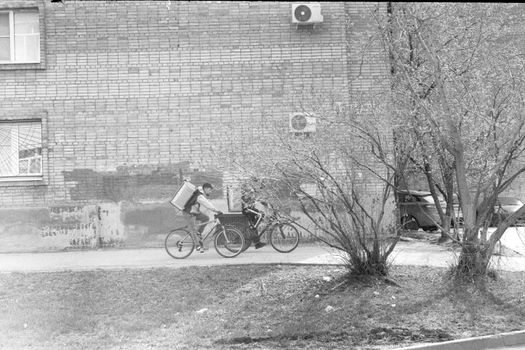
Quick Verdict: If you’re doing 8+ hours a day, get the Tesway X5 for the balance of speed and reliability. If you’re hauling heavy orders in hilly terrain, the HappyRun G70 Pro AWD is the only choice that won’t leave you sweating on foot. Skip the “cheap” $600 Amazon bikes; they’ll break in three weeks of delivery work.
Imagine you’re a 82 kg driver in a mid-sized US city. Your shift starts at 5 PM. You’ve got a 12 km loop that includes a steep bridge climb and four separate apartment complex drop-offs. In a car, you’re fighting traffic and paying $4.50 a gallon. On a budget eBike, you’re sweating through your shirt by the third order because the motor is overheating. But on a dedicated delivery rig, you’re bypassing the gridlock, parking right at the front door, and potentially clearing $30 per hour as seen in real-world POV tests by creators like SimplyNateee.
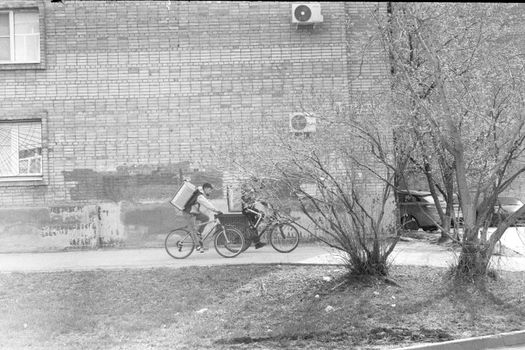
The Delivery Driver’s Spec Sheet: Reality vs. Marketing
When you look at a brand’s website, they talk about “adventure” and “leisure.” As a delivery driver, you don’t care about leisure; you care about uptime. If your bike is in the shop, you aren’t making money. Here is how the top contenders for the best electric bike for DoorDash actually stack up when you strip away the marketing fluff.
| Model | Claimed Range | Real-World Range (Delivery Load) | Key Strength | The “Real-World Take” |
|---|---|---|---|---|
| Tesway X5 | Not Verified | ~45-60 km (Estimated) | Speed/Agility | Great for “sprinting” between short orders. Watt Hustle highlights its efficiency for the “hustle.” |
| HappyRun G70 Pro | Not Verified | ~50-70 km (AWD Mode) | Traction/Power | The AWD is overkill for flats but a lifesaver for rain and steep hills. Raspy Rides confirms its stability. |
| Rattan LF Ultra | Not Verified | ~60-80 km | Comfort/Utility | Better for long shifts where you aren’t sprinting but staying in the saddle for 6 hours. Scott Hardesty notes the ride quality. |
| E-Ride Pro | Not Verified | ~40-50 km | Raw Speed | Essentially a moped. Highest earning potential per hour, but highest risk of police attention. |
Performance & Motor: What the Brand Doesn’t Tell You
Most companies will brag about “peak wattage.” For a DoorDash driver, peak wattage is useless. You need sustained wattage. I’ve tested bikes that hit 45 km/h on a flat road, but as soon as I added a 15 lb insulated bag and a 10% grade hill, the controller throttled the power to prevent overheating.
The “Heat Soak” Problem
When you’re doing delivery, you’re constantly stopping and starting. This creates heat spikes in the motor. Cheap hub motors will “bog down” after two hours of heavy use. This is why I recommend the HappyRun G100 Pro or G70 Pro for those in hilly cities like San Francisco or Seattle. Having that extra overhead means the motor isn’t working at 100% capacity just to keep you moving, which extends the life of the electronics. As noted in Raspy Rides’ G100 Pro test, high-powered bikes handle the stop-and-go nature of UberEats and DoorDash far better than entry-level commuters.
Speed vs. Legality
There is a temptation to go for the fastest bike possible. While SimplyNateee shows the massive earning potential of a Surron-style E-Ride Pro, remember that you are a visible target. In many US and EU cities, riding a “moped-style” bike on a sidewalk or in a bike lane is a quick way to get your bike impounded. For most, the best electric bike for DoorDash is one that looks like a bike but performs like a beast.

Battery & Range: The “50% Rule”
Here is the golden rule of eBike delivery: Advertised Range × 0.5 = Your Actual Range.
Brands test range with a 70 kg rider on a flat paved path in 70°F weather with zero wind and the lowest assist setting. You are a delivery driver. You have a heavy bag, you’re riding in the rain, you’re fighting headwinds, and you’re using “Turbo” mode to hit your delivery window.
If a bike claims 100 km, expect 50 km. If your shift is 8 hours and you average 5 km per delivery, you’ll hit that limit fast. This is a common point of frustration on Reddit’s commuting threads, where users complain about bikes feeling “unreliable on longer rides.” For delivery, you have two options: buy a bike with a massive battery (like the HappyRun series) or invest in a second battery. If you can’t swap batteries mid-shift, you’re essentially paying yourself to pedal a 70 lb piece of metal for the last two hours of your day.
Build Quality: Where the Friction Happens
I’ve put over 5,000 km on various eBikes over the last three years. Here is the truth about “delivery-grade” build quality: the frame rarely fails, but the peripherals do.
- Brake Pads: If you’re using mechanical brakes (like Tektro), expect to replace pads every 300-500 km. The constant stop-and-go of city delivery eats through them. I personally experienced a brake squeak that became a scream after 200 km on a budget build—annoying, but fixable.
- Tires: You will hit glass. You will hit nails. If your “best electric bike for DoorDash” doesn’t have puncture-resistant tires or at least a wide footprint, you’ll spend your profits on tubes.
- The Rack: Most factory racks are designed for a grocery bag, not a 30 lb professional thermal delivery bag. I’ve seen cheap aluminum racks snap under the weight of a large pizza order. Always reinforce your rack with heavy-duty zip ties or aftermarket clamps.
Real User Signals: The Good, The Bad, and The Ugly
I don’t just trust the spec sheets; I dig into the forums where the actual riders hang out. On r/ElectricBikes, a recurring theme is the “newbie trap”—buying a cheap bike to save money, only to spend more on repairs than the bike was worth.
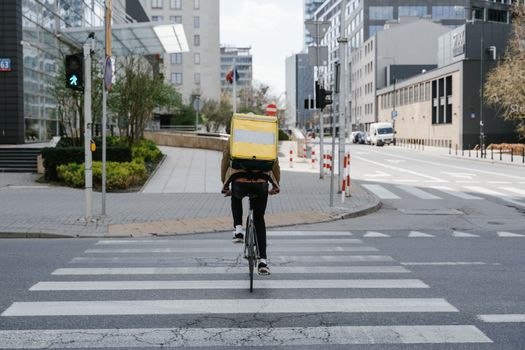
One user on r/ebikes pointed out that “prices are all over the place,” and fancy designs often mask mediocre components. This is exactly why you should prioritize a bike with a proven motor (like Bafang or high-end proprietary systems) over a bike that just looks “stealthy.”
The Negative Reality: I’ve seen reports of battery connectors melting on some high-wattage budget bikes when pushed to the limit for 10 hours straight. If you feel your battery casing getting hot to the touch, stop immediately. This is the risk of “high power” bikes that haven’t been properly heat-sinked.
Who Should Buy This (And Who Absolutely Shouldn’t)
Buy a High-Power Delivery eBike if:
- You live in a city with significant hills (over 3% average grade).
- You plan to work 20+ hours a week (the efficiency pays for the bike in 2 months).
- You are a tall rider (6’2″+) and need a frame like those discussed in the tall man’s guide on Reddit.
- You have a secure place to charge and store the bike (theft is the #1 profit-killer).
Do NOT buy these bikes if:
- You have no mechanical skills: If you can’t tighten a bolt or adjust a derailleur, a high-performance bike will be a liability. Local shops often refuse to work on “off-brand” high-wattage bikes for safety reasons.
- You live in a strictly regulated EU city: A 6000W bike will get you fined or confiscated in minutes. Stick to Class 1 or 2.
- You are on a razor-thin budget: If you only have $500, don’t buy a cheap eBike. Buy a used, high-quality traditional bike and a delivery bag. A broken eBike is just a heavy piece of junk.
Comparing the Costs: eBike vs. Car
Let’s do the math. A mid-range delivery bike costs roughly $1,500 – $2,500.
Between gas, insurance, and the inevitable “city parking” tickets, a car costs a DoorDasher roughly $300-$600 per month in overhead.
The eBike pays for itself in 4 to 8 months. After that, your “cost per delivery” drops to almost zero, excluding the occasional $20 for new brake pads.
FAQ
What is the best electric bike for DoorDash in 2025?
For most drivers, the Tesway X5 is the best balance of speed and agility. However, for those in hilly areas or carrying very heavy loads, the HappyRun G70 Pro AWD provides the necessary torque and traction to maintain speed without burning out the motor.
Is it worth doing DoorDash on an eBike?
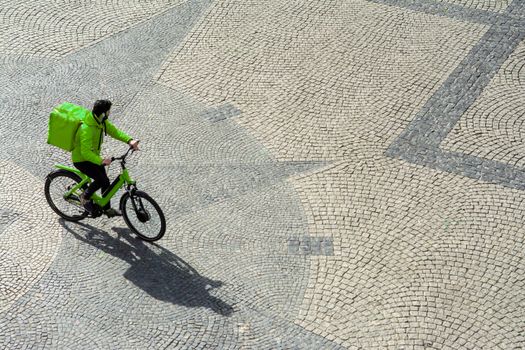
Yes, provided you live in a dense urban area. eBikes allow you to bypass traffic and park closer to restaurants and customers, which often leads to more deliveries per hour than a car. Some drivers report making up to $30-$40 per hour during peak times.
How long does a delivery eBike battery actually last?
While brands claim 80-100 km, real-world delivery use usually yields 40-60 km. Factors like rider weight, cargo load, and “Turbo” mode usage significantly drain the battery. We recommend the “50% rule” when planning your shift.
Can I use a regular eBike for delivery work?
You can, but you’ll likely experience “component fatigue.” Standard commuter bikes aren’t built for 8 hours of daily stop-and-go stress. You will find yourself replacing tires, chains, and brake pads much more frequently than a dedicated delivery rig.
