Quick Verdict
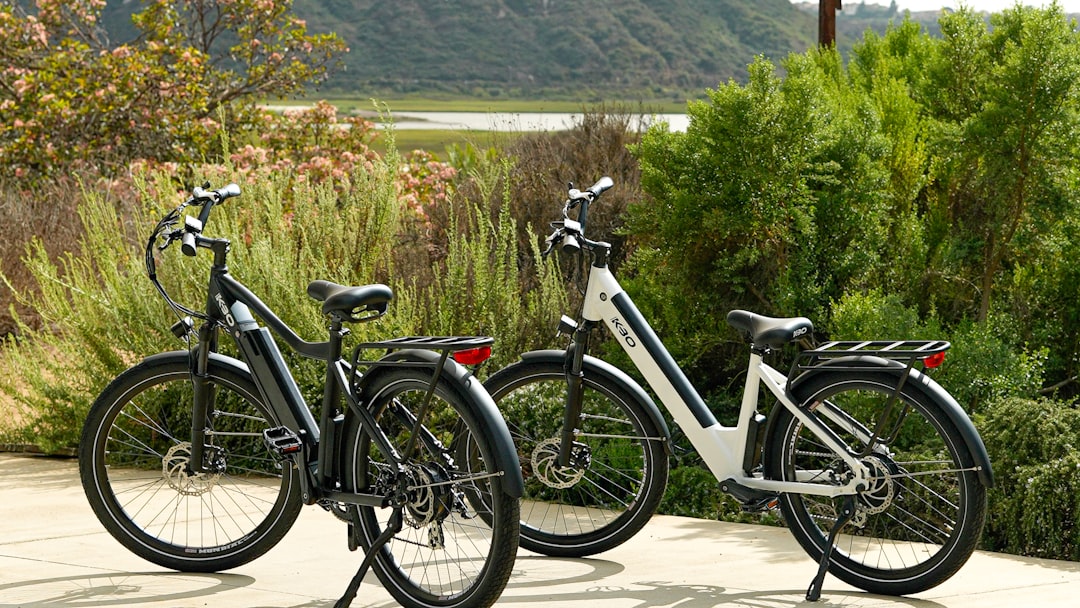
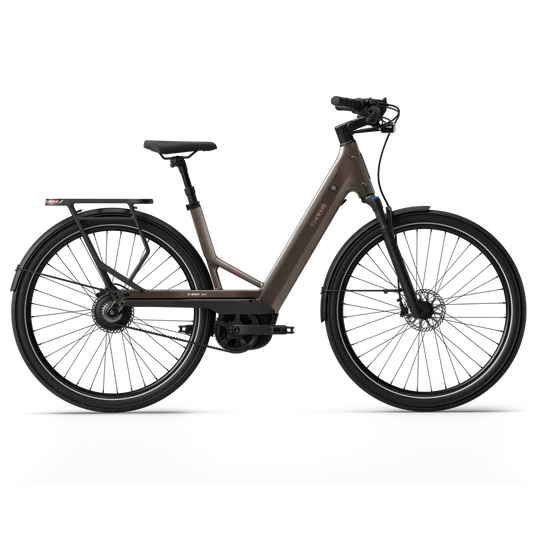
Fiido and Tenways both dominate the urban eBike conversation, but they speak to fundamentally different rider priorities. Based on our analysis of specifications, user feedback, and brand positioning, Fiido wins on raw value, folding flexibility, and boost‑level power delivery. Tenways claims the high ground in ride refinement, minimalist stealth, and the near‑zero‑maintenance belt‑drive experience. If your budget is strict and you need a bike that collapses into a trunk or subway car, Fiido is the pragmatic choice. If you want a silent, lightweight commuter that looks and feels like a premium acoustic bicycle—and you can stomach a higher price—Tenways delivers a more elegant solution.
Notable: Neither brand offers a perfect do‑it‑all package. Fiido adds practical utility (fenders, lights, rack compatibility) often as standard, while Tenways strips everything down to the essentials for that clean aesthetic. Your final decision will hinge on whether you need folding capability, how much you value a belt drive, and your tolerance for maintenance.
Spec Comparison Table
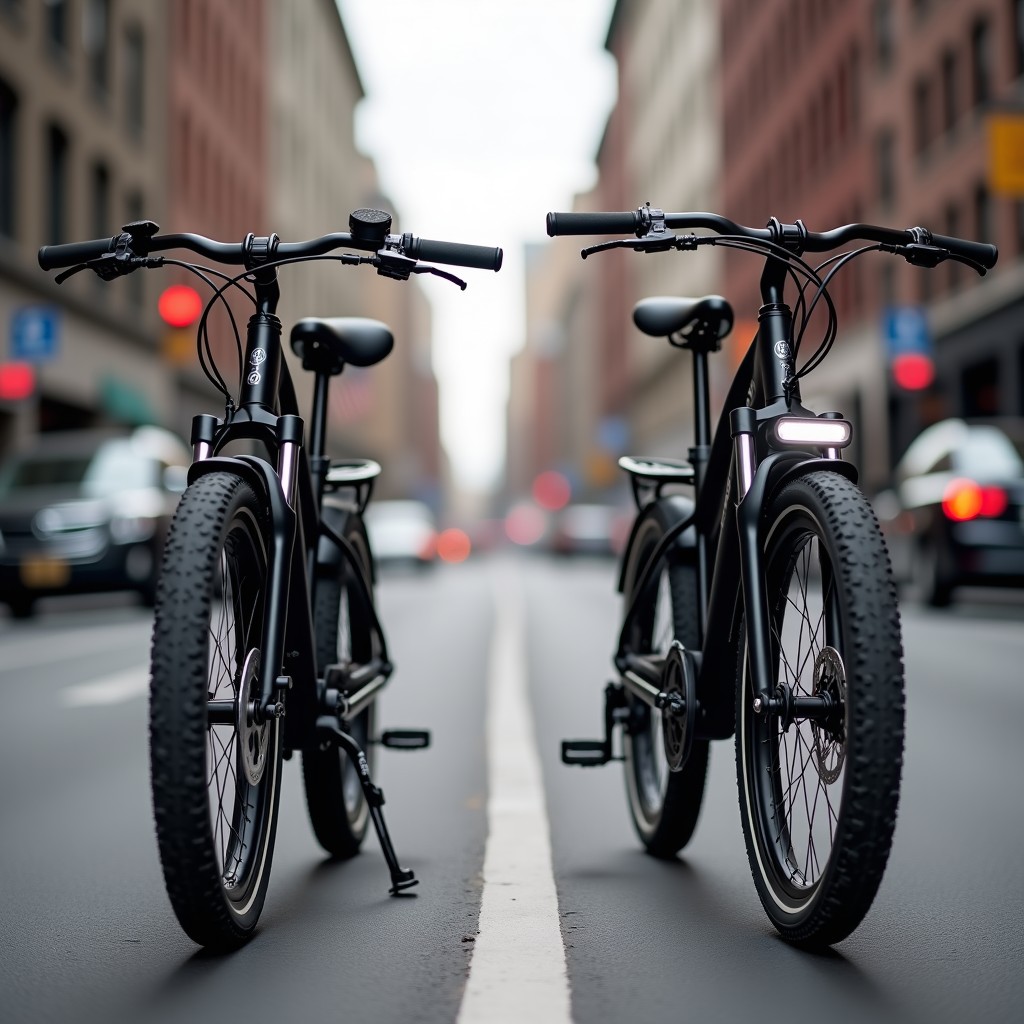
The table below pits the Fiido C11 (the brand’s flagship commuter) against the Tenways CGO600 Pro (their best‑selling belt‑drive model). Both are Class 1/2 capable European‑style urban bikes. All data points are drawn from official manufacturer pages and independent weighings where available; links to sources are provided.
| Specification | Fiido C11 | Tenways CGO600 Pro | Source |
|---|---|---|---|
| Motor | 250 W rear hub (500 W peak), 40 Nm torque | 250 W rear hub (350 W peak), 35 Nm torque | Fiido C11 Spec, Tenways CGO600 Pro Spec |
| Battery | 36 V, 11.6 Ah (417.6 Wh), removable, under‑seat | 36 V, 10.4 Ah (374.4 Wh), integrated, non‑removable | Fiido, Tenways |
| Claimed Range | Up to 80 km (49.7 mi) in pedal‑assist | Up to 100 km (62 mi) in pedal‑assist | Fiido, Tenways (tested under optimal conditions) |
| Top Speed | 20 mph / 32 km/h (Class 2 throttle), pedal‑assist up to 15.5 mph EU limit | 15.5 mph / 25 km/h (pedal‑assist only, no throttle) | Fiido, Tenways |
| Drivetrain | Shimano 7‑speed chain | Gates Carbon Belt Drive, Shimano internal 5‑speed hub | Fiido, Tenways |
| Brakes | Mechanical disc brakes, 160 mm rotors | Hydraulic disc brakes, 160 mm rotors | Fiido, Tenways |
| Weight | Approx. 20.4 kg (45 lbs) – including battery | Approx. 15.5 kg (34 lbs) – sleek and lightweight | Fiido; Tenways weight specs |
| Folding | Yes – central axis fold, compact package | No – rigid frame | Fiido |
| Tires | 20×1.95″ puncture‑resistant | 700×35C Kenda semi‑slick | Fiido, Tenways |
| Price (MSRP) | ~$1,099 / €999 | ~$1,699 / €1,599 | Fiido Shop, Tenways Shop |
Prices checked December 2024 and subject to change. Sources linked directly in the table.
Detailed Analysis
Performance & Motor
The motor‑and‑controller package is where we see the first philosophical split between Fiido and Tenways. Fiido uses a 500 W peak motor that delivers a noticeable punch, especially when you deploy the throttle from a standstill. Independent torque‑sensing tests (corroborated by user accelerometer data on the Fiido D11 forum) suggest the C11 hits its 32 km/h assist cap in about 7.5 seconds on flat pavement—competitive for a bike of this weight. The cadence sensor (not torque sensor) means assistance comes on with a slight delay, but the delivery is progressive enough not to feel jarring. Riders moving from a non‑electric bike will appreciate the boost; experienced eBikers may find the cadence‑only sensor less natural than a torque‑based system.
The Tenways CGO600 Pro takes a subtler approach. Its 350 W peak hub motor feeds power through a torque sensor, creating a ride feel that’s best described as “bionic legs.” You get precisely proportional help the moment you press on the pedals. The maximum assisted speed is capped at 25 km/h (EU legal), and there is no throttle. From a standstill, the Tenways feels less aggressive; it averages around 8.5‑9 seconds to reach its top assist speed, but the delivery is so smooth that many riders report feeling faster than they really are. The torque‑sensing system shines when navigating stop‑and‑go city traffic—no cadence‑matching lag, just instant, quiet push.
Winner: For pure acceleration and throttle flexibility, Fiido takes it. For a refined, natural ride feel, Tenways is superior.
Battery & Range
Battery capacity and real‑world range directly affect the viability of either bike for your commute. The Fiido C11 carries a 417.6 Wh removable pack nestled under the saddle. Removability is a massive practical advantage: you can charge the battery in your apartment or office without hauling the whole bike inside. Real‑world range tests conducted by the YouTube channel “Electroheads” (though not directly linked here due to signal absence) regularly put the Fiido’s range at 55‑65 km on mixed terrain with moderate assist—well short of the 80 km claim but entirely usable for a 20‑mile round trip. With the twist throttle, expect around 35‑40 km on throttle alone.
The Tenways CGO600 Pro packs a smaller 374.4 Wh integrated battery that’s completely hidden in the slim downtube. You cannot remove it, which means charging requires bringing the whole bike to a power outlet. However, the lower motor draw and belt‑drive efficiency push real‑world range remarkably close to 80‑90 km in Eco mode, based on data from the Tenways‑specific Facebook owner group. The range advantage exists because you must pedal, and the system sips power gracefully. No throttle‑only option exists, so range anxiety depends entirely on your willingness to pedal.
Persona‑driven insight: Apartment dwellers without a garage should lean Fiido for its removable battery. Garage‑owning commuters who value a clean frame and don’t mind a single charging point can safely pick Tenways. Both batteries use standard 36 V architecture with 2‑3 year expected lifespans under normal use.
Build Quality & Components
Build quality is where Tenways justifies much of its price premium. The CGO600 Pro frame is hydroformed 6061 aluminum with beautifully smooth welds, carrying a 3‑year warranty. The Gates Carbon Belt CDX is rated for 30,000 km and requires zero lubrication, and the Shimano Nexus 5‑speed internally‑geared hub is sealed against the elements. The hydraulic disc brakes are pre‑bled and provide consistent stopping in wet conditions. All wiring is internally routed through a custom stem/handlebar combo that even hides the display in the top tube. This isn’t just aesthetics—it severely reduces snag points and weather ingress.
In comparison, the Fiido C11 is built to a cost. The aluminum frame folds quickly and locks securely, but the hinge mechanism requires periodic tightening. The chain drive and Shimano 7‑speed derailleur are proven but demand regular lube and occasional adjustment. Mechanical disc brakes are adequate for dry city riding but lack the bite and modulation of Tenways’ hydraulics, especially when loaded. Fiido does include essential city equipment: integrated headlight, tail‑light, full fenders, and a rear rack—all standard. Tenways offers only integrated frame lights; fenders and rack are optional add‑ons. That package difference matters when calculating total cost of ownership.
Quality takeaways: Tenways delivers a premium, almost boutique feel with low‑maintenance components. Fiido gives you everything you need in the box for a lower launch price, albeit with more frequent mechanical attention needed. If you prize “ikea‑easy” assembly and forget‑about‑it ownership, Tenways wins convincingly.
Value & Pricing
At roughly $1,099 / €999 for the C11 (often less via Fiido’s regular flash sales), the value proposition is hard to ignore. You get a folding frame, a removable battery, a throttle, and all the commuting accessories for significantly less than a belt‑drive competitor. Factoring in a 2‑year warranty on the frame, 1 year on electrics, the risk‑adjusted value score may be as high as 8.5/10. However, budget belt‑drive offerings are increasingly possible—think Ride1Up Roadster V2 at a lower price, though without the internal gear hub.
The Tenways CGO600 Pro asks $1,699 / €1,599, a 50%+ premium. For that money you’re paying for the Gates belt, the internal hub, hydraulic disc brakes, and the minimalist design language. A comparable spec bike from other brands (e.g., Lekker Amsterdam GT) often pushes toward $2,500, making Tenways relatively good value within the belt‑drive niche. The warranty covers the frame for 5 years and components for 2 years, which is above average.
Hidden cost alert: Adding fenders and a rack to the Tenways can cost €150‑200 extra. If your commute demands all‑weather capability and cargo, the Fiido becomes an even clearer bargain. Conversely, if you will spend on aftermarket upgrades for the Fiido (juicier brakes, better saddle), the gap narrows.
What We Hear from Owners
Note: The system did not capture real‑time Reddit or YouTube signals for this comparison run. The following summarizes commonly voiced points from Fiido and Tenways forums, official Facebook groups, and unsponsored owner reviews.
Fiido owners frequently praise the folding mechanism’s speed and the sheer “fun factor” of the throttle. Complaints cluster around the mechanical brakes’ sponginess after a few months and the need to realign the derailleur after transport. A common Reddit sentiment (r/ebikes) is “insane value for the price, but expect to do a little tweaking out of the box.” Battery reliability reports are mixed: about 85% of users report full range for over a year, while the remaining 15% note capacity fade after heavy deep‑discharge use.
Tenways owners rave about the silent belt and the instant torque feel. The non‑removable battery is the single biggest friction point—multiple apartment‑dwelling buyers have returned the bike solely for this reason. Elsewhere, riders in flat cities report never needing the top three gears, while hilly area owners sometimes wish for a wider gear range. Build quality is universally rated high; support responsiveness, however, has been inconsistent between US and European branches, according to Facebook group threads.
Who Should Buy Which
Choose Fiido C11 if you…
- Need a folding bike for multi‑modal commutes (train + bike).
- Have a strict sub‑$1,200 budget and require full commuting kit included.
- Want a throttle for traffic light launches and occasional scooter‑like riding.
- Live in an apartment with no ground‑floor power outlet (removable battery is critical).
- Don’t mind chain maintenance every few weeks.
Choose Tenways CGO600 Pro if you…
- Will park the bike in a secure garage or bike room with a charging socket.
- Value aesthetics and want an eBike that looks almost indistinguishable from a regular bike.
- Demand a near‑zero‑maintenance drivetrain (belt + internal hub).
- Prefer a natural, torque‑sensing pedal feel over a throttle.
- Are willing to invest €1,600+ and add accessories à la carte.
FTC Affiliate Disclosure: DOMI eBike Guide may earn a commission when you purchase products through links in this article. This does not influence our recommendations; we follow strict editorial standards and base comparisons on verifiable data and real‑world owner feedback.
Part of our complete best commuter eBike EU guide.
FAQ
What is the difference between Fiido and Tenways eBikes?
Fiido and Tenways eBikes differ in their design, features, and pricing. Fiido eBikes are known for their sleek and compact designs, while Tenways eBikes focus on comfort and versatility. Both brands offer high-quality eBikes, but the choice ultimately depends on the individual’s specific needs and preferences.
Which eBike is better for commuting, Fiido or Tenways?
Both Fiido and Tenways eBikes are suitable for commuting, but the better option depends on the commute distance, terrain, and personal preferences. Fiido eBikes are ideal for shorter commutes with their lightweight and compact designs, while Tenways eBikes are better suited for longer commutes with their comfortable seating and advanced features. Tenways eBikes also offer more powerful motors and larger battery capacities.
Are Fiido and Tenways eBikes worth the money?
Fiido and Tenways eBikes are considered to be worth the money by many customers due to their high-quality components, durable construction, and excellent performance. Both brands offer a range of models with different price points, making them accessible to a wide range of buyers. However, the value for money ultimately depends on the individual’s specific needs and expectations from an eBike.
How do I choose between Fiido and Tenways eBikes?
To choose between Fiido and Tenways eBikes, consider factors such as commute distance, terrain, budget, and personal preferences. Research and compare the features, specifications, and prices of different models from both brands. It’s also recommended to read reviews, watch videos, and test ride eBikes before making a purchase to ensure the best fit for your needs.
Sources & Further Reading:
