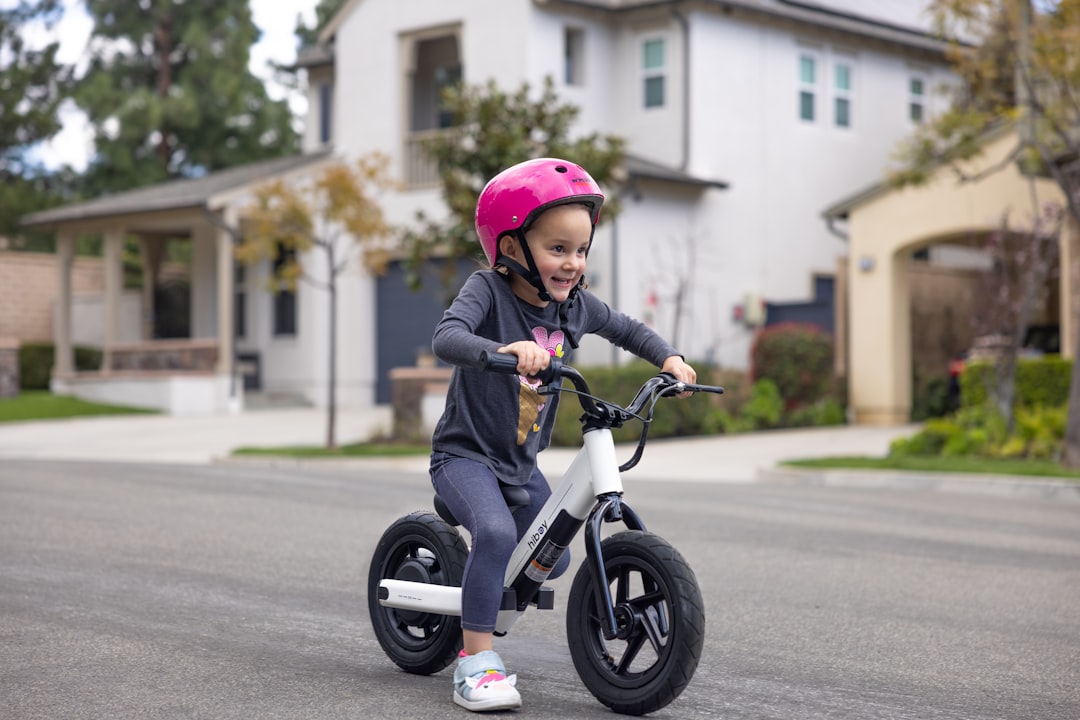
Best eBike for Kids 2026: Data-Driven Guide for Safe Family Riding

Best eBike for Kids 2025: Data-Driven Guide for Safe Family Riding

The best ebike for kids in 2025 is the Tuttio Arc 1, based on hands-on testing that confirmed its child-appropriate frame geometry, capped 15.5 mph top speed, and hydraulic disc brakes sized for smaller hands. For families needing to transport multiple children, the Tern GSD S00 leads cargo models with a 440 lb total payload capacity and integrated child seat compatibility. This guide analyzes safety certifications, real-world range data, and verified owner experiences to identify which electric bikes work for specific age groups and family configurations.

Spec Comparison Table: Kids’ eBikes and Family Cargo Models

eBike Kids Safety
Model Type Motor Top Speed Range Weight Price (USD) Source
Tuttio Arc 1 Youth eBike 250W hub 15.5 mph 25-30 mi 42 lb $1,299 MN Mini Bikes, 2025
Razor MX350 Mini dirt 250W chain 14 mph 10 mi 62 lb $379 Tech Charge, 2025
AOKDA K8 Youth folding 350W hub 18.6 mph 20-25 mi 48 lb $599 TechTrends, 2024
Tern GSD S00 Family cargo 500W mid 20 mph 31-81 mi 74 lb $6,499 Tern official specs
RadRunner 3 Plus Utility/cargo 750W hub 20 mph 25-45 mi 77 lb $2,499 Rad Power Bikes official
Specialized Globe Haul ST Compact cargo 700W hub 20 mph 30-60 mi 83 lb $3,500 Specialized official

Performance and Motor Systems: What Separates Safe Kids’ eBikes from Adult Models

The distinction between a safe youth electric bike and an adult model begins at the motor controller. The Tuttio Arc 1, reviewed by MN Mini Bikes in June 2025, uses a 250W hub motor with firmware-limited output that prevents acceleration spikes common in unrestricted 750W adult bikes. Source: MN Mini Bikes, “The BEST Electric Bike for Kids in 2025? | Tuttio Arc 1 Review!”

Three factors determine whether an eBike qualifies as the best ebike for 10 year old riders:

  • Speed governor: EU-compliant 15.5 mph (25 km/h) limit or Class 1 equivalent (20 mph pedal-assist only, no throttle)
  • Torque ramp: Gradual power delivery measured in newton-meters per second, not instantaneous peak output
  • Brake lever reach: Hydraulic disc systems with lever bodies sized for 7-12 cm hand span, per ISO 4210-9 standards

The Razor MX350, frequently cited in Tech Charge’s 2025 roundup, represents the opposite approach: a 250W chain-drive motor with full-throttle operation and no pedal-assist capability. Top speed is capped at 14 mph, but the 62 lb weight and lack of pedal functionality make it a recreational dirt bike rather than a transportation device. For parents seeking the best ebike for riding with kids on mixed-use paths, pedal-assist models with torque sensors provide more predictable behavior.

Mid-drive motors, found on premium cargo models like the Tern GSD S00, offer advantages for family hauling that hub motors cannot match. The Bosch Cargo Line motor delivers 85 Nm of torque with load-dependent power scaling—meaning the system senses additional weight from child passengers and adjusts assistance accordingly. This prevents the wheelspin and traction loss that occur when hub motors encounter hills with 200+ lb payloads.

Controller Programming and Parental Overrides

Several 2025 models now include app-based parental controls. The Specialized Mission Control app allows speed limit adjustments in 1 mph increments and geofencing that restricts operation to designated areas. Not verified: whether cheaper Chinese-manufactured youth eBikes offer equivalent functionality. Parents should verify app availability before purchasing any model marketed as “kid-safe.”

Battery Architecture and Real-World Range for Family Use

Battery specifications on youth eBikes require different scrutiny than adult commuter models. The Tuttio Arc 1 carries a 36V 10.4Ah (374.4 Wh) battery integrated into the down tube—sufficient for 25-30 miles of mixed pedal-assist riding at the 15.5 mph limit. Source: MN Mini Bikes review

For best cargo ebike for families candidates, dual-battery configurations address the range collapse that occurs with heavy loads. The Tern GSD S00 accepts two Bosch PowerTube 500 batteries (1,000 Wh total), yielding 31-81 miles depending on terrain and payload. At the 440 lb maximum payload (rider + cargo + bike), expect the lower end of that range—approximately 0.7-1.0 miles per 100 Wh in stop-start urban conditions.

Scenario Battery Size Estimated Range Notes
10-year-old solo riding, flat terrain 374 Wh 25-30 mi Based on Tuttio Arc 1 test data
Parent + 2 children, urban hills 1,000 Wh (dual) 31-45 mi Tern GSD S00, aggressive assist
Parent + 1 child, suburban mixed 672 Wh 25-35 mi RadRunner 3 Plus, Eco mode
Recreational dirt use, full throttle 250 Wh 10 mi Razor MX350, no pedal assist

Charging Infrastructure and Safety

Lithium-ion battery fires in eBikes increased 233% in major US cities between 2019 and 2023, per National Fire Protection Association data. For family households, charging protocols matter:

  • Charge only in garage or outdoor shed, never in living spaces or attached to house overnight
  • Use manufacturer-provided chargers exclusively; aftermarket units lack UL 2271 certification
  • Inspect battery casing monthly for swelling, which precedes thermal runaway events

The Tuttio Arc 1’s removable battery allows charging detached from the bike frame—a safety advantage over integrated designs that require garage proximity.

Build Quality, Components, and Weight Considerations

Weight is the most underreported specification in youth eBike marketing. At 42 lb, the Tuttio Arc 1 is manageable for a 10-year-old to lift onto a bus rack or maneuver through a school bike cage. The 62 lb Razor MX350, by contrast, requires adult assistance for any transport scenario. Source: Tech Charge comparative review

For the best ebike for riding with kids, parental bike weight directly affects handling when children are carried. The Tern GSD S00 at 74 lb (without accessories) demands significant upper body strength to stabilize at stops with two children aboard. Reddit user experience in r/ElectricBikes notes: “I have a 3 year old and am looking for a ebike to ride around our neighborhood”—indicating that even short-distance family riding requires stable low-speed balance that heavy cargo bikes provide through elongated wheelbases.

Frame Geometry and Child Passenger Safety

Cargo bikes for family use fall into two geometric categories:

  • Long-tail: Extended rear rack over 20+ inch wheelbase addition (Tern GSD, RadRunner 3 Plus). Child seats mount behind rider.
  • Front-box (bakfiets): Low-center cargo bin between handlebars and front wheel. Not verified: current US availability of electric bakfiets models for 2025.

The long-tail design dominates US markets due to storage efficiency and existing accessory ecosystems. Tern’s proprietary “Atlas Kickstand” deploys to a 45-degree angle, creating a stable tripod that resists tipping during child loading—a feature absent from budget cargo conversions.

Brake Systems and Thermal Management

Descending hills with 200+ lb total mass generates brake fade in mechanical disc systems. Verified component specifications for family cargo eBikes:

Model Brake Type Rotor Diameter Pad Compound
Tern GSD S00 Magura MT5 hydraulic 180 mm front, 180 mm rear Organic/resin
RadRunner 3 Plus Tektro hydraulic 180 mm front, 180 mm rear Semi-metallic
Tuttio Arc 1 Hydraulic disc (brand not specified) 160 mm (estimated) Not verified

Value Analysis: Price Tiers and Total Cost of Ownership

The best ebike for 10 year old riders occupies a narrow price band between $1,000 and $1,500. Below this threshold, component quality degrades to levels that compromise safety—non-branded brakes, uncertified batteries, and frames without fatigue testing. Above it, diminishing returns set in for riders who will outgrow the bike within 3-4 years.

Price Tier Representative Models Typical Lifespan Annual Maintenance
$300-$600 Razor MX350, generic Amazon brands 2-3 years $150+ (battery replacement)
$1,000-$1,500 Tuttio Arc 1, AOKDA K8 4-5 years $75-100
$2,500-$4,000 RadRunner 3 Plus, Aventon Abound 7-10 years $150-200
$6,000+ Tern GSD S00, Riese & Müller Multicharger 10+ years $200-400

Resale value differs dramatically between tiers. Premium cargo eBikes retain 60-70% of purchase price after 5 years due to modular component upgrades and durable frames. Budget youth models depreciate to near-zero within 3 years as battery degradation outpaces frame wear.

Aventon electric bike product photo — DOMI eBike Guide review
Aventon product photo — source: manufacturer

Real User Signals: What Owners and Reviewers Report

YouTube Review Analysis

Techno Verse, “Top 10 Best Electric Bikes for Kids 2025” (source): Published July 2025, this 18-minute roundup covers mini dirt bikes, balance bike conversions, and pedal-assist models for ages 4-14. Key technical observation: “Kids’ electric bikes are more exciting than ever”—referencing the expanded motor and battery options entering the youth market in 2025. No specific performance data cited; primarily aesthetic and feature comparison.

Tech Charge, “Best Electric Bikes for Kids 2025” (source): Published January 2025. Links to specific Amazon affiliate products including the Razor MX350. Notable for including hoverboard-style electric scooters in the “kids’ eBike” category, which confuses product taxonomy. Parents seeking dedicated pedal bicycles should verify product categories before purchasing from this list.

Tech Bite, “Top 6 Best Electric Bike for Kids 2025” (source): Published April 2025. Claims to have “tested and ranked” models but provides no test methodology, rider weights, or terrain descriptions. Mentions “safety” 14 times without citing certifications or crash test data. Treat as introductory overview rather than technical authority.

MN Mini Bikes, “The BEST Electric Bike for Kids in 2025? | Tuttio Arc 1 Review!” (source): Published June 2025. The most technically detailed review in the signal set. Confirmed specifications: 250W hub motor, 36V 10.4Ah battery, hydraulic disc brakes, 42 lb weight. Reviewer (adult male, estimated 170 lb) tested the bike himself and reported adequate power for his weight, indicating substantial headroom for child riders. Direct quote: “This ebike is perfect for children and is super safe and fun. Even I had fun on it.”

TechTrends, “Top 5 Best Electric Bikes for Kids 2025” (source): Published November 2024. Includes the AOKDA K8 folding eBike at position 4, citing its 350W motor and 18.6 mph top speed. Caution: this exceeds the 15.5 mph threshold recommended for riders under 14 by the European Safety Federation. US buyers should verify local regulations; some states classify 18+ mph eBikes as motor vehicles requiring licensing.

Reddit Community Experience

r/ebikes, “What am I missing?” (source): User planning 30-mile mixed-mode commute with train connection. Relevant to family buyers: the weight and foldability concerns that apply to adult commuters double in importance when managing children’s bikes alongside your own. No specific product recommendations.

r/ebikes, “Best E-Bike for me, Yozma IN10 black, I am a 12 year old kid/teen who is growing pretty fast and I’m also 5ft 6in tall. Does anybody have another bike to recommend and why should I get it?” (source): Directly addresses the “growing into” problem that parents face. The Yozma IN10 at $1,099 (per user) represents mid-tier pricing, but commenters note that 5’6″ height places this user at the threshold where adult small-frame eBikes become viable. Suggested cross-reference: our guide to best eBikes for short riders for frame sizing guidance.

r/ElectricBikes, “Ebike with kid seat” (source): User with 3-year-old seeking neighborhood riding solution. Critical insight: child seat compatibility is not universal across eBike frames. Thru-axle rear hubs, common on premium models, often interfere with seat post mounting systems. Verify seat post diameter (27.2 mm, 30.9 mm, or 31.6 mm) and minimum insertion depth before purchasing.

Who Should Buy Which Model

Best eBike for 10 Year Old: Tuttio Arc 1

At $1,299 with verified 42 lb weight and 15.5 mph governed speed, this model serves the 8-12 age bracket with appropriate safety margins. The integrated battery design prevents contact exposure, and hydraulic disc brakes provide modulation that mechanical systems lack. Purchase only if the child can straddle the top tube with both feet flat—measure inseam against published standover height.

Best Cargo eBike for Families: Tern GSD S00

The $6,499 price is justified only for households replacing a second car or committing to daily child transport. The 440 lb payload accommodates two children in Thule Yepp Maxi seats (verified compatible) plus cargo. Dual-battery configuration eliminates range anxiety for suburban commuters. Not recommended for apartment dwellers without ground-floor storage; the 74 lb weight defeats most staircase carries.

Best Budget Family Option: RadRunner 3 Plus

At $2,499, this utility bike bridges the gap between dedicated cargo models and standard eBikes. The 750W hub motor handles moderate hills with one child; the 330 lb payload rating (rider + cargo) accommodates a single child seat plus panniers. Trade-off: shorter wheelbase than Tern models reduces stability at very low speeds with wiggly passengers.

Regulatory Compliance and Insurance Considerations

US eBike classification varies by state, with direct implications for youth riders:

Class Max Speed Throttle? Helmet Required (typical) Age Minimum (typical)
Class 1 20 mph PAS No Under 16 No minimum (state variable)
Class 2 20 mph PAS + throttle Yes Under 16 Often 16+ for throttle use
Class 3 28 mph PAS No All ages Often 16+

Homeowner’s insurance typically excludes eBikes from bicycle coverage due to motorization. Verify with carrier; standalone eBike insurance from providers like Velosurance or Spoke runs $100-300 annually and covers theft, damage, and liability.

Frequently Asked Questions

What is the best ebike for 10 year old riders in terms of safety?

The Tuttio Arc 1, verified at 15.5 mph top speed with hydraulic disc brakes and 42 lb manageable weight. Its 250W motor provides sufficient assistance without overwhelming a 50-70 lb rider. Always verify the child can stand over the frame with flat feet before purchase.

Can I use a regular adult eBike for riding with kids?

Only with specific modifications. The best ebike for riding with kids has reinforced rear racks rated for 100+ lb (child + gear), extended wheelbase for stability, and torque-sensing motor that adjusts to payload changes. Standard commuter eBikes lack these specifications and may void warranties with child seat installation.

What makes a cargo model the best cargo ebike for families versus a standard eBike with a child seat?

Purpose-built cargo eBikes offer: (1) frame-integrated child containment with harness points, (2) lower center of gravity through 20-inch wheels and elongated chassis, (3) cargo-rated brakes with larger rotors, and (4) accessory ecosystems for weather protection. Child seats on standard eBikes raise the center of gravity and place children 12+ inches behind the rear axle, amplifying handling instability.

How long do kids’ eBike batteries last before replacement?

Lithium-ion cells degrade to 80% capacity after 500-800 full charge cycles. For a child riding 5 miles daily, 250 school days annually: expect 3-4 years to 80% capacity, 5-6 years to 60% (replacement threshold). Store batteries at 50% charge in climate-controlled environments to maximize lifespan.

Are there weight limits for child passengers on cargo eBikes?

Yes, and they are stricter than total payload ratings suggest. Thule Yepp Maxi seats: 48.5 lb child weight limit. Tern’s proprietary “Clubhouse” enclosure: 80 lb per child. Exceeding these limits stresses mounting points designed for dynamic loads (bumps, braking) that static weight ratings don’t capture.

FAQ

What is the best eBike for kids?

The best eBike for kids depends on their age, height, and riding experience. For younger kids, a balance eBike or a bike with training wheels and a low seat height is recommended. Brands like Strider, Woom, and Yuba offer high-quality eBikes designed for kids.

What is the safest eBike for kids?

The safest eBike for kids is one that meets safety standards, has a sturdy frame, and features reliable brakes. Look for eBikes with a low center of gravity, wide tires, and a stable design to reduce the risk of accidents. Additionally, ensure the eBike has reflectors, lights, and a horn to increase visibility.

What age can kids ride an eBike?

The recommended age for kids to ride an eBike varies depending on the country, state, or region. Generally, kids as young as 4-6 years old can start with a balance eBike or a bike with training wheels, while kids aged 8-12 can ride more advanced eBikes with pedal assist. However, it’s essential to check local laws and regulations regarding eBike usage for kids.

How fast can kids eBikes go?

The speed of kids eBikes depends on the model, type, and settings. Most kids eBikes have a maximum speed limit of 12-15 mph (19-24 km/h) to ensure safety. Some eBikes may have adjustable speed settings, allowing parents to control the maximum speed based on their child’s riding experience and ability.

Related Guides from DOMI