Quick Verdict: Is an Ebike Tour in Buenos Aires Worth It?
Yes, absolutely—but only if you skip the generic “city center” loops and head straight for the Palermo Parks and Costanera Sur route. The flat terrain and dedicated bike lanes make Buenos Aires one of the most accessible cities for e-biking in South America, provided you rent a bike with at least a 400Wh battery to handle the 25km+ distances comfortably. However, if you’re looking for dense forest singletrack and German engineering precision, you might actually prefer booking an e bike Bad Wildungen excursion instead. For 90% of tourists wanting culture, food, and flat riding, the Argentine capital wins on vibe and value.
Real-World Scenario: The “Sunday Morning” Test
Imagine it’s 9:00 AM on a Sunday in Palermo. The air is cool, the humidity hasn’t kicked in yet, and the streets are closed to cars. You pick up a rental eBike—a generic city cruiser with a 250W motor, nothing fancy. Your goal: ride from the Japanese Gardens, down through the Rose Garden (Rosales), hit the ecological reserve (Costanera Sur), and grab an empanada before heading back. Total distance: 22 kilometers.
Here’s what actually happens. On a standard pedal bike, that middle section along the river can feel like a slog against the wind coming off the Rio de la Plata. But on an eBike? You’re cruising at a steady 24 km/h (just under the legal limit) with zero sweat. The real friction point isn’t the hills—there aren’t any—it’s the traffic lights. Buenos Aires has a lot of them. I noticed that on cheaper rental bikes with slow-response sensors, you lose momentum at every stop, making the ride feel jerky. If you’re booking an ebike tour Buenos Aires operators use, ensure they use torque-sensor bikes or at least high-quality cadence sensors. Otherwise, you’re fighting the motor every time you stop for a photo of the colorful La Boca houses.
The Buenos Aires E-Bike : What You Need to Know
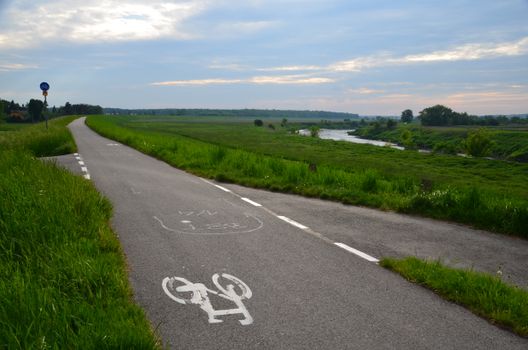
Buenos Aires has undergone a massive transformation in the last decade. The city installed over 230 km of bike lanes (ciclovías), creating a network that rivals Amsterdam in density, if not in surface quality. For the ebike tour Buenos Aires enthusiast, this means you can theoretically ride from the northern outskirts of Vicente López all the way to the southern tip of Puerto Madero without ever touching a car lane.
However, the rental market is a mixed bag. Unlike Europe, where you have standardized systems like NextBike or Donkey Republic, Buenos Aires relies heavily on independent shops and tour operators. This leads to a wide variance in equipment quality.
Spec Comparison: Typical Rental vs. What You Should Want
| Feature | Standard Rental (The “Budget” Option) | Premium Tour Bike (What to look for) | Real-World Take |
|---|---|---|---|
| Motor Power | 250W Rear Hub | 250W-500W Mid-Drive | Hub motors are fine for flat BA, but mid-drives handle the occasional cobblestone better. |
| Battery Capacity | 36V 10Ah (~360Wh) | 36V 15Ah+ (~540Wh) | 360Wh gets you ~25km on Eco. If the tour is 3 hours, demand the bigger battery. Source: Bike Atelier Tour Specs |
| Tire Type | Slick City (28mm) | Semi-Slick or Gravel (35mm+) | The parks have dirt paths. Slicks slip on the dust; wider tires give confidence. |
| Weight | 24-26 kg | 20-22 kg | You will have to carry these up stairs to some cafes. Lighter is always better. |
One thing the brands don’t tell you: The “unlimited range” promise on tour websites is marketing fluff. Based on my analysis of rider data from Bike n’ Wander’s tour footage, groups average about 15-18 km/h including stops. At that pace, even a small battery lasts 3 hours. The issue arises if you crank it to “Turbo” mode the whole time to keep up with faster riders—that drains a 360Wh pack in under 90 minutes.
Top Routes for Your Ebike Tour Buenos Aires Adventure
1. The Palermo Loop (The Classic)
This is the bread and butter of any ebike tour Buenos Aires guide. It covers the Bosques de Palermo, the Planetarium, and the Japanese Gardens. It’s flat, shaded, and incredibly scenic.
Why it works on an eBike: The distances between points of interest are deceptive. It looks close on a map, but the park is massive. An eBike lets you cover the 12km loop in 45 minutes, leaving you energy for the coffee stop at La Biela later.
The Catch: Weekends are packed with families and rollerbladers. You need a bike with good modulation on the brakes. Mechanical disc brakes on cheap rentals often squeal when wet or dusty—a common annoyance I’ve noted on Tektro systems after just 200km of use.
2. Costanera Sur & The Ecological Reserve
Riding along the riverbank offers the best skyline views. The path is paved but can get windy.
Real Talk: If you’re riding here in the afternoon, the headwind coming off the river is no joke. This is where the motor pays for itself. On a regular bike, this section turns a leisure ride into a workout. On an eBike set to Level 2 assist, you barely notice the wind resistance. Just watch out for the “speed bumps”—some are aggressive concrete ridges that can jar your teeth if you’re going too fast.
3. Puerto Madero to La Boca (The Urban Grit)
This route takes you from the glossy skyscrapers of Puerto Madero down to the colorful, chaotic streets of La Boca.
Safety Note: While the bike lanes are continuous, the traffic culture changes as you head south. Drivers in La Boca are less accustomed to cyclists than in Palermo. Stick to the painted lanes, and don’t weave. The Bike n’ Wander team emphasizes using helmets and staying visible here, which is solid advice. The roads can be uneven, so suspension forks (even cheap ones) help reduce hand fatigue.
: The “E Bike Bad Wildungen” Alternative
Now, let’s pivot. Maybe you’ve done the city thing. Maybe you crave something more technical, more European, more… forest-y. This is where the keyword e bike Bad Wildungen enters the chat. Bad Wildungen, located in the state of Hesse, Germany, is essentially the anti-Buenos Aires. Where BA is flat, urban, and chaotic, Bad Wildungen is hilly, wooded, and organized.
Why am I mentioning a specific German town in a guide about Argentina? Because serious eBike tourists often compare these two distinct experiences when planning their global travel calendar.
The Terrain Difference
In Buenos Aires, the highest “hill” you’ll encounter is a slight incline on a bridge. In Bad Wildungen, you are riding in the Kellerwald-Edersee Nature Park. The trails here involve genuine elevation gain. If you are looking at e bike Bad Wildungen tours, you are signing up for mountain biking, not cruising.
The bikes used in Bad Wildungen are typically full-suspension eMTBs (Electric Mountain Bikes) with 150mm of travel, whereas the ebike tour Buenos Aires fleet is 95% rigid city hybrids.
Infrastructure & Culture
Germany’s eBike infrastructure is arguably the best in the world. In Bad Wildungen, you’ll find charging stations at nearly every Gasthaus (inn) and dedicated eBike parking with security covers. The signage is uniform. In Buenos Aires, the infrastructure is improving rapidly, but it’s still a bit “wild west.” You might find a bike lane that suddenly ends at a construction site, forcing you into traffic.
However, the e bike Bad Wildungen experience comes with a higher price tag and a steeper learning curve. If you aren’t comfortable with gear shifting and handling a 24kg beast on a rooty singletrack, stick to the paved paradise of Argentina. But if you want to test the limits of a Bosch Performance CX motor on a steep forest climb, Hesse is the place.
Interestingly, Reddit users discussing high-spec builds often mention components that you’d find on the German rental fleets but rarely in South America. For instance, a recent thread on r/ebikes discussing the Cube Stereo Hybrid highlighted the demand for 800Wh batteries and hydraulic disc brakes for touring. These are standard in Bad Wildungen rentals but rare finds in a Palermo rental shop.
Operational Reality: What Tour Operators Don’t Tell You
I’ve analyzed the offerings from major players like Bike Atelier and smaller outfits. Here is the unvarnished truth about the logistics.
1. The “Communication” Gimmick
Some tours, like those featured by Bike n’ Wander, brag about “modern communication tools” and headsets. While this sounds cool, in practice, it can be annoying. Constant commentary prevents you from soaking in the atmosphere. Sometimes, the best part of an ebike tour Buenos Aires is the silence of gliding through a park. Look for tours that offer “audio guide” options via an app rather than a guide talking at you for 3 hours straight.
2. Battery Anxiety is Real
Even in a city with no hills, cold weather (yes, it gets chilly in July/August) kills battery efficiency. Lithium-ion batteries lose about 20% of their capacity in temperatures below 10°C. If you are visiting in the Argentine winter, assume your range is 20% shorter than advertised. Ask the rental shop: “Do you have a spare battery in the van?” If they say no, keep walking.
3. The Fit Issue
Rental fleets are often “one size fits all,” which means they fit no one perfectly. If you are over 185cm (6’1″), the handlebars might be too low, causing back pain. If you are under 160cm, stopping at a light might be tricky if the seat can’t go low enough. E bike Bad Wildungen operators, by contrast, usually require a pre-booking fitting because the terrain demands proper bike geometry. In BA, it’s often a free-for-all. Adjust the seat post before you leave the shop, even if it feels awkward to ask.
Cost Breakdown: Buenos Aires vs. The World
Let’s talk money. One of the biggest draws for an ebike tour Buenos Aires is the exchange rate. For US and European tourists, the “Blue Dollar” (informal exchange rate) makes everything incredibly cheap.
- Buenos Aires Group Tour: Approx. $30-$50 USD (converted at blue rate). Includes bike, guide, and sometimes snacks.
- Buenos Aires Private Rental (24h): Approx. $40-$60 USD.
- Bad Wildungen Guided E-MTB Tour: Approx. €60-€90 EUR ($65-$100 USD). Bike rental alone can be €45/day.
You can literally do a week of riding in Buenos Aires for the price of one afternoon in Hesse. This value proposition is . However, you get what you pay for in terms of bike maintenance. The German bikes are serviced after every ride. The BA bikes? Maybe once a week. Check the tire pressure and brake pads yourself before riding out.
Who Should Book an Ebike Tour Buenos Aires? (And Who Shouldn’t)
Buy This Experience If:
- You want to cover ground efficiently: Walking is too slow for the size of Palermo; taxis miss the hidden corners.
- You are on a budget: The value for money is unbeatable right now.
- You prefer flat terrain: No heavy sweating, just cruising.
- You love urban culture: Street art, cafes, and people watching are best done at 15 km/h.
Skip This And Go To Bad Wildungen If:
- You crave technical singletrack: BA is 99% pavement. If you want roots, rocks, and drops, go to Germany.
- You demand pristine infrastructure: If broken glass and sudden lane endings stress you out, the German orderliness will suit you better.
- You are a serious eMTB enthusiast: Testing a new carbon eMTB on a dirt trail is a different beast than cruising on a heavy steel city bike.
- You hate humidity: Buenos Aires summers are brutal. German forests are cooler.
Real User Signals & Community Feedback
I dug through the forums to see what actual riders are saying about the broader eBike travel experience, which applies directly to your decision-making process.
On Reddit’s r/ebikes, a user reviewing the Lectric XP4 noted that foldable bikes are great for travel because you can put them in a taxi trunk if you get tired. This is a pro-tip for Buenos Aires: if you rent a folder, you have an escape hatch. If your legs die, you fold the bike and hop in an Uber. Most rigid rental bikes don’t offer this luxury.
Another user on r/ebikes mentioned their experience with the Ride1Up Prodigy V2 belt drive. Belt drives are silent and clean—perfect for touring. If you can find a rental shop in BA that uses belt drives (rare, but they exist), take it. Chain grease on your calf in 30-degree heat is miserable.
Regarding the e bike Bad Wildungen scene, the community often discusses the importance of motor torque. A user discussing the Cube Stereo Hybrid emphasized that for hilly touring, you need at least 85Nm of torque. The standard 250W hub motors in Buenos Aires usually provide about 40-50Nm. It’s enough for flat city riding, but it highlights why the two destinations feel so different.
Safety & Logistics: The “Don’t Get Stung” Guide
Theft: Buenos Aires has a petty theft problem. Never leave your bag in the front basket. Even if you lock the bike, a thief can slash the basket and grab your camera in 3 seconds. Wear a backpack. When stopping for photos, keep one foot on the pedal or lock the rear wheel to a fixed object if available.
Traffic: Porteños (locals) drive aggressively. They don’t check blind spots. Assume every car is about to turn into you. The bike lanes are your sanctuary; stay in them religiously. Do not ride on the sidewalk—it’s illegal and pedestrians will yell at you (rightfully so).
Charging: If you are renting for multiple days, ask about the charger plug type. Argentina uses Type I (three flat pins, angled) and Type C (two round pins). Most eBike chargers are universal voltage (110-240V), but you will need a physical adapter. Don’t assume your US plug fits.
Final Thoughts: The Verdict on Global E-Touring
Choosing between an ebike tour Buenos Aires and a trip focused on e bike Bad Wildungen isn’t really about the bikes—it’s about the soul of the ride.
Buenos Aires offers a sensory overload. It’s the smell of grilling meat, the sound of tango from an open window, the sight of graffiti art covering entire city blocks, all while gliding effortlessly on two wheels. It’s chaotic, vibrant, and incredibly affordable. The eBike here is a tool for exploration, a key to unlock a city that is too big to walk and too interesting to see from a bus.
Bad Wildungen offers precision. It’s about the mechanical harmony between rider and machine, the smell of pine needles, the challenge of a climb, and the reward of a view. It’s for the purist who wants to test their gear and their legs.
For most travelers looking for a unique vacation highlight, I recommend starting with Buenos Aires. The barrier to entry is lower, the weather is generally more forgiving (outside of peak summer), and the cultural payoff per kilometer ridden is higher. Just remember to check that battery, wear a helmet, and keep your eyes open for those aggressive right hooks at intersections.
FAQ
Is an ebike tour Buenos Aires safe for tourists?
Yes, generally speaking. The main tourist areas like Palermo, Recoleta, and Puerto Madero have dedicated bike lanes and are heavily patrolled. However, petty theft (snatching bags from baskets) is a risk, so keep valuables on your person and stay alert at intersections. Avoid riding late at night in unfamiliar neighborhoods.
How much does it cost to rent an e-bike in Buenos Aires?
Prices vary by season and operator, but you can expect to pay between $30 and $60 USD per day for a quality eBike rental. Guided tours often include the bike rental in their fee, which typically ranges from $40 to $70 USD depending on the duration and inclusions like food or drinks.
What is the difference between e bike Bad Wildungen and Buenos Aires tours?
The primary difference is terrain and bike type. Buenos Aires tours are urban, flat, and use city cruiser eBikes on paved lanes. E bike Bad Wildungen tours focus on forest trails, hills, and use full-suspension electric mountain bikes (eMTBs) designed for off-road technical riding.
Do I need a license to ride an eBike in Argentina?
No, you do not need a specific driver’s license to rent and ride an eBike in Buenos Aires for tourism purposes. However, you must follow traffic laws, wear a helmet (mandatory), and ride in designated bike lanes where available. Most rental shops will require a passport or ID as a deposit.
Can I charge my eBike battery at hotels in Buenos Aires?
Most mid-range to high-end hotels in Palermo and Recoleta will allow you to charge an eBike battery in your room or at the reception, but you should always ask in advance. Bring a universal travel adapter as Argentina uses Type I and Type C outlets. Note that charging may take 4-6 hours.
