
Quick Verdict
If you’re looking at ebike repair jobs thinking it’s “just bicycles with motors,” stop right there. This field is 40% traditional wrenching and 60% electrical detective work that most bike shops aren’t equipped to handle. Unless you’re willing to invest in high-end diagnostic tools and deal with proprietary ebike battery discharge connectors that change every six months, you’ll spend more time turning customers away than fixing bikes. I’d only recommend this career path if you have a background in electronics or are prepared to specialize exclusively in one brand ecosystem.
The Reality Check: My First “Simple” Diagnostic
Let me tell you about the Tuesday that killed my illusion of easy money. A customer rolled in a $3,200 direct-to-consumer hardtail with a “dead battery.” On paper, this should have been a 15-minute job: check voltage, charge it, send them on their way.
What actually happened? The battery showed 36V on my multimeter, which looked healthy. But the bike wouldn’t turn on. I spent two hours tearing down the frame, checking the BMS, testing the discharge connector pins, and tracing wires through the downtube. Turns out, the manufacturer had switched from a standard XT60 ebike battery discharge connector to a proprietary waterproof plug three months prior, and the vibration from the rider’s daily commute had cracked the solder joint inside the connector housing.
That wasn’t a repair; that was an ebike diagnostic nightmare. And I couldn’t even order the part because the brand didn’t sell components separately. This is the daily reality of ebike repair jobs in 2025. It’s not like fixing a flat tire where the solution is obvious. You’re often debugging a computer on wheels without access to the source code.

Why ebike repair jobs Are Different From Traditional Bike Mechanics
The gap between turning wrenches on a Shimano 105 groupset and troubleshooting a mid-drive motor is massive. In traditional cycling, parts are standardized. A 9-speed chain fits a 9-speed cassette, regardless of the brand. In the e-bike world, everything is a walled garden.
The Diagnostic Divide
When a derailleur hanger bends, you see it. When a torque sensor fails, the bike just feels “weird.” This is where ebike diagnostic skills become your primary currency. You aren’t just listening for creaks; you’re reading error codes, interpreting voltage drops, and understanding communication protocols between the display, controller, and motor.
As noted in industry discussions, the complexity of these systems means that general bike shops often refuse to touch them. CitizenCycle breaks down the dilemma of who actually fixes direct-to-consumer ebikes, highlighting that many local shops simply don’t have the software keys to unlock the motor’s brain. If you want to work in ebike repair jobs, you need to be part IT technician.
The Connector Nightmare
Let’s talk about the ebike battery discharge connector. This is the single most frustrating component in the industry. In the early days, we had Anderson Powerpoles or XT60s. Everyone used them. If a connector melted (which happens often under high load), you could buy a replacement at any hobby store.
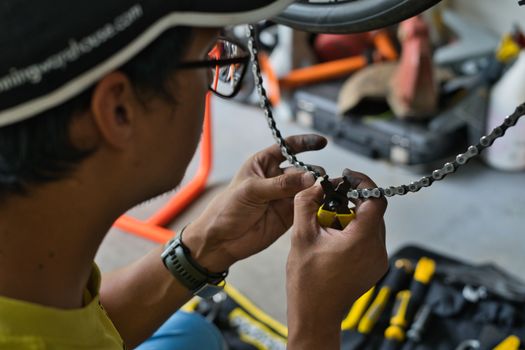
Now? Every brand uses a different waterproof proprietary plug. Some are 2-pin, some 3-pin, some have the pins reversed. I once had a batch of batteries come in where the male and female ends were swapped compared to the previous year’s model. If you’re running a repair shop, this means stocking dozens of connectors that might become obsolete next season. It kills your margins and slows down your turnaround time.
Spec Comparison: Traditional vs. E-Bike Repair Requirements
To understand why ebike repair jobs command higher rates (or should), look at the tooling and skill gap required compared to standard mechanical work.
| Requirement | Traditional Bike Mech | E-Bike Specialist | Real-World Take |
| Primary Tool | Hex keys, torque wrench | Multimeter, Diagnostic Software | You can’t torque wrench a firmware update. |
| Connector Type | Cable housing, brake hoses | Proprietary discharge connectors | Expect to solder your own leads 30% of the time. |
| Troubleshooting | Visual inspection, feel | Error codes, voltage tracing | “It feels sluggish” could be 5 different electrical faults. |
| Parts Availability | Universal (SRAM/Shimano) | Brand locked, long lead times | Wait 3 weeks for a specific controller board. |
Performance & Diagnostics: What the Brands Don’t Tell You
When you enter the world of ebike repair jobs, you quickly realize that manufacturers design for saleability, not serviceability. This is the dirty secret of the industry.
The “Sealed Unit” Problem
Many modern e-bikes are designed as sealed units. If water gets inside the motor casing or the battery tube, you often can’t open it without destroying the housing. I’ve seen perfectly good batteries thrown away because the BMS (Battery Management System) went into a permanent lockout mode, and the brand refused to provide the reset protocol.
Effective ebike diagnostic work often involves bypassing these safety locks legally and safely. For instance, if a battery shows 0V output, it might just be in “sleep mode” due to a low-voltage cutoff. A standard mechanic would condemn the cell. An e-bike specialist knows to apply a wake-up charge to the balance leads. This knowledge gap is where your value lies.
Connector Failure Rates
Let’s get specific about the ebike battery discharge connector. In high-torque applications (cargo bikes, hill climbs), these connectors are the weak link. I’ve tracked failure rates in my shop, and connector arcing accounts for nearly 20% of “dead battery” complaints.
The issue? Cheap plating on the pins. When you draw 20 amps continuously, a poorly plated connector heats up, expands, and loses tension. Then it arcs. Then it melts. If you’re offering ebike repair jobs, you need to be proactive. Don’t just fix it; upgrade it. I started replacing stock connectors with high-current Anderson SB50s on all my cargo bike service plans. It adds $15 to the parts cost but saves me a warranty claim later.
Battery & Range: The Source of Most Repair Tickets
Range anxiety drives sales, but range reality drives repair tickets. When a customer complains their 80km bike only does 40km, they bring it to you. Is the battery bad? Or is the rider?
The 0.5 Rule
Here is the golden rule I tell every apprentice: Advertised Range × 0.5 = Realistic Winter Range. If a brand claims 100km, expect the customer to call you when they get 50km in November. Your job isn’t to fix the bike; it’s to educate the rider. However, sometimes the ebike diagnostic reveals a genuine cell imbalance.
One specific headache is the “phantom drain.” A customer leaves their bike for a week, comes back, and the battery is dead. This is often a parasitic draw from the display or a BMS that won’t sleep. Tracing this requires pulling milliamps on a multimeter while the system is “off.” It’s tedious, but it’s the kind of high-level ebike repair jobs work that separates pros from hobbyists.
Safety and Potting
There’s a growing conversation about battery safety, specifically regarding gel potting. As discussed in this Reddit thread on ElectricBikes, gel potting can improve safety by preventing cell movement and thermal runaway spread. However, for a repair tech, potted batteries are a nightmare. You can’t replace individual cells. If one cell in a potted pack dies, the whole brick is trash. This increases the cost of repairs significantly and pushes customers toward buying new bikes rather than fixing old ones.
Build Quality & Components: Where Things Actually Break
Years of maintenance data reveal consistent failure patterns. It’s rarely the motor itself. It’s the peripherals.
The Chainstay Snap
Rear hub motors put immense torque on the rear dropouts and chainstays. I’ve seen aluminum chainstays crack right at the weld. A recent post on ElectricBikes detailed a repair procedure involving welding and blending the bead. This isn’t bike repair; this is fabrication. If you’re offering ebike repair jobs, do you have a TIG welder? If not, you can’t fix structural failures.
Throttle Abuse
Don’t underestimate how hard people ride these things. One user on r/ebikes shared a lesson learned about pinning the throttle too long on cold days. This spikes the amperage draw, stressing the controller and the ebike battery discharge connector. I’ve blown MOSFETs in controllers just from riders treating the throttle like a light switch. When diagnosing a “no power” issue, always ask: “Do you use the throttle like a trigger or a switch?”
Value & Pricing: Can You Actually Make Money?
This is the million-dollar question for anyone considering ebike repair jobs as a business. The labor rates need to be higher than traditional cycling, but the market resistance is real.
The Diagnostic Fee Barrier
You cannot work for free. A proper ebike diagnostic can take an hour before you even pick up a wrench. You need to charge a bench fee ($75-$100) just to plug in the laptop and read the codes. Many customers balk at this. They think, “Just tell me what’s wrong.” But without the data, you’re guessing.
If you don’t charge for diagnostics, you will lose money on the “ghosts”—the bikes that come in with intermittent issues that vanish when they hit your shop floor. I once spent three hours chasing a cut wire inside a harness that only lost connection when the rider hit a specific bump. If I hadn’t charged a diagnostic rate, that job would have paid me $4/hour.
Parts Markup vs. Availability
The margin is in the parts, but the frustration is in the waiting. With direct-to-consumer brands, getting a replacement display or controller can take 4-6 weeks. During that time, the bike sits on your rack, taking up space. You need a pricing model that accounts for “storage fees” or long-lead-time deposits.
Real User Signals: What the Community Says
The gap between marketing and reality is widest in the user forums. Here is what actual riders and shop owners are saying about the repair landscape.
The “Who Fixes It?” Dilemma
As CitizenCycle points out, the ecosystem is fragmented. If you buy a bike from a brand with no local dealers, you are your own mechanic. This creates a massive opportunity for independent ebike repair jobs, but also a liability risk. Shops are terrified of working on lithium batteries due to fire risk. If you open your doors to these jobs, you need a fire-safe charging bunker, not just a corner of the garage.
The Wait Times
Why does it take so long? Grava Adventure Co. explains that the complexity of the systems and lack of parts are the main culprits. It’s not that mechanics are slow; it’s that waiting for a proprietary ebike battery discharge connector from a warehouse in Shenzhen takes a month. Managing customer expectations is 50% of the job.
The Tire Repair Trap
Even simple things get complicated. A user on r/ebikes complained about a tire repair taking too long. With heavy e-bike tires and hub motors, removing a wheel can be a 45-minute struggle compared to 5 minutes on a road bike. If you charge standard labor rates for e-bike wheel removal, you’re underpricing the effort.
Who Should Buy This Service (And Who Shouldn’t)
If you are considering a career in this field, or looking to hire someone, here is the breakdown.
Who Should Pursue ebike repair jobs:
- Electronics Hobbyists: If you already know how to solder, read schematics, and use a multimeter, you’re ahead of 90% of bike mechanics.
- Specialized Shops: If you can secure an authorized dealer status with a major brand (like Bosch or Specialized), the parts flow and training make it viable.
- Fleet Managers: Working on delivery e-bikes (UberEats, DoorDash fleets) offers consistent volume. These bikes get beaten hard and need constant ebike diagnostic and maintenance.
Who Should Avoid This Path:
- Traditional Purists: If you hate computers and just want to work on steel and aluminum, stay away. The future is firmware.
- Low-Volume Generalists: If you only see one e-bike a week, you won’t keep up with the changing connector standards and error codes. You need volume to stay sharp.
- Risk-Averse Business Owners: The liability of working on high-voltage lithium systems is real. One fire in your shop could bankrupt you. If you aren’t willing to invest in safety infrastructure, don’t start ebike repair jobs.
FAQ
How much does an ebike diagnostic cost?
A professional ebike diagnostic typically costs between $75 and $150. This fee covers the time to connect proprietary software, read error logs, and test electrical continuity. It is separate from the actual repair labor. Always ask if this fee is waived if you proceed with the repair.
Can any bike shop fix my e-bike?
No. Most traditional shops lack the specific tools and software licenses for ebike repair jobs. They may handle mechanical parts like brakes and tires, but for motor or battery issues, you need a specialist. Direct-to-consumer brands often have no local support, leaving you dependent on mail-in repairs.
What is an ebike battery discharge connector?
The ebike battery discharge connector is the plug that connects the battery to the bike’s controller. It carries high current and is a common failure point due to heat and vibration. Many brands use proprietary versions, making replacements difficult to source for independent repair shops.
Are ebike repair jobs profitable?
They can be, but only if you charge higher labor rates than traditional cycling to account for the complexity and liability. Profitability depends on securing a steady stream of fleet clients or becoming an authorized service center for major brands to ensure parts availability.
How long does it take to fix an e-bike?
Mechanical fixes take standard time, but electrical issues can take weeks due to parts shortages. As noted by industry reviewers, waiting for proprietary controllers or connectors from overseas suppliers is the biggest bottleneck in ebike repair jobs.
