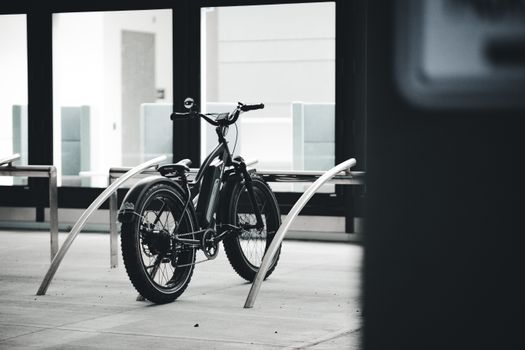
If you’re shopping for a women’s specific or step-through eBike on a budget, the market is confusing. “Women’s” in the budget segment usually means a step-through frame and a marketing photo with a female model — not geometry tuned for typically shorter statures. Here’s what actually separates a usable budget ebike from a frustrating one.
What “Budget Women’s eBike” Actually Means
At the $500-1,000 price point, “women’s specific” typically means:
- A step-through or low standover frame (important for riders under 5’4″)
- Possibly a shorter stem and narrower handlebar (not guaranteed at this price)
- Slightly smaller wheels (26″ instead of 29″) on some models
What you don’t get at this price: frame geometry optimized for shorter torsos, women’s-specific saddle, or adjusted suspension. Those upgrades start appearing around $1,500-2,000.
The Models Worth Considering
| Feature | Lectric XP Lite 2.0 | Ancheer Gladiator | Jetson Bolt Pro | Notes |
|---|---|---|---|---|
| Price | ~$999 | ~$550 | ~$699 | Lectric holds resale value; Jetson is a compact folder |
| Motor | 500W (850W peak) hub | 350W (500W peak) hub | 350W hub | Under 500W struggles with hills + cargo |
| Battery | 48V 9.6Ah (removable) | 36V 10Ah (integrated) | 36V 10.5Ah | 48V systems maintain torque longer on hills |
| Advertised range | 64 km | 60 km | 40 km | Real range is typically 50% of advertised |
| Weight | 48 lb | 60 lb | 35 lb | Jetson is light but feels unstable at speed |
36V vs 48V: The Voltage Gap
Most sub-$600 ebikes run on 36V systems. A 500W motor on 36V pulls more amps than the same motor on 48V to deliver the same power. More amps = more heat = the battery management system cuts power earlier to protect itself.
The practical effect: on a 36V bike, you’ll notice the assist fading sharply once the battery drops below 40%. On a 48V system (like the Lectric XP Lite 2.0), torque is maintained deeper into the discharge cycle. If your commute has any elevation change, a 36V bike will feel underpowered on the return trip.
As r/ElectricBikes: “Best eBike for DoorDash?” discussions show, riders doing daily gig work consistently report 36V batteries degrading faster under heavy load — one user noted 30% range loss after 6 months of daily delivery use.
Folding Ebikes: Convenience Has a Cost
The Jetson Bolt Pro and similar compact folders (16-inch wheels, ~35 lb) are popular for apartment living and multi-modal commuting. But small wheels have inherent trade-offs:
- Small wheels don’t roll over potholes and cracks — they fall into them
- Less gyroscopic stability at speeds above 18 mph
- Typically 20-25% less range than a full-size bike with the same battery (more rolling resistance)
- 250-350W motors on folders struggle above a 5-6% grade
If you genuinely fold your bike 3+ times per week (train + bike commute), the convenience is worth it. If the bike lives unfolded in the corner, you’re paying a range and stability penalty for nothing.
Brakes: The Safety Gap
Every bike under $800 ships with mechanical disc brakes. On a 48-60 lb ebike going 20 mph, mechanical brakes require firm hand strength for effective stopping. After 200-300 km, brake pads bed in and squeaking is common — especially in wet conditions.
Ebike Escape’s teardown of the $498 Walmart Concord found loose wiring and cheap plastic connectors that can vibrate loose over time. Robb’s Homemade Life reported an Ancheer Gladiator owner reaching 8,000 miles with no frame issues — testament to the overbuilt steel frame, if nothing else.
The realistic upgrade path: budget $60-80 for Schwalbe Marathon Plus tires (puncture protection) and plan to upgrade to hydraulic brakes within the first year if you ride daily.
Battery Degradation: What to Expect
Budget ebikes often use lower-grade lithium cells. Real-world degradation patterns from owner forums:
- Year 1: 90-95% of original capacity (normal)
- Year 2: 75-85% — noticeable range reduction
- Year 3: 60-70% — replacement should be considered
Store at 40-80% charge when not in use. Full discharge + full charge cycles are the fastest path to degradation. In cold weather (below 10°C / 50°F), expect 15-20% less range regardless of battery age.
What Owners Actually Say
Positive Signals
From r/ElectricBikes: “Electric Bike Suggestions”: Riders consistently recommend prioritizing step-through frame height and hydraulic brakes when possible. One commenter noted: “Mechanical brakes require too much hand strength for some riders after a few months of wear” — a real concern for riders with arthritis or reduced grip strength.
Kim Java’s Lectric XP review highlighted the stability of the rack system and the approachable step-through design — practical concerns for riders carrying groceries or work gear.
Negative Signals
From r/ElectricBikes: DoorDash thread: “I burned out two $400 bike motors in 3 months doing deliveries. Save up for a 750W rear hub with a torque arm.” Budget motors aren’t designed for constant stop-and-go load at full power.
From r/ebikes: “ebike reviews everything awful”: There’s pervasive skepticism of budget ebike reviews in general. Many are influencer content with short testing periods that don’t capture the 6-month degradation curve.
Who Should Buy What
Buy a budget ebike if:
- Your commute is flat (under 5% grade)
- You’re under 85 kg and not carrying heavy cargo regularly
- You’re mechanically comfortable tightening bolts and adjusting brake cables
- You want to try ebiking before investing $1,500+
Buy a Lectric XP Lite 2.0 specifically if:
- You need a step-through frame under $1,000
- You want torque sensing (available on the 2.0) for more natural power delivery
- You want a bike with an active community for DIY repairs
- Resale value matters to you — Lectric bikes hold ~60% value after a year
Buy an Ancheer Gladiator specifically if:
- Your budget is strictly $500-600
- You don’t need folding capability
- You want the most overbuilt frame in this price range (heavy steel, but durable)
Don’t buy a budget ebike if:
- You have hills over 8% in your commute — a 350W motor will exhaust you and the battery
- You weigh over 100 kg — budget spokes and frames aren’t rated for heavy loads
- You want zero maintenance for 2+ years — cheap bikes need brake adjustments and tire changes
- You need it for commercial delivery work — the motor and battery will be dead within months
FAQ
What’s the best budget ebike for women under $500?
The Ancheer Gladiator at ~$550 is the most durable option in this range due to its heavy steel step-through frame. It’s not comfortable or fast, but it will last. The Walmart Concord (~$400-500) works as a very short-range flat-commuter, but expect to adjust brakes and possibly replace the battery within the first year.
Are Jetson folding ebikes good for commuting?
Jetson Bolt Pro and similar 16-inch wheel folders work for flat, short (under 5 mile) commutes with multi-modal transport (train + bike). The small wheels are less stable at speed and struggle on rough roads. Skip them if your route includes hills over 5% grade.
What’s a realistic range for a budget ebike?
Budget ebikes typically deliver 50% of their advertised range in real mixed riding. A “60 km” battery will give you 25-30 km with some hills, throttle use, and stop-and-go traffic. In cold weather below 10°C, subtract another 15-20%.
Are Walmart ebikes worth it?
The Ozark Trail and Concord models are genuinely functional at their price point — but they ship with mechanical disc brakes that need adjusting out of the box, generic connectors that can work loose, and no service network. Ebike Escape’s teardown found loose wiring and cheap plastic components. Worth it if you can do your own repairs; frustrating if you need dealer support.
Can I use a budget ebike for DoorDash or delivery work?
Not recommended. Budget hub motors and batteries aren’t designed for the constant load cycles of stop-and-go delivery riding. r/ElectricBikes delivery workers report motor burnout within 3-6 months on sub-$500 bikes. A 750W bike with a torque arm (like the Lectric XP Lite 2.0) is the minimum for gig work.
