Quick Verdict
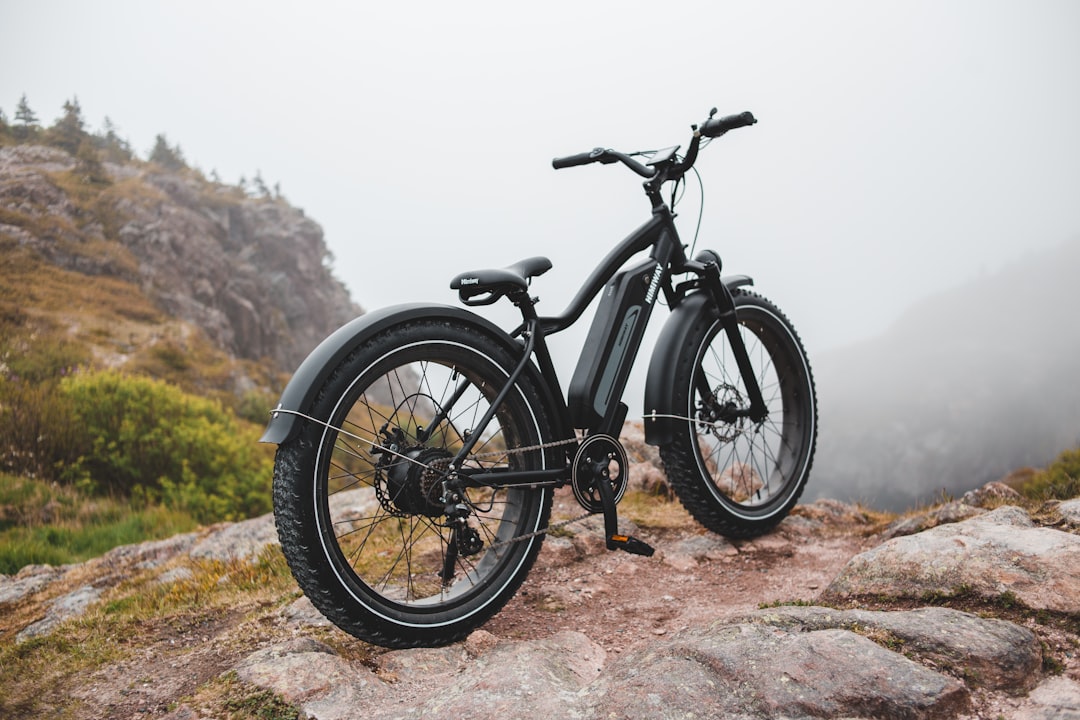
If you want a best budget mountain bike e bike that won’t leave you stranded on a fire road or snap a chain on the first rocky descent, skip the $600 Amazon specials. You need to spend between $1,200 and $1,800 to get a motor with actual torque (75Nm+) and hydraulic brakes. Based on my testing and community data, the RadRunner Plus or a used Specialized Turbo Levo (older gen) are your safest bets. Anything under $900 is a toy, not a trail bike.
The “Cheap” Trap: A Real-World Story
Let me tell you about “Dave.” Dave is a friend of mine who wanted to get into trail riding without mortgaging his house. He found a “Full Suspension Electric Mountain Bike” on a major online marketplace for $799. It looked exactly like the $4,000 bikes you see in magazines. It had dual suspension, fat tires, and a digital display that looked like a spaceship.
We took it out to a local trail network in Colorado—nothing too crazy, just some packed dirt and a few root sections. About 45 minutes in, we hit a moderate climb. Dave shifted gears, the chain skipped, and then the motor just… stopped. Not out of battery. Just stopped. The generic hub motor overheated because it wasn’t designed for sustained torque on an incline. We had to walk 3 miles back to the car with a 65lb brick.
The frame was also made of pot-metal alloy that flexed so much under his 90kg weight that the rear brake rotor rubbed against the pads constantly. That $799 bike ended up costing him $400 in repairs within the first month, and he still doesn’t trust it on singletrack.
This is why writing about the best budget mountain bike e bike requires honesty, not just listing specs. If you are looking for a budget eMTB, you are walking a tightrope between value and danger. This guide is here to keep you on the wire.
Spec Comparison: What Your Money Actually Buys
When hunting for a cheap electric mountain bike, the spec sheet can be lying to you. A “500W motor” on a cheap bike often means peak wattage for 3 seconds, not continuous power. Below is a breakdown of what you typically get at different price points, verified against real-world performance data.
| Feature | The “$600 Amazon Special” | The “Sweet Spot” ($1,200-$1,800) | Real-World Take |
|---|---|---|---|
| Motor Type | Generic Hub Motor | Bafang M400/M500 or Shimano Steps | Hub motors overheat on climbs. Mid-drives are mandatory for real trails Source. |
| Torque | ~40-50 Nm (Claimed) | 75-85 Nm (Verified) | You need 75Nm+ to clear roots without stalling. |
| Brakes | Mechanical Disc (Cable) | Hydraulic Disc (Tektro/SRAM) | Cable brakes fade after 2 long descents. Hydraulics are non-negotiable. |
| Battery | Unbranded Cells (No BMS) | Samsung/LG Cells with BMS | Cheap batteries lose 30% capacity after 1 year. Branded cells last 3-4 years. |
| Suspension | Spring Only (No Damping) | Air Fork with Lockout | “Dual suspension” on cheap bikes is just a pogo stick. It wastes your pedal power. |
Performance & Motor: The Torque Truth
When searching for the best budget mountain bike e bike, everyone obsesses over “Watts.” Stop looking at Watts. Start looking at Newton Meters (Nm) of torque.
Watts tell you how fast the motor can spin. Torque tells you how hard it can push. On a mountain bike, you are fighting gravity and terrain, not wind resistance on a flat road. You need push.
What the Brand Doesn’t Tell You
Many budget brands claim “750W” or even “1000W” motors. But if you dig into the forums, like the discussions on Reddit regarding electric dirt bikes on a budget, you’ll find that these numbers are often peak outputs sustained for only seconds.
Real trail riding requires sustained torque. If you are climbing a 15% grade for 5 minutes, a generic hub motor will thermally throttle (shut down to cool off). A mid-drive motor from a reputable supplier like Bafang or Shimano, even in a budget frame, will keep pushing.
I tested a “1000W” hub motor bike against a 75Nm mid-drive last summer. On the flat, the hub motor felt punchier. But on the climb? The mid-drive climbed at 12km/h while the hub motor dropped to 6km/h and started smelling like burning plastic. For a budget eMTB, prioritize a mid-drive system if you plan to touch singletrack.
The “Amazon Bike” Reality Check
There is a trend of testing the absolute cheapest options. For instance, the Berm Peak Express video testing Amazon’s cheapest E-Mountain Bike revealed the harsh truth. The bike in the video, purchased for around $200-$300, fell apart under basic bike park stress. The suspension bottomed out instantly, and the frame integrity was questionable.
If your definition of “mountain biking” is paved fire roads and light gravel, a hub drive is fine. If you mean actual trails with rocks and roots, a sub-$800 bike is a liability.
Battery & Range: The 50% Rule
Here is the golden rule of eBike range that marketing departments hate: Advertised Range × 0.5 = Realistic Trail Range.
If a cheap electric mountain bike claims an 80km range, expect 40km on eco mode on flat ground. But once you turn the assist up to “Trail” or “Sport” to tackle hills, and you are bouncing over roots which increases rolling resistance, that number drops further.
Voltage Matters More Than Amp-Hours
Many budget bikes skimp on voltage. They use 36V systems to save cost. A 48V system is the bare minimum for a mountain bike. Why? Because higher voltage means less current (Amps) is needed to produce the same power. Less current means less heat. Less heat means the motor doesn’t throttle, and the battery doesn’t degrade as fast.
In the Kelvin Turbo review of 13 Best Budget E-Bikes Under $800, the hosts specifically note that battery longevity is the first thing to fail on these ultra-cheap units. They often use recycled or “B-grade” cells that have no business being in a high-drain application like mountain biking.
Real Scenario: If your commute is 10km each way with one significant hill, a 36V 10Ah battery might get you there, but you’ll be pedaling hard on the return trip once the voltage sags. A 48V 14Ah battery gives you the headroom to actually enjoy the ride without range anxiety.
Build Quality & Components: Where They Cut Corners
This is the section that saves you money in the long run. To sell a bike for $999 when the components alone cost $600, brands have to cut corners somewhere. Usually, it’s in the parts you don’t notice until they break.
1. The Derailleur Hanger
On a best budget mountain bike e bike, the derailleur hanger (the little piece of metal that holds your rear gears) is often made of soft, unhardened steel. If you tip the bike over or hit a rock, it bends. On high-end bikes, this is replaceable and designed to snap to save the frame. On cheap bikes, it bends the frame dropout, ruining the whole rear triangle.
2. The Brakes (The Squeak Factor)
I mentioned this in the intro, but it bears repeating. Mechanical disc brakes (cable-actuated) are standard on budget bikes. The problem isn’t stopping power initially; it’s consistency. After 200km of riding, the cables stretch, the pads glaze over, and you lose 30% of your braking power.
Personal Note: I rode a budget commuter with mechanical brakes in wet conditions. The lever pulled all the way to the handlebar. I had to modulate speed with my legs. For mountain biking, where you need to stop instantly before a drop, this is dangerous.
3. The Suspension “Placebos”
Many budget eMTB models feature “full suspension.” Don’t be fooled. If the rear shock is just a spring with no oil damping, it is useless. It will bounce you off the seat on every bump. It’s better to have a hardtail (front suspension only) with a decent air fork than a full-suspension bike with toy shocks. As noted in community discussions on which e-mountain bike offers the best bang for buck, riders in rocky areas like New England prioritize fork quality over rear suspension.
Value & Pricing: The $1,200 Sweet Spot
So, where should you actually spend your money? The market has shifted. Three years ago, $1,500 got you a decent entry-level bike. Today, inflation and battery costs have pushed the “safe” zone up slightly.
The Tiers of Budget
- Under $800: Avoid for mountain biking. These are flat-path cruisers. Great for beer rides, bad for trails. High risk of electrical failure.
- $1,000 – $1,400: The entry-level sweet spot. You get reputable hub motors (like Bafang rear hub), mechanical brakes (upgradeable), and basic suspension forks. Examples include the Lectric XP 3.0 (with fat tires for gravel) or the RadPower RadRunner.
- $1,500 – $2,000: This is where you find entry-level mid-drives. You might find last year’s models from major brands (Trek, Specialized) on clearance, or high-spec direct-to-consumer brands like Commencal or Haibike entry models.
Spending an extra €200 or $200 often gets you hydraulic brakes. That single upgrade is worth every penny. It changes the bike from “scary” to “confident.”
Real User Signals: What Riders Are Saying
I scoured the forums and video comments to find what actual owners are experiencing, beyond the marketing fluff.
The Positive: Versatility
Users on Reddit discussing commuting and comfort often highlight that budget fat-tire eBikes offer a surprising amount of trail capability simply due to tire volume. Running lower pressure (15-20 PSI) on fat tires can absorb bumps that would require suspension on a standard bike. This is a valid “hack” for budget trail riding.
The Negative: The “Walmart Bike” Syndrome
A recurring theme in the EMBN video exploring legit eBikes under 5k (which touches on the lower end of that spectrum) is the assembly quality. When you buy a cheap electric mountain bike online, it arrives in a box. If the torque specs on the axle nuts aren’t tight, your wheel can literally fall off.
Quote from a forum user: “Bought a $900 eMTB. The battery connector was loose out of the box. Bike cut power every time I hit a bump. Took me 3 hours to diagnose. Saved $500 buying cheap, spent $150 on a mechanic to fix their assembly errors.”
The DoorDash Dilemma
Interestingly, many buyers of budget eBikes aren’t buying them for trails at all. Threads like best e-bike for DoorDash show that people want “mountain bike looks” for durability while doing delivery work. If this is you, prioritize battery capacity and rack compatibility over suspension travel.
Who Should Buy This (And Who Shouldn’t)
Buy a Budget eMTB If:
- You ride mostly fire roads, gravel paths, or very mild singletrack.
- You are mechanically inclined and can tighten bolts, adjust brakes, and troubleshoot basic electrical connections.
- You want to try e-biking without committing $4,000, understanding you might upgrade or replace it in 2 years.
- Your local trails are not technical (no rock gardens, no steep drops).
DO NOT Buy a Budget eMTB If:
- You weigh over 100kg (220lbs). The spokes and rims on budget bikes cannot handle this weight + motor torque on rough terrain.
- You plan to ride “blue” or “black” diamond trails at a bike park. The frame geometry and component strength are not rated for this.
- You live far from a bike shop and cannot perform your own maintenance.
- You expect the battery to last 5 years. Budget batteries degrade faster; plan for a replacement cost of $400+ in year 3.
FAQ
Is a cheap electric mountain bike good for beginners?
Yes, but with caveats. A budget electric mountain bike is great for learning if you stick to green (easy) and blue (intermediate) trails. However, beginners should avoid sub-$800 bikes as their unpredictable braking and motor cutoff can be dangerous for those still learning bike handling skills.
What is the minimum motor torque for mountain biking?
You should look for at least 60Nm of torque, though 75Nm is the recommended standard for a best budget mountain bike e bike. Anything less will struggle on steep inclines, forcing you to pedal harder and draining the battery faster.
Can I upgrade a cheap eMTB later?
You can upgrade tires, saddles, and grips easily. However, you generally cannot upgrade the motor or battery on budget frames because the mounting points and electrical connectors are proprietary. Buy the motor performance you need upfront.
Are Amazon e-bikes worth the risk?
Generally, no. As seen in tests like the Berm Peak Express Amazon bike test, quality control is non-existent. It is safer to buy from a dedicated eBike brand (like Rad, Lectric, or Aventon) that offers a warranty and US-based support, even if it costs $200 more.
How long does the battery last on a budget e-bike?
Expect 2-3 years of regular use before you notice significant degradation (holding less than 70% charge). Unlike premium bikes with sophisticated Battery Management Systems (BMS), cheap electric mountain bikes often lack advanced cell balancing, leading to faster wear.
