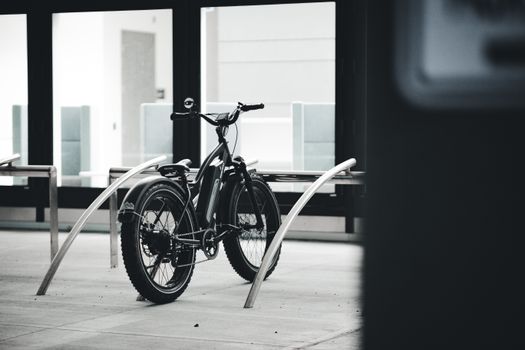
Europe’s budget eBike market has different constraints than the US. EU regulations limit motors to 250W continuous / 25 km/h electric assist, tariffs inflate prices, and storage in dense European cities (4th-floor walk-ups, narrow stairwells) changes what “practical” means. Here’s what actually matters for EU buyers.
EU-Specific Realities
The 250W / 25 km/h Limit
EU law (EN 15194) caps legal pedelec motors at 250W continuous power with assistance cut off at 25 km/h. This is non-negotiable for street-legal bikes. “Speed pedelecs” (45 km/h) exist but require registration, insurance, and a license in most EU countries.
The practical effect: EU-legal ebikes rely more on torque and gearing than raw wattage. A quality 250W mid-drive with 85 Nm torque climbs better than a cheap 500W hub motor that overheats on sustained grades. When comparing “budget” EU ebikes, look for torque sensor systems (not just cadence sensors) — they make the 250W limit feel much more responsive.
Pricing Reality
Per r/ebikes: “Budget ebikes are not $500”, the community consensus is that €1,200-1,600 is the actual entry point for a reliable ebike in Europe. Anything under €1,000 typically compromises on battery safety certification, motor durability, or both.
Models Worth Considering in the EU Market
| Feature | Lectric XP 4.0 | RadRunner 2 | Ride1Up Core-5 |
|---|---|---|---|
| Motor | 500W peak hub (torque sensor) | 750W peak hub (cadence sensor) | 500W peak hub |
| Battery | 48V 14Ah (removable, ~672Wh) | 48V 14Ah (removable, ~672Wh) | 48V 10.4Ah (removable, ~499Wh) |
| Advertised range | 80 km | 80 km | 65 km |
| Real-world range | ~35-50 km (mixed) | ~35-45 km (mixed) | ~25-35 km (mixed) |
| Weight | ~33 kg (73 lb) | ~38 kg (84 lb) | ~24 kg (53 lb) |
| Step-through | Yes (available) | Yes (standard) | No (high-step) |
| EU warehouse | Yes | Yes | US only (import) |
What “Peak Power” Actually Means
EU-legal budget ebikes are typically rated at 250W continuous but marketed with “500W peak” or “1000W peak” numbers. Peak power is what the motor can deliver for ~30 seconds before the controller throttles back to prevent overheating. Continuous power is what you get on a sustained climb.
Per Electric Bike Report’s coverage of the Lectric XP 4.0, the torque sensor is the real differentiator — it measures how hard you’re pedaling and adjusts assistance proportionally, which feels far more natural than a cadence sensor that just checks if the pedals are moving.
Sparky’s “Great E-Bike Under $2000” video emphasizes that suspension on budget bikes is often a gimmick. Proper tire pressure does more for comfort than a cheap spring fork that bobs when you pedal. Lock out the suspension if you’re primarily on pavement.
Etronnix notes that many budget “dual battery” setups are just two cheap cells wired in parallel — if one fails, it can drain the other. Stick to single, quality batteries unless you genuinely need 100+ km range.
Range in European Conditions
The “50% rule” applies in Europe too, but with an additional winter penalty:
- Advertised 80 km → realistic summer range: 35-45 km (mixed riding, some hills)
- Winter (5°C and below): subtract another 15-20% → 28-38 km
- With frequent throttle use: subtract another 10-15%
If your commute is 25 km one way, a single-charge budget ebike won’t get you there and back — even in summer. You’ll need to charge at work or carry a second battery.
Build Quality: Where €200 Makes a Difference
The jump from €1,100 to €1,300 typically buys three things that matter:
- Torque sensor — natural power delivery instead of “being kicked in the back” on every pedal stroke
- Hydraulic brakes — self-adjusting, 40% more stopping power in wet conditions vs. mechanical discs
- EU warehouse + warranty support — no customs surprises, returns that actually work
Dropping from €1,300 to €1,100 usually means losing all three. You get a bike that accelerates jerkily, brakes that need cable adjustment every 2 weeks, and support that requires emailing a overseas warehouse.
Storage: The European Fourth-Floor Problem
From r/ebikes: apartment living thread: One user noted: “I bought a cheap fat tire bike. It fits in the elevator, but the width makes it impossible to store in my hallway without blocking the fire exit.” Fat tires (4+ inches) look cool but are impractical in narrow European stairwells and elevators.
For riders in walk-up apartments:
- Removable battery is essential — you don’t want to carry 35+ kg up stairs
- Step-through frames are easier to maneuver indoors
- Standard 2.3-2.6″ tires are more practical than 4″+ fat tires for city storage
From r/ebikes: lightweight search: Finding a sub-15kg ebike for €1,200 is nearly impossible in the budget segment. Most options are 24-38 kg. If weight is your primary concern, you need to spend significantly more for carbon or high-end aluminum frames.
Battery Quality and Longevity
Budget ebikes under €1,000 often use Grade B lithium cells with higher internal resistance. Per Reddit owner reports cited in the “budget ebikes are not $500” thread, sub-€800 batteries often fail within 18 months. The €1,200+ tier typically uses cells that last 3-4 years (500-800 charge cycles before 80% capacity).
Cold European winters compound this. Store the battery indoors at 40-80% charge when not riding. Never leave it on the bike outdoors overnight in freezing temperatures.
Who Should Buy What
Buy a €1,200-1,600 Lectric or Rad if:
- You need a daily commuter that will survive 2+ years
- You have EU warranty support and warehouse returns
- You want a step-through frame (RadRunner) or folding option (Lectric XP)
- Your commute is 15-35 km round trip
Don’t buy a sub-€1,000 budget ebike if:
- You need it as your only form of transportation — reliability matters more than savings
- You live above the 2nd floor without an elevator
- Your route includes sustained hills over 6% — the 250W EU motor limit + cheap hub motor = very slow climbing
- You can’t do basic maintenance yourself — budget ebikes need cable adjustments and chain maintenance
FAQ
What’s a realistic price for a reliable ebike in Europe?
€1,200-1,600 for a bike that will last more than a year with daily use. Under €1,000, you’re typically compromising on battery certification (look for UL or EN 15194 compliance) and motor quality. r/ebikes consensus: “Unless you’re outside the USA, don’t expect to pay less than $1,300 for a budget ebike.”
What makes a women’s specific budget ebike different?
Primarily frame geometry: step-through frames, lower standover height, and sometimes narrower handlebars for shorter torsos. The motor and battery are usually identical to unisex models. Brands like Rad and Lectric build step-through options into their base pricing, which is rare under €1,000.
Are budget ebikes legal in the EU?
Look for EN 15194 certification. This is the European safety standard for electric bicycles. Budget bikes from Amazon or AliExpress often lack this certification, which means they’re not insured and technically not legal on public roads.
Can I upgrade the battery later?
Yes — if the bike uses a standard 48V battery system. Brands like Lectric and Rad sell spare batteries. Proprietary battery shapes (common on sub-€800 bikes) can’t be upgraded because replacement packs don’t exist after the brand goes under or discontinues the model.
Are fat tire ebikes practical for European cities?
Fat tires (4″+) add comfort on potholes but create problems in dense cities: they don’t fit in standard bike racks, they’re too wide for narrow stairwells and elevators, and the rolling resistance reduces range by 15-20%. For paved European city commuting, 2.3-2.6″ tires are more practical.
